





Hypnosis Safe Option To Beat Addiction
A Whangarei hypnotherapist wants to see more clients using hypnotherapy to beat drug addiction.
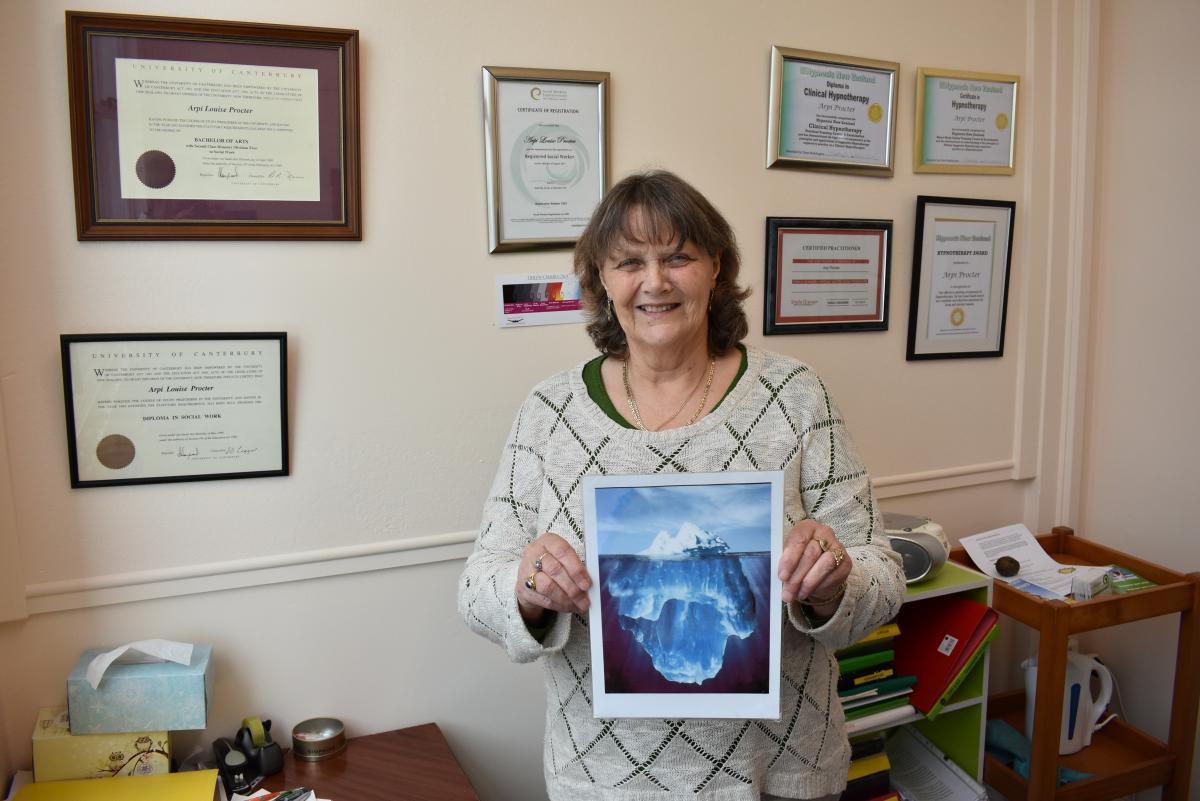
Arpi Procter, a registered social worker who was for eight years an alcohol and drug counsellor with Northland District Health Board, regularly treats people with addictions and says she would like to see more people utilising hypnotherapy as an organic, safe and holistic way to address addiction – especially considering other treatment options can require medication, inpatient admission to a detox unit, and time away from work.
Arpi has been inundated with clients seeking to quit smoking following the January 1 rise in tobacco tax, but would like to see more people breaking addiction to other drugs via hypnotherapy.
“If people come to me, they don’t have to worry about going away to rehab,” Arpi says. “Women don’t have to worry about losing custody of their kids. A person’s work is not impacted. They keep their lives while they are in hypnotherapy treatment rather than going away and being put in a system.”
“Hypnotherapy enables you to remain at home, living your everyday life while you make changes.”
Beating Addiction Without Drugs or Detox
Under Te Ara Oranga, Northland DHB refers most clients experiencing drug addiction to non-residential treatment programmes delivered by providers such as Salvation Army, Rubicon, Odyssey House and iwi health providers. Hypnotherapy is an ideal option for mostly well-functioning people whose problematic behaviour is due more to addiction than to mental unwellness. Medical journals including The Lancet have published studies linking hypnotherapy with success around methadone withdrawal, irritable bowel syndrome treatment and ulceration treatment.
Hypnosis is a blend of physical relaxation and extreme mental alertness. When a person undergoes therapeutic dialogue during hypnotic trance, the therapist is able to address problematic behaviour by talking to a person’s subconscious rather than conscious mind. Arpi likens the subconscious to the ‘base of the iceberg’ rather than the tip and estimates 96 percent of clients she sees do not relapse into addiction after a recommended 4-5 sessions across five weeks.
Arpi said her approach is focused more on where the client wants to take his or her life in the future than on regression. “I get a person to reflect on where they’re going; I eliminate cravings. That’s the big part of it – if you don’t eliminate cravings, people are going to be back into using.”
While methamphetamine is the most difficult drug to break addiction to, Arpi says she has seen many patients in Kawakawa and Kaikohe respond well to hypnotherapy for alcohol and cannabis cessation. “While social work is about social change, hypnotherapy is about individual change.”
“One successful patient I’ve worked with was a 40 year old male out of jail and rehab who was sent to me by probation services. He was difficult to do an assessment with. He demanded to know what I could do with him that no one else had done. I suggested hypnotherapy and he just went for it. Not only did the addiction change but the anger and hostility disappeared.”
“I remember another young man who was in the probation system with addictions to cannabis and alcohol. After hypnotherapy he was very excited about going out to find a job. For the first time, he was motivated about the future.”

Poll: If we want to reduce speeding, what do you think actually changes driver behaviour? 🛻🚨🚓
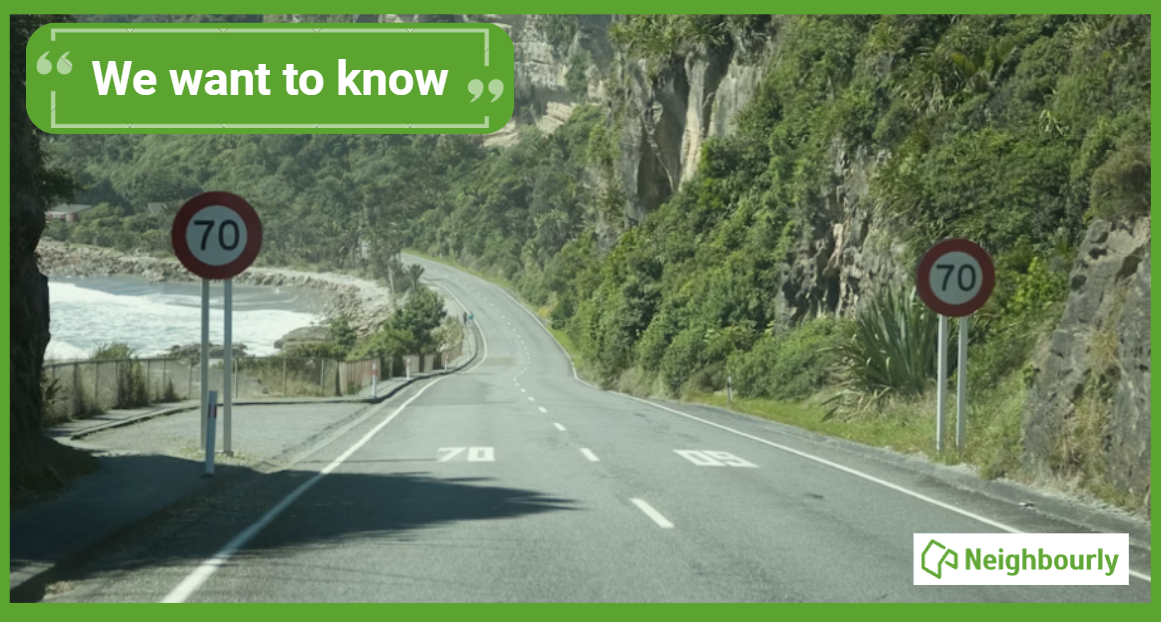
In the Post's article on speeding penalties, the question is asked whether speeding fines are truly about road safety, or are they just a way to boost revenue for the Crown?
What do you think? Should speeding motorists receive speeding fines or demerit points?
-
37.2% The sting of a fine (Money talks!)
-
62.8% The threat of demerit points (Nobody wants to lose their license!)

Some Choice News!
DOC is rolling out a new tool to help figure out what to tackle first when it comes to protecting our threatened species and the things putting them at risk.
Why does this matter? As Nikki Macdonald from The Post points out, we’re a country with around 4,400 threatened species. With limited time and funding, conservation has always meant making tough calls about what gets attention first.
For the first time, DOC has put real numbers around what it would take to do everything needed to properly safeguard our unique natural environment. The new BioInvest tool shows the scale of the challenge: 310,177 actions across 28,007 sites.
Now that we can see the full picture, it brings the big question into focus: how much do we, as Kiwis, truly value protecting nature — and what are we prepared to invest to make it happen?
We hope this brings a smile!


Get up to $30,000 back* with your new home
Sign up to an independent apartment or townhouse at a participating Ryman village by 31 March 2026 and receive a $30,000 credit on settlement or sign up to a serviced apartment and receive a $10,000 credit on settlement*.
Imagine a new smart TV, your next getaway or furniture for your new home. With more money staying in your pocket, it’s yours to spend!
Discover the lifestyle that awaits.
*Participating villages only, Terms and conditions apply.

 Loading…