




Is Something Good because we say it is good, or is something good independent of what we think about it?
I’m starting a new thread here because an issue arose that has not been explored in relation to David Arlidge’s recent discussion: Is marriage dead as a social institution? Or is there an elephant in the room?
The reality that, as David pointed out, this institution has held such a great influence on human culture over such a vast period of history and over such diverse cultures cannot reasonably be denied. What also cannot reasonably be denied is the reality that at least in our culture, and perhaps that of wider Western civilization this institution is rapidly losing favour as a social more.
David’s view, (as is mine, though for different reasons) is that this was not a good thing.
And I think it might be fair to say that, just as the first black President of the United States was ushered in as a defining moment of racial equality in American politics, so too in New Zealand we have reached a pivotal moment in our own political history.
While we may be basking in the sunshine of sexual equality having our third female Prime Minister, we no doubt have moved firmly still further into liberal ideology having our first Prime Minister who is both unmarried and expecting her first child. I think that David’s thread amply demonstrated that people observed this as a good thing. That this was a sign of a moral “coming of age” when a political leader could accomplish the pinnacle of political aspirations, and remain unmarried, and all without censure or misgivings by any group with political clout. Those who responded to the thread seem to reflect the views of the wider population at least according to media portrayal.
What hasn’t changed is that we still universally describe these changes in terms of being “good” or “better” or “worse” or “bad”. In other words we still recognize these changes as questions of moral significance.
The question of how we arrive at whether something is good or bad is the question I would like to explore in this thread. I hope this strikes you as an important question. If the question of marriage assumes such importance, then surely a question of our basis for all moral questions must assume value an order of magnitude greater again? If it is important to give a hungry man a fish, who tomorrow will be hungry again, is it not so much more important to teach him how to fish! I think sometimes our reaction to this is: “Well to marry or not to marry is immediately available to my experience, the question of our basis for morality is so esoteric, so beyond what I’m used to thinking about, I don’t think I can participate, I’m not qualified nor interested.” Just remember that the law chooses a jury of ordinary people who have a sense of civic duty to decide the fate of alleged murderers who stand to lose their freedom for a very long time. Well I hope this topic will be of interest, and not at all out of reach.
To that end, I want to comment on some things which were missed in the previous discussion, so first some housekeeping:

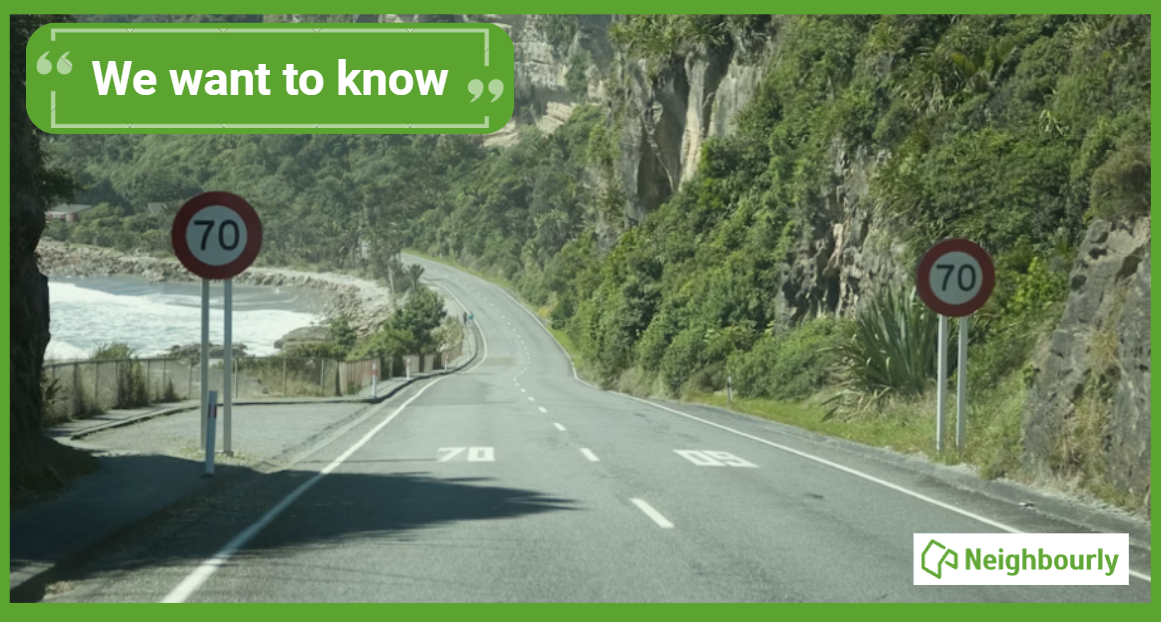
Poll: If we want to reduce speeding, what do you think actually changes driver behaviour? 🛻🚨🚓
In the Post's article on speeding penalties, the question is asked whether speeding fines are truly about road safety, or are they just a way to boost revenue for the Crown?
What do you think? Should speeding motorists receive speeding fines or demerit points?
-
37.5% The sting of a fine (Money talks!)
-
62.5% The threat of demerit points (Nobody wants to lose their license!)

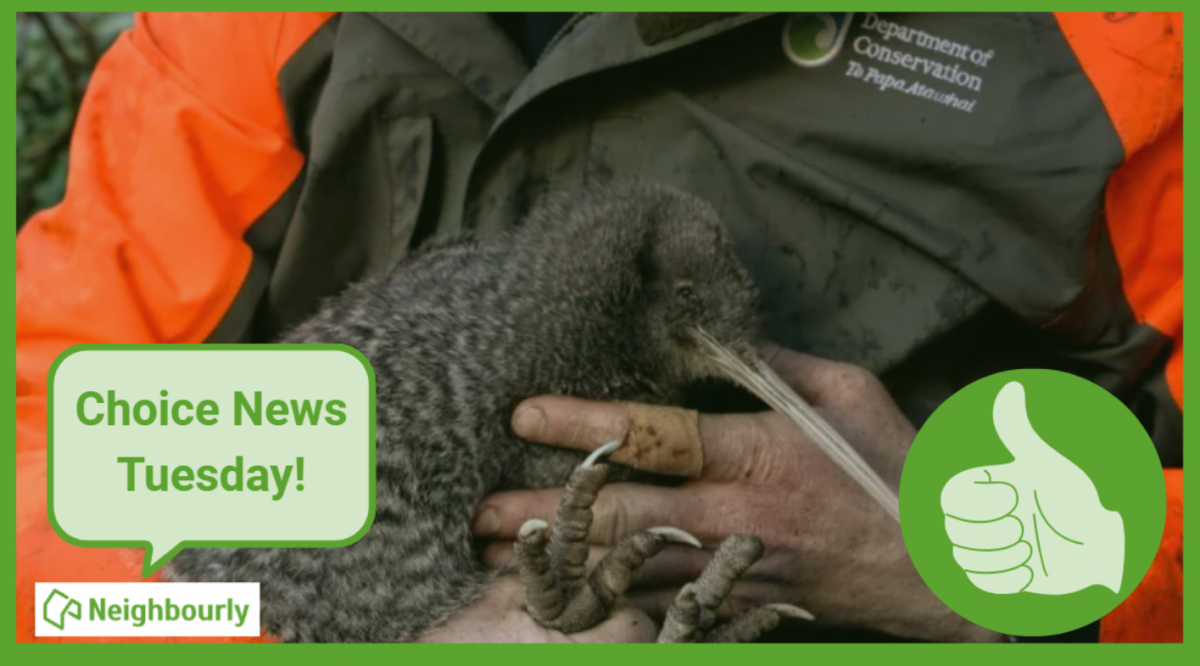
Some Choice News!
DOC is rolling out a new tool to help figure out what to tackle first when it comes to protecting our threatened species and the things putting them at risk.
Why does this matter? As Nikki Macdonald from The Post points out, we’re a country with around 4,400 threatened species. With limited time and funding, conservation has always meant making tough calls about what gets attention first.
For the first time, DOC has put real numbers around what it would take to do everything needed to properly safeguard our unique natural environment. The new BioInvest tool shows the scale of the challenge: 310,177 actions across 28,007 sites.
Now that we can see the full picture, it brings the big question into focus: how much do we, as Kiwis, truly value protecting nature — and what are we prepared to invest to make it happen?
We hope this brings a smile!

🎉 Riddle me this, legends! 🎉
He/She who makes it, sells it.
He/She who buys it, doesn't use it.
The user doesn't know they are using it.
What is it?
(Shezz from Ngāruawāhia kindly provided this head-scratcher ... thanks, Shezz!)
Do you think you know the answer? Simply 'Like' this post if you know the answer and the big reveal will be posted in the comments at 2pm on the day!
Want to stop seeing these in your newsfeed?
Head here and hover on the Following button on the top right of the page (and it will show Unfollow) and then click it. If it is giving you the option to Follow, then you've successfully unfollowed the Riddles page.
 Loading…