






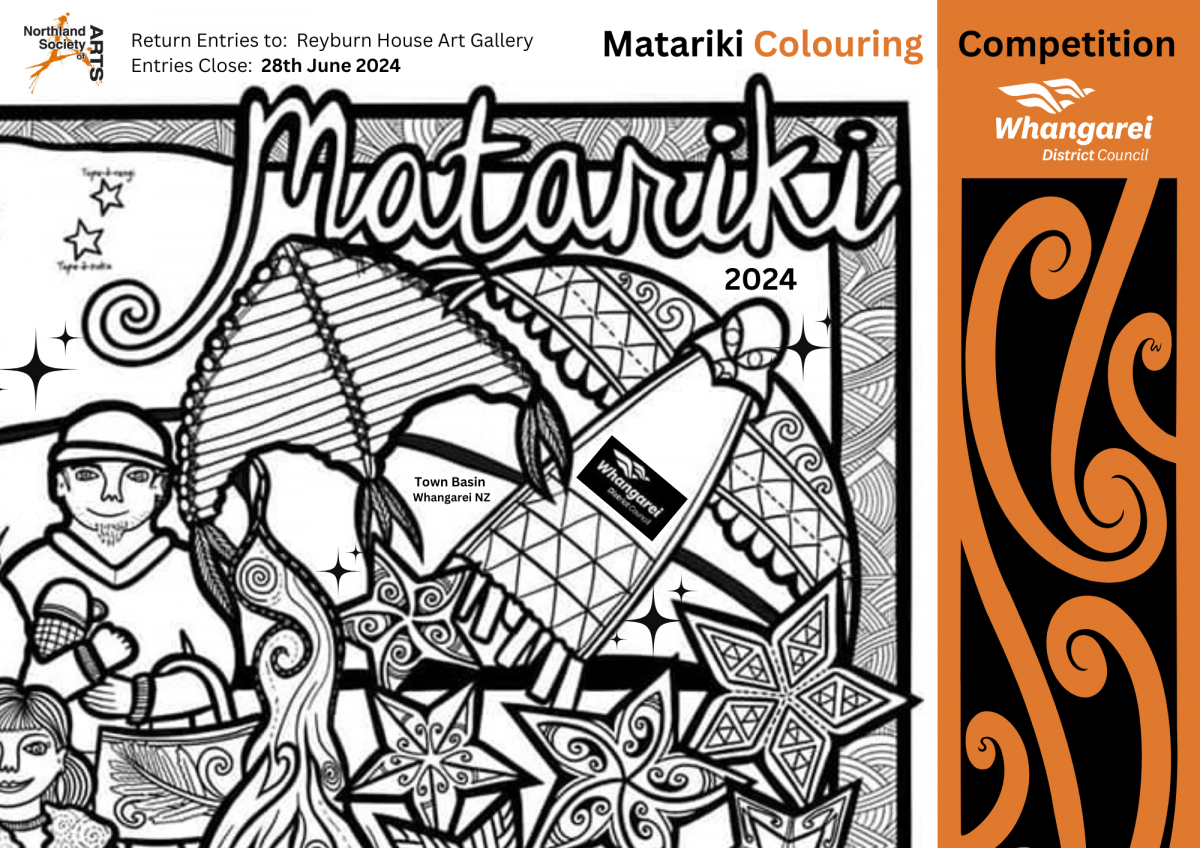
MATARIKI COLOURING COMPETITION for Reyburn House closes 28 June 2024
Tena koutou,
Thank you to everyone that joined and participated for our 2024 Matariki Community Events at Reyburn House. Thank you to all our volunteers, Northland Society of Arts (NSA) supporters, Reyburn House staff, Matariki Artists, sponsors and community. Also to our hardworking Reyburn House Manager Rebecca Cunliffe a big thank you.
This is a friendly reminder that the Matariki Colouring Competition closes Friday 28th June 2024.
Link: www.reyburnhouse.co.nz...
For those of you who would like to know more or do not know a great deal about Matariki:
The Matariki celebration is essentially based around 3 major principles,
1: Remembrance – Honouring those we have lost since the last rising of Matariki
2: Celebrating the present – Gathering together to give thanks for what we have
3: Looking to the future – Looking forward to the promise of a New Year
Remembrance: The re-appearance of Matariki in the morning sky during mid-winter coincided with a traditional ceremony called ‘whāngai i te hautapu.’ During this ceremony food was cooked and offered to the different stars of Matariki while karakia (incantations) were conducted. The first part of this ceremony was dedicated to the dead of the year, honouring those who had died since the last rising of Matariki. The names of the dead were called out during the ceremony and people would weep for their loved ones. One traditional belief states that Matariki carries the dead of the year across the night sky, and upon the return of Matariki in the winter sky, the star cluster is released from its burden. When the names of the deceased were called out, Māori believed the spirits of the dead became stars in the sky. This process also helped to release the emotional burdens and cultural responsibilities Māori had with the dead.
Celebrating the present: Following on from the formal ‘whāngai i te hautapu’ ceremony, Matariki was a period of celebration and festivities. Communities and whānau would gather together to give thanks for all the blessings of the past year, and to reconnect with each other. Mid-winter was a time of rest and relaxation for Māori. The food storage pits and houses were full, and the busy harvest season was over. Food and feasting was a central element in Matariki, and people came together to share the fruits of the harvest. Other forms of celebration included music, dance, art and spending time with one another.
Looking to the future: Matariki was a time where communities and whānau would come together to plan for the impending season. They discussed at length their hopes and desires, concerns and fears and they decided upon how they would approach various activities in the New Year. It was a time of learning, sharing, discussion and decision making. One of the key points of discussion during Matariki was the environment, especially the health of the environment. Māori understood that their lives depended on them maintaining a strong connection to the physical world and caring for nature.
Values
There are a number of key values that were associated with Matariki and the Māori New Year celebrations.
There values are;
Aroha – Love and respect for one another
Whakamaumaharatanga – Remembrance
Kotahitanga – Unity
Manaakitanga – Caring
Tohatoha – Sharing
Mana Taiao – Environmental awareness
Kaihaukai – Feasting
Wānanga – Discussion
Noho tahi – Coming together
Ngākau Atawhai – Kindness
Whakanui – Celebrations
Tuakiritanga – Identity

Poll: 🤖 What skills do you think give a CV the ultimate edge in a robot-filled workplace?
The Reserve Bank has shared some pretty blunt advice: there’s no such thing as a “safe” job anymore 🛟😑
Robots are stepping into repetitive roles in factories, plants and warehouses. AI is taking care of the admin tasks that once filled many mid-level office jobs.
We want to know: As the world evolves, what skills do you think give a CV the ultimate edge in a robot-filled workplace?
Want to read more? The Press has you covered!

-
52.7% Human-centred experience and communication
-
14.6% Critical thinking
-
30% Resilience and adaptability
-
2.7% Other - I will share below!

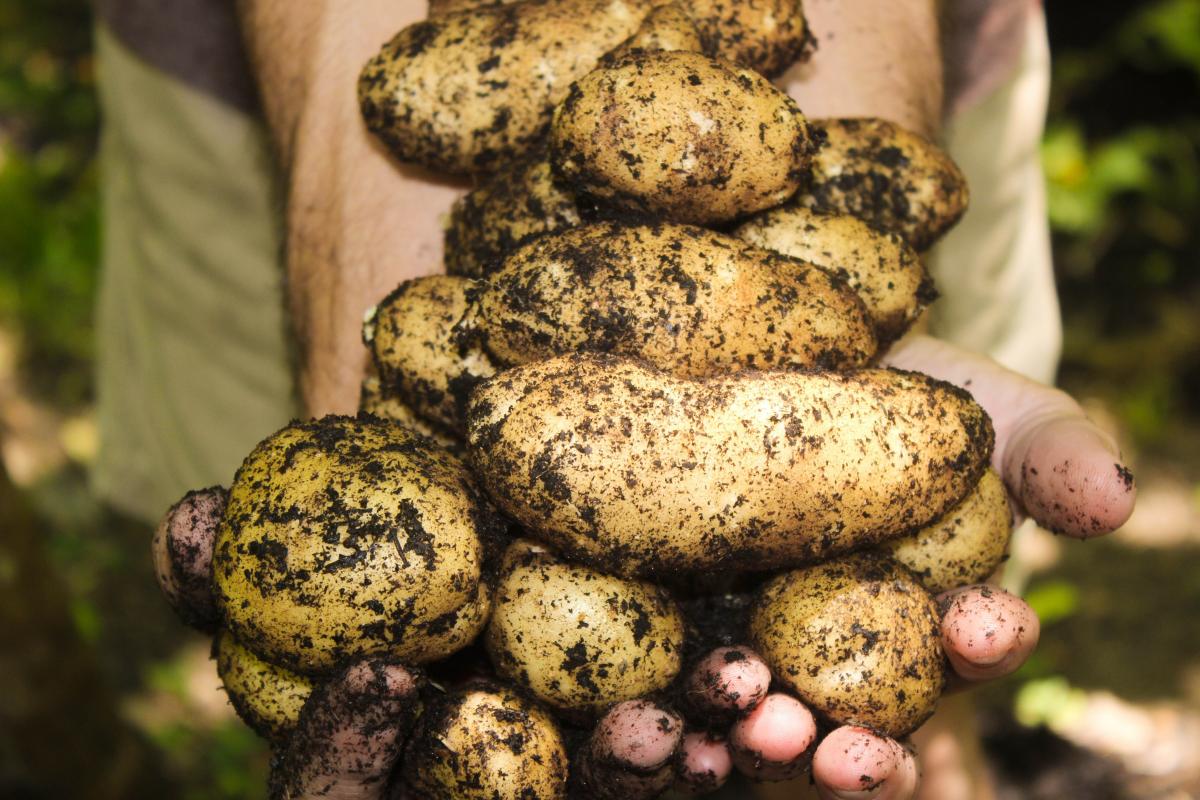
Share your favourite main crop potato recipe and win a copy of our mag!
Love potatoes? We will give away free copies of the May 2026 issue to readers whose potato recipes are used in our magazine. To be in the running, make sure you email your family's favourite way to enjoy potatoes: mailbox@nzgardener.co.nz, by March 1, 2026.

Some Choice News!
DOC is rolling out a new tool to help figure out what to tackle first when it comes to protecting our threatened species and the things putting them at risk.
Why does this matter? As Nikki Macdonald from The Post points out, we’re a country with around 4,400 threatened species. With limited time and funding, conservation has always meant making tough calls about what gets attention first.
For the first time, DOC has put real numbers around what it would take to do everything needed to properly safeguard our unique natural environment. The new BioInvest tool shows the scale of the challenge: 310,177 actions across 28,007 sites.
Now that we can see the full picture, it brings the big question into focus: how much do we, as Kiwis, truly value protecting nature — and what are we prepared to invest to make it happen?
We hope this brings a smile!

 Loading…