





What workplace change would you like to see most?
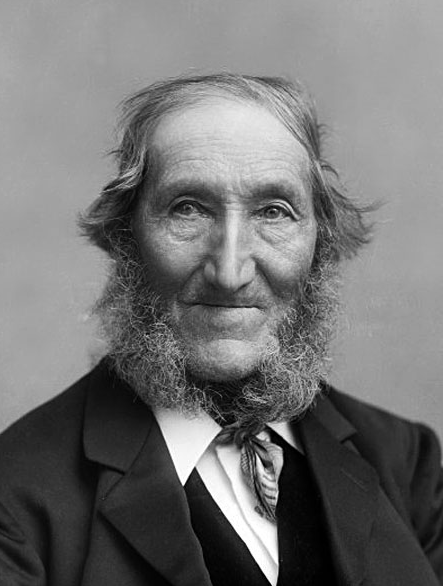
This coming Monday is Labour Day in New Zealand. This public holiday marks when the eight-hour workday and 48-hour workweek became law in 1899. The idea started with Samuel Parnell, a carpenter in Wellington, who in 1840 refused to work more than eight hours a day. Since skilled workers were in short supply, his employer had to agree.
As more skilled workers arrived, employers tried to change working conditions, but Parnell and others kept pushing for better rights. In 1890, Parnell led a Labour Day parade of 1,500 people to promote the eight-hour day. He passed away shortly after, and nine years later, Labour Day became an official public holiday.
Do you feel that we have reached the ideal in working environments yet? What rights are you passionate about relating to employment? Share your thoughts!

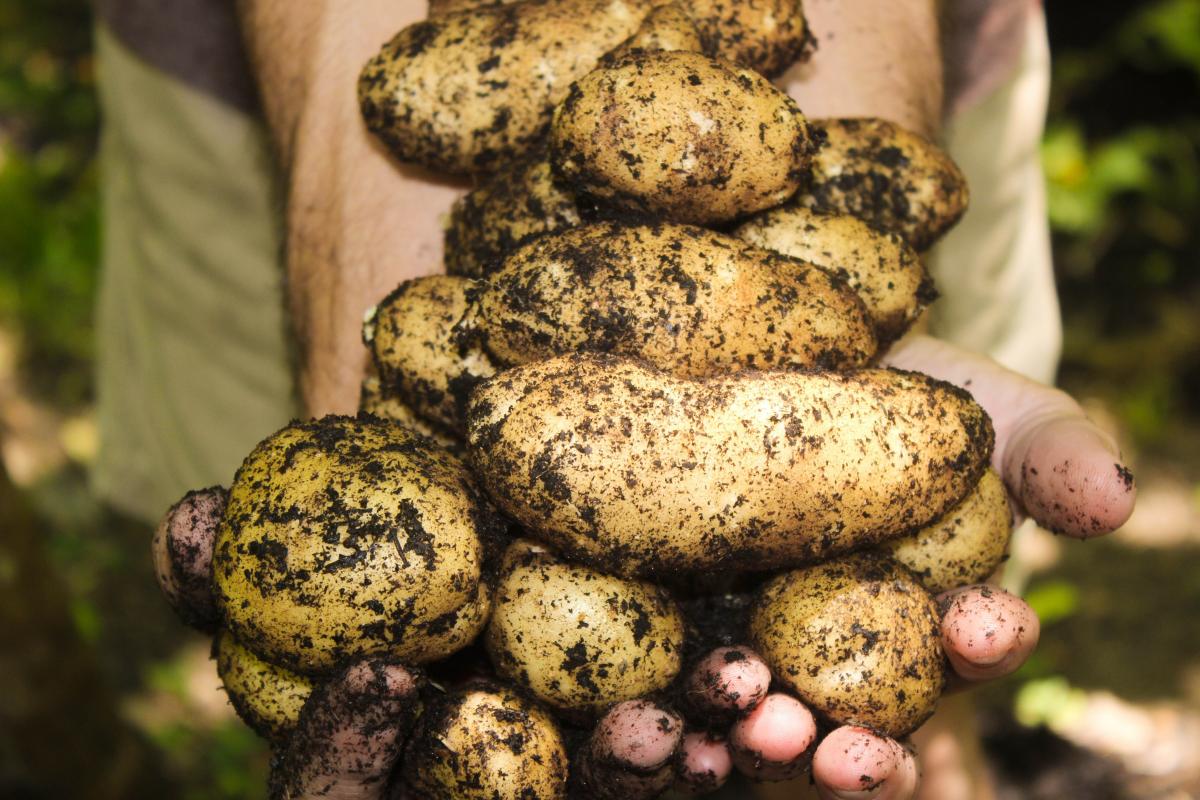
Share your favourite main crop potato recipe and win a copy of our mag!
Love potatoes? We will give away free copies of the May 2026 issue to readers whose potato recipes are used in our magazine. To be in the running, make sure you email your family's favourite way to enjoy potatoes: mailbox@nzgardener.co.nz, by March 1, 2026.
Animal Abuser
🚨 URGENT WARNING TO ALL LOST & FOUND / PET REHOMING PAGES 🚨 and people rehoming pets or reporting lost animals.
It has come to our attention that a long-term, repeat animal abuser is still actively obtaining animals through Facebook groups.
The type of animal does not matter — birds, livestock, dogs, small pets — anything he can access.
He monitors rehoming pages. He approaches people offering “help.” He presents as reasonable. He will say the right things.
Do not give this person any animals under any circumstances.
If you are an admin of a lost & found page, a community group, or a pet rehoming group:
• Please stay vigilant
• Check profiles carefully
• Share this warning across your networks
Animals have already paid the price for people not knowing.
If you are unsure about someone requesting an animal, ask rescue groups to help.

Some Choice News!
DOC is rolling out a new tool to help figure out what to tackle first when it comes to protecting our threatened species and the things putting them at risk.
Why does this matter? As Nikki Macdonald from The Post points out, we’re a country with around 4,400 threatened species. With limited time and funding, conservation has always meant making tough calls about what gets attention first.
For the first time, DOC has put real numbers around what it would take to do everything needed to properly safeguard our unique natural environment. The new BioInvest tool shows the scale of the challenge: 310,177 actions across 28,007 sites.
Now that we can see the full picture, it brings the big question into focus: how much do we, as Kiwis, truly value protecting nature — and what are we prepared to invest to make it happen?
We hope this brings a smile!

 Loading…