




The Green Side of Wool
We have a soft spot for sheep. For many, sheep are symbolic to New Zealand culture with the rearing of sheep being the backbone to the economy for many years.
Sheep farming was established in New Zealand by the 1850s and has played an important role in the economy ever since. For several decades wool accounted for more than a third of New Zealand’s exports by value with the sheep population peaking at just over 70 million in 1982.
This number is significant when comparing it to New Zealand’s human population. By 2020, sheep numbers dropped to 26 million, following a decline in profitability compared to other types of farming, particularly dairying.
While also farmed for their meat, today’s article focuses on sheep wool and its environmental attributes.
Wool is a natural and renewable resource and as long as our beloved sheep are eating the tasty green pastures from New Zealand farms they will always produce wool. Wool has amazing properties that make it ideal for many applications from home textiles through to incontinence underwear.
At this point in time, cotton and synthetic fibres are the most commonly used and produced fibres globally, however their performance does not come close to wool, in particular the environmental benefits.
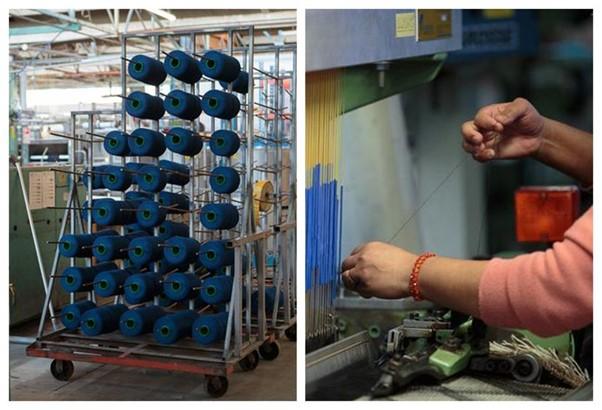
From wool to yarn: The wool clip (total yield of wool shorn during one season from the sheep) is sent to the scourers where the wool is cleaned and dried, and from there to a woollen spinner where the fibre is spun into yarn. The yarn is then sent on to the manufacturer of textile products where many different processes are involved.
The yarn is wound onto dye cones and dyed to the required colours. Next the yarn is warped onto beams. These warp beams are then threaded through the looms so that the weft yarn can run across the warp to create a woven fabric.
The fabric is then inspected and then washed and dried. Very few chemicals are used in the processing, typically only water and heat.
Keep reading: www.curtainclean.co.nz...

Get up to $30,000 back* with your new home
Sign up to an independent apartment or townhouse at a participating Ryman village by 31 March 2026 and receive a $30,000 credit on settlement or sign up to a serviced apartment and receive a $10,000 credit on settlement*.
Imagine a new smart TV, your next getaway or furniture for your new home. With more money staying in your pocket, it’s yours to spend!
Discover the lifestyle that awaits.
*Participating villages only, Terms and conditions apply.


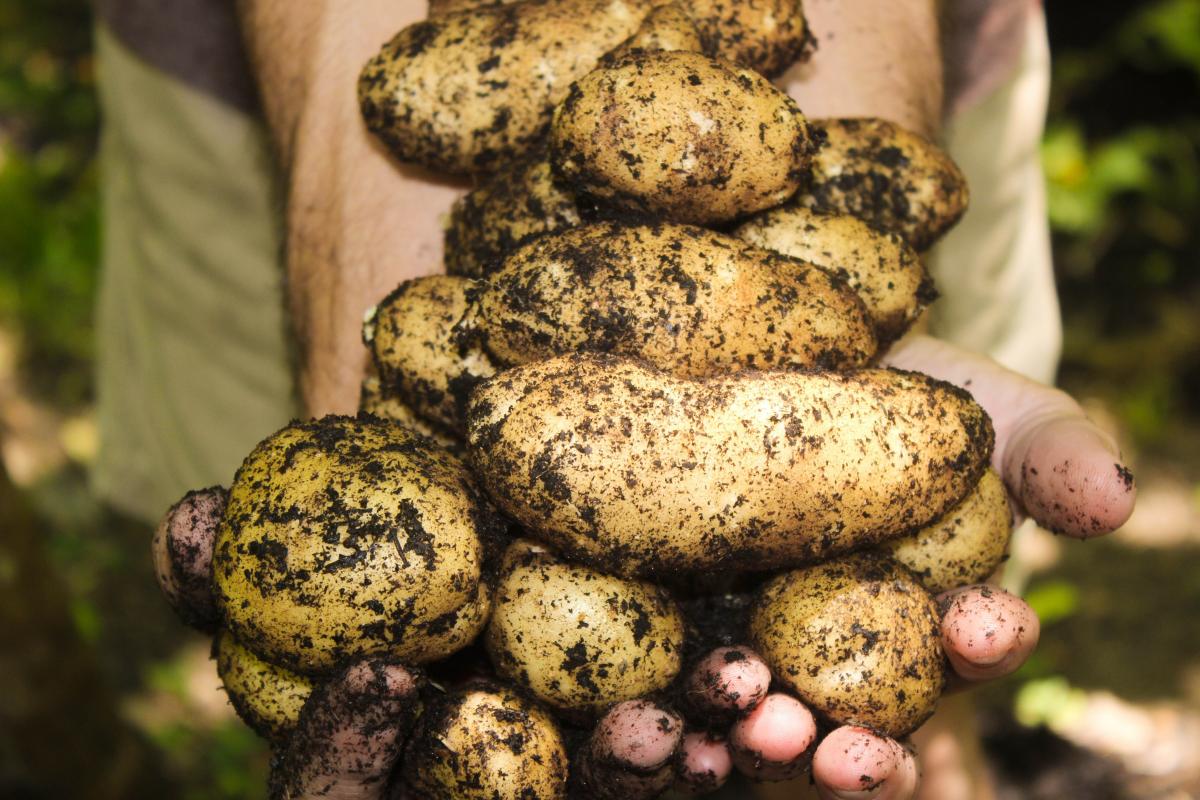
Share your favourite main crop potato recipe and win a copy of our mag!
Love potatoes? We will give away free copies of the May 2026 issue to readers whose potato recipes are used in our magazine. To be in the running, make sure you email your family's favourite way to enjoy potatoes: mailbox@nzgardener.co.nz, by March 1, 2026.
Have you got New Zealand's best shed? Show us and win!
Once again, Resene and NZ Gardener are on the hunt for New Zealand’s best shed! Send in the photos and the stories behind your man caves, she sheds, clever upcycled spaces, potty potting sheds and colourful chicken coops. The Resene Shed of the Year 2026 winner receives $1000 Resene ColorShop voucher, a $908 large Vegepod Starter Pack and a one-year subscription to NZ Gardener. To enter, tell us in writing (no more than 500 words) why your garden shed is New Zealand’s best, and send up to five high-quality photos by email to mailbox@nzgardener.co.nz. Entries close February 23, 2026.
 Loading…