






The ‘relentless’ native bird preying on other species
By David Hill, Local Democracy Reporter
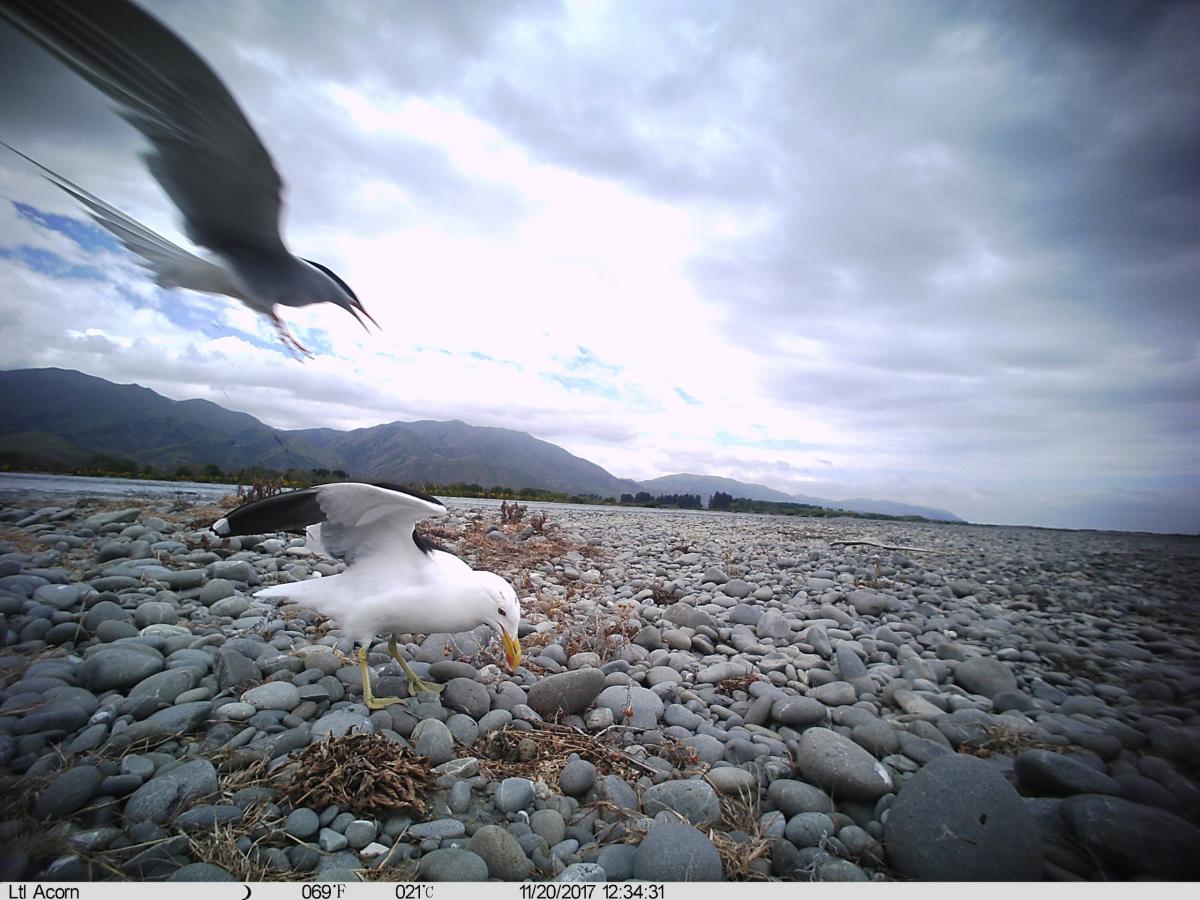
Conservationists and biodiversity managers have suspected for some time the karoro (southern black-backed gull) was behaving as a predator to other native birds.
Now bird counts in Hurunui and Kaikōura show the karoro is a predator to threatened ground nesting birds for a source of food, Environment Canterbury (ECan) senior biodiversity adviser Heath Melville says.
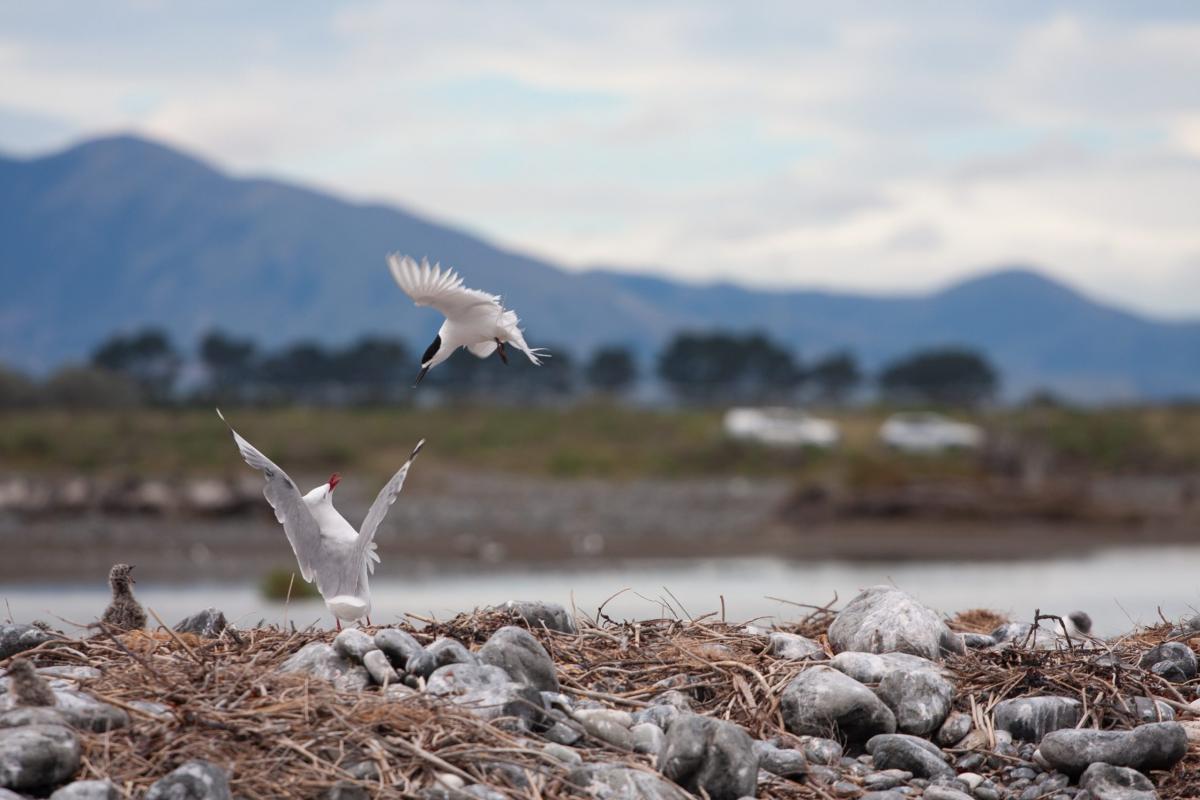
The karoro are ‘‘a big, beautiful bird’’, but have been monitored attacking nesting colonies until complete failure by destroying eggs and taking young chicks for food.
They are also known to attack newborn lambs and calves, and other vulnerable livestock.
‘‘We can certainly see the black backed gulls are relentless,’’ he said.
‘‘We have been doing some controls, but they are still returning to these sites to breed."
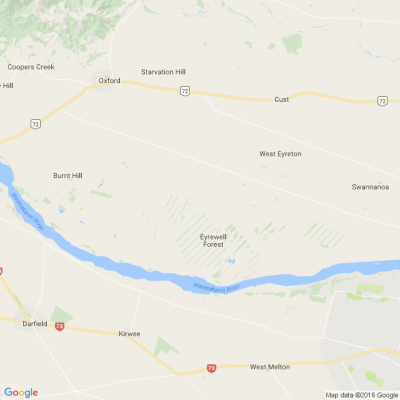
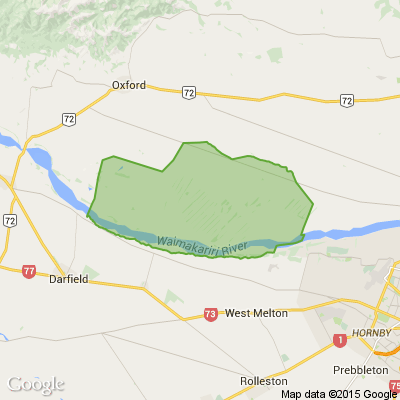
ECan recently completed bird counts at the Waiau Uwha and Hurunui rivers in the Hurunui district, and the Clarence Waiau Toa and Charwell rivers and along the Kaikōura coastline.
This was co-ordinated with bird counts conducted by the Department of Conservation (DOC) and other councils from across the South Island, to learn more about the karora and threatened native species nesting in colonies, primarily in braided riverbeds.
The Waiau Uwha braided river bird surveys have been completed eight times since 2008.
The latest count produced a similar result to previous years, with native bird numbers trending down, while karoro and exotic species were trending upwards.
In all, 45 bird species were identified in the Waiau Uwha survey, including native wrybill, white and black-fronted tern, and banded dotterel.
The birds were also threatened by animals and humans, as well as climate change, habitat loss and weed infestations in riverbeds, leaving birds to nest in areas prone to high river flows.
The Kaikōura sites were added to the bird survey last year, after the Kaikōura Zone Committee agreed to fund a count of the karoro, provided staff engage with mana whenua.
A Te Rūnanga o Kaikōura spokesperson said karoro eggs were traditionally collected as mahinga kai, but there was no need to manage the population prior to colonisation.
The birds have expanded into areas where land use provides increased food sources, particularly braided rivers surrounded by farmland, and near landfills or refuse centres.
The Rūnanga was supportive of taking control measures, provided decisions were based on good data, the spokesperson said.
‘‘The biggest concern for Ngāti Kurī is having a clear understanding of what is going on.
‘‘If the karoro is predating other native species in decline then we need to manage it.
‘‘But what if we have a cull and then we have a disease go through the population, then we have contributed to wiping them out.’’
Kaikōura had the largest red billed gull colonies in New Zealand, while black-billed gulls, shags, terns, oystercatchers and dotterels were also surveyed breeding in the area.
Bird counts were new in Kaikōura, aside from a 52-year study by local resident James Mills of red billed gulls on the Kaikōura Peninsula. This study has shown the red billed gull was in steady decline, despite predator control measures carried out by DOC.
The endangered red billed gulls were often considered a problem to outdoor diners, which has been exacerbated by declining food sources at sea, Melville said.
‘‘They get in people’s faces, take their eggs benny or their fish ’n chips because in many instances they are literally starving, whereas the karoro don’t tend to get so close, and are better adapted at foraging a more diverse diet in highly modified environments.’’
Melville said council staff will continue engaging with the Rūnanga, DOC, LINZ, Clarence River Rafting (which have been assisting in surveying nesting sites), researchers, and other councils and biodiversity managers to monitor the population and develop strategies to manage bird populations.
The karoro are proving to be a pest in other parts of the South Island.
In Geraldine, DOC biodiversity senior ranger Ian Fraser said his office has been working to control karoro on local rivers over the last eight years.
‘‘We have been talking with [Te Rūnanga o] Arowhenua and they have been working with Environment Canterbury, identifying the potential of karoro eggs as mahinga kai and the Rūnanga has carried out some control work as well.’’
Fraser said land use changes over the last 1000 years had favoured karoro over other native birds.
The clearing of forests have created open plains, while today’s farms offered plenty of food sources - ‘‘not to mention our waste facilities’’.
‘‘We have altered the balance, so we need to try to meddle in good ways.’’
■ LDR is local body journalism co-funded by RNZ and NZ On Air.

Poll: Should the government levy industries that contribute to financial hardship?
As reported in the Post, there’s a $30 million funding gap in financial mentoring. This has led to services closing and mentors stepping in unpaid just to keep helping people in need 🪙💰🪙
One proposed solution? Small levies on industries that profit from financial hardship — like banks, casinos, and similar companies.
So we want to hear what you think:
Should the government ask these industries to contribute?

-
60% Yes, supporting people is important!
-
25.7% No, individuals should take responsibility
-
14.3% ... It is complicated
Poll: Do you have a go-to adverse-weather checklist for your family? ☔⚠️
As reported in the Press, the same low-pressure system that lashed the North Island over the weekend is now making its way south, bringing heavy rain and strong winds with it. It’s a soggy start to the week for many of us.
With more wild weather on the cards, we’re curious: do you have a go-to adverse-weather checklist for your family? Or are you more of a “grab the torches and hope for the best” household?

-
44.4% Yes - we like to be prepared
-
38.9% Nah
-
16.7% This is on my to-do list!

A Neighbourly Riddle! Don’t Overthink It… Or Do?😜
Do you think you know the answer? Simply 'Like' this post if you know the answer and the big reveal will be posted in the comments at 2pm on the day!
If you multiply this number by any other number, the answer will always be the same. What number is this?

 Loading…