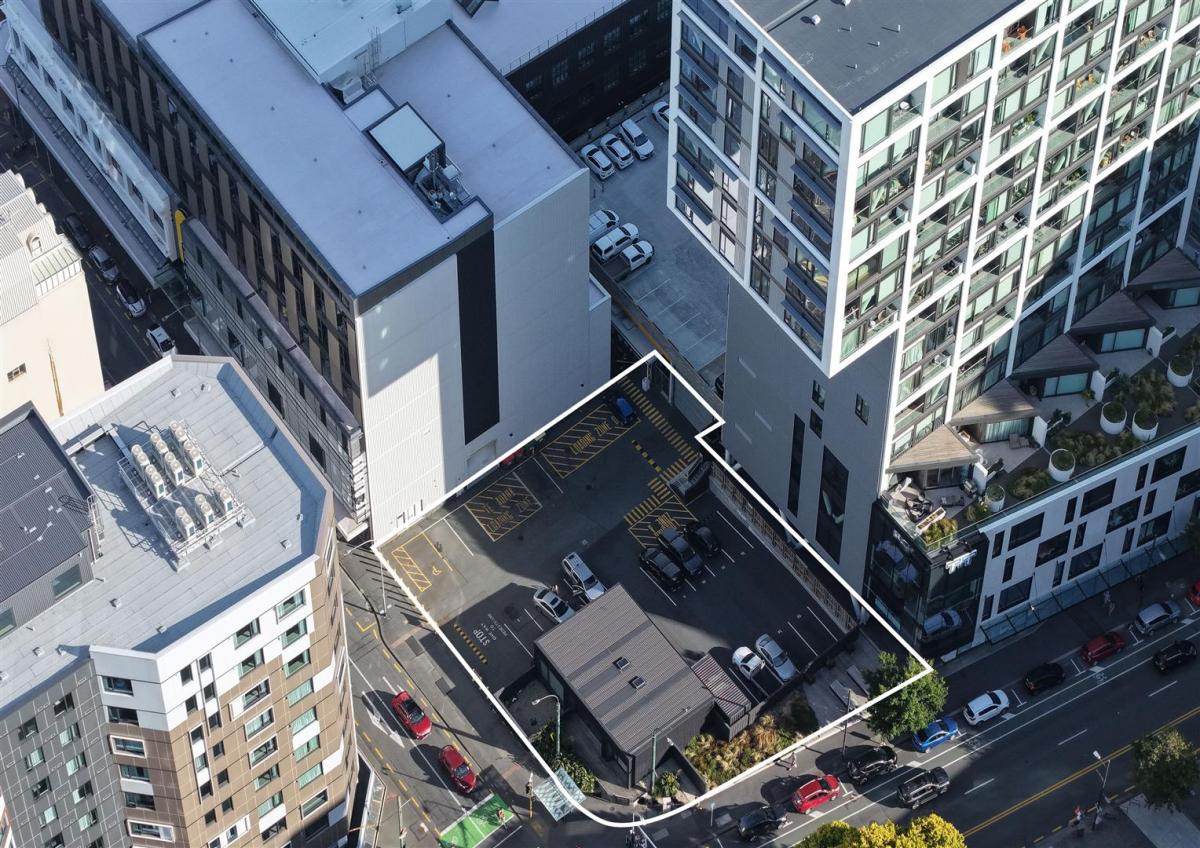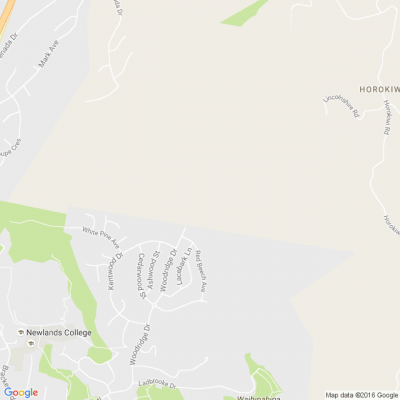
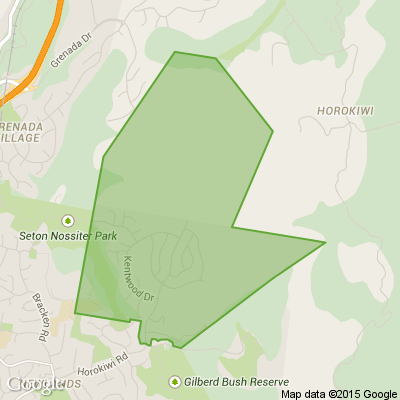





Wellington International Airport should have consulted with the community about the DMAPs flight path change. It did not. Find out more - visit tinyurl.com/PlaneSenseFAQ1. This time it’s our community. Next time it could be yours. More in the comments.
The affected residents have always had a legitimate expectation that Wellington International Airport, having public law responsibilities, would carry out such consultation prior to any proposal to divert aircraft over their suburbs. The consultation now offered was required by law prior to development of the DMAPS concept.
Looking through Airways New Zealand OIA documents Plane Sense received, we found references to community consultation as long ago as November 2021, but alongside that was mention that the local community could be a "roadblock", suggestions that "impact frequently comes down to perception, influenced by publicity", and "Airways would like this implemented in December this year. We (Wellington Airport) therefore need this work reasonably quickly!" Even the Airnoise Committee meeting minutes don't reference the DMAPs flight path change until March 2023, after implementation. The first communication went up on the Wellington Airport website on 20 December 2022, a day after the first known complaint was made.
Understandably, residents are angry about the lack of courtesy, consistency, professionalism and regard for our community and affected individuals. We believe the organisations have been cavalier with residents' health and well-being.
Plane Sense is holding Wellington International Airport, Airways New Zealand, Civil Aviation Authority of NZ and Wellington City Council (as a shareholder) to account for a change that happened over the northern suburbs on 1 December 2022. As well as significant legal issues, there are public health and safety concerns for residents and our local environment. Plane Sense is fundraising to commence a judicial review. Have questions? Find out more and support us today - planesensewellington.com/faqs


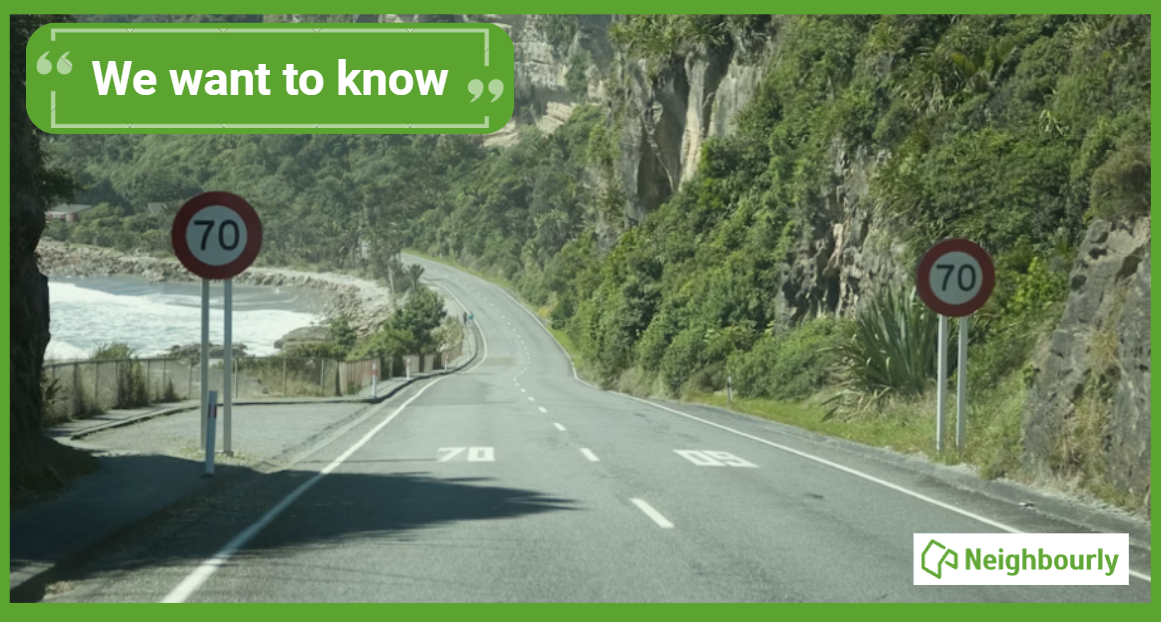
Poll: If we want to reduce speeding, what do you think actually changes driver behaviour? 🛻🚨🚓
In the Post's article on speeding penalties, the question is asked whether speeding fines are truly about road safety, or are they just a way to boost revenue for the Crown?
What do you think? Should speeding motorists receive speeding fines or demerit points?
-
36.5% The sting of a fine (Money talks!)
-
63.5% The threat of demerit points (Nobody wants to lose their license!)
Scam Alert: Bank cold calls
ASB is warning customers about reports of cold calls from scammers claiming to be from ASB. These scammers are trying to obtain personal information, including usernames, dates of birth, and verification codes sent to your mobile phone.
🛡️ The "Caller Check" Test
If you get a call from someone claiming to be from ASB and you’re unsure, just ask them for a Caller Check. You will then be able to verify the call through the app.
Remember, banks will:
❌ Never ask for your banking passwords, PINs, or verification codes
❌ Never need to know your full credit card number – especially the CVC
❌ Never ask you to download software or remotely access your device
❌ Never ask you to purchase gift cards or transfer funds.
If you have received a phone call and think your account has been compromised, call ASB on 0800 ASB FRAUD (0800 272 372), or visit your local branch.

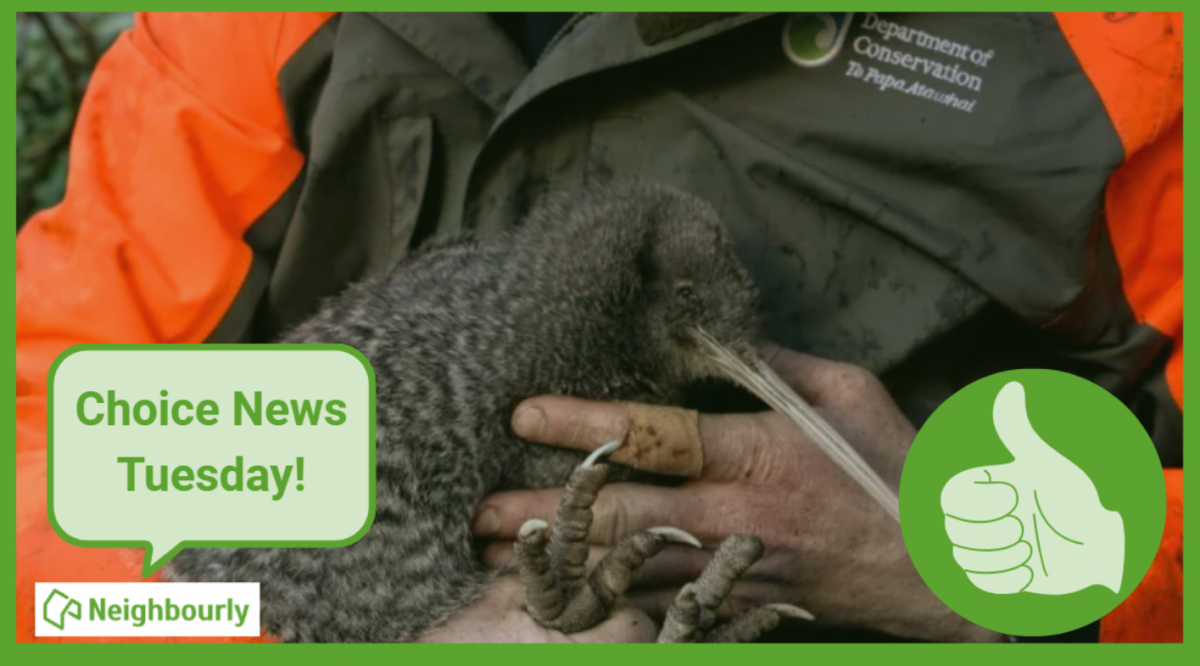
Some Choice News!
DOC is rolling out a new tool to help figure out what to tackle first when it comes to protecting our threatened species and the things putting them at risk.
Why does this matter? As Nikki Macdonald from The Post points out, we’re a country with around 4,400 threatened species. With limited time and funding, conservation has always meant making tough calls about what gets attention first.
For the first time, DOC has put real numbers around what it would take to do everything needed to properly safeguard our unique natural environment. The new BioInvest tool shows the scale of the challenge: 310,177 actions across 28,007 sites.
Now that we can see the full picture, it brings the big question into focus: how much do we, as Kiwis, truly value protecting nature — and what are we prepared to invest to make it happen?
We hope this brings a smile!
 Loading…