





We’re now at Alert Level 4. Stay home. Save lives.
Dear concerned citizen,
We must now all stay home. Because that’s how we’ll stop the virus.
Level 4 measures will likely be in place for a number of weeks.
Don’t worry. During that time you will still be able to access all the essentials you need, including medicine, food, and other home supplies.
ALL THE TIME, NO EXCEPTIONS
It’s incredibly important that we all follow the Level 4 plan, all the time. No exceptions. Because doing so will save lives.
A CHALLENGE FOR EVERYONE
We realise these are big changes. But these are challenging times.
If we don't all stay home, the whole country will need Level 4 restrictions for longer.
SUPPORT OUR EMERGENCY SERVICE PEOPLE
We owe it to the essential services. Our nurses, doctors and everyone else on the frontline. They’re working tirelessly to save lives. We should all do everything in our power to help them do this.
Thank you to each and every person, for doing their bit.
While you’re staying at home:
STAY CONNECTED
• Don’t let physical distance stop you staying connected. Keep in touch with people using video calls, phone calls, chat and texting.
• If you know people who are living alone, vulnerable, or separated from their loved ones, regularly check-in with them.
STAY WELL
• Continue to practice good hygiene – wash your hands with soap. Then dry.
• Cough or sneeze into your elbow.
• Regularly clean surfaces in your home with disinfectant.
• Keep up regular physical exercise, and get some fresh air when possible. It’s good so long as this is solitary, or only with those you live with.
REACH OUT
If you need advice, support or help, try reaching out to friends, family, whānau or workmates.
WE'RE UPDATING INFORMATION CONSTANTLY
For all the latest advice, including answers to your health and financial questions, go to Covid19.govt.nz.
And remember: what you do now, will help protect all of us.

Poll: Are you still heading to your local for your caffeine fix, or has the $$ changed your habits? ☕
Wellington’s identity is built on its cafe culture, but with costs climbing, that culture is under pressure. We’ve seen the headlines about recent closures, and it’s a tough pill to swallow along with a $6+ coffee.
We all want our favourite spots to stay open, but we also have to balance our own budgets ⚖️
We want to know: How are you handling the "coffee math" in 2026? Are you still heading to your local for a chat and a caffeine fix, or has the cost of living changed your habits?
Keen to read more about "coffee math"? The Post has you covered.

-
45.7% I avoid spending money on coffee
-
42.3% I still indulge at my local cafe
-
12% Irrelevant - coffee is not for me

🌉🛶 Early Birds Might Crack This One First… or Not? 🥚🧠
A person is crossing a bridge and sees a boat full of people, yet there isn't a single person on board.
How is this possible?
(Susan from Massey kindly provided this head-scratcher ... thanks, Susan!)
Do you think you know the answer? Simply 'Like' this post if you know the answer and the big reveal will be posted in the comments at 2pm on the day!
Want to stop seeing these in your newsfeed?
Head here and hover on the Following button on the top right of the page (and it will show Unfollow) and then click it. If it is giving you the option to Follow, then you've successfully unfollowed the Riddles page.
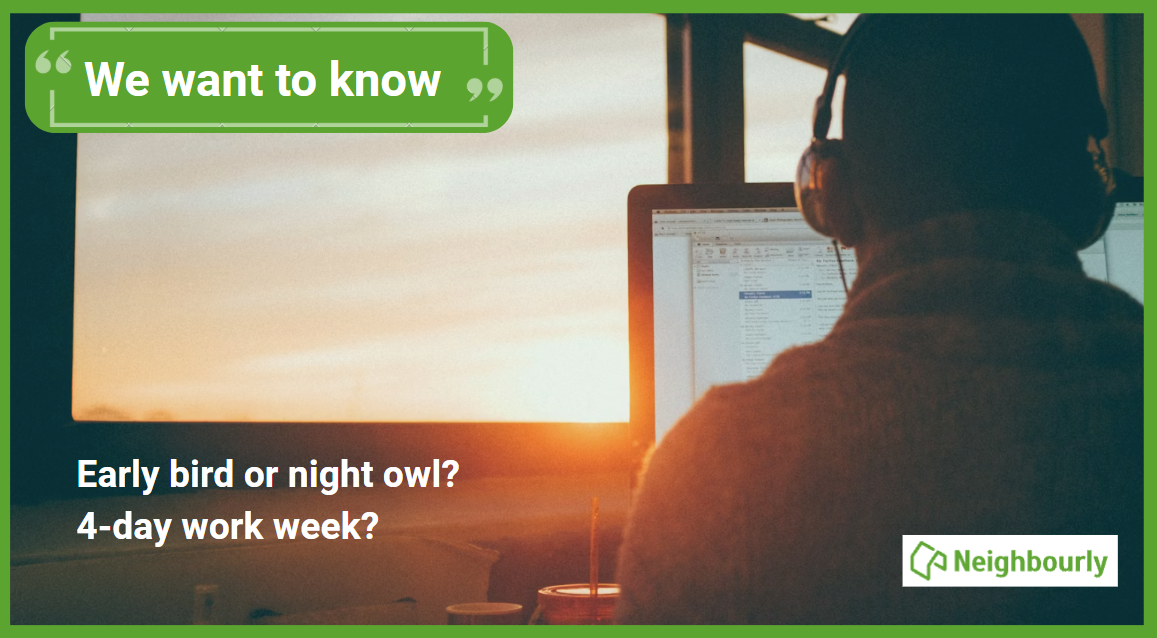
🪱🐦 When are you the most productive? 🌙🦉
The Post has been diving into our daily habits, and research suggests being an early bird or a night owl isn’t just a choice—it’s biology! We all have that specific time when our brains finally "click" into gear.
This raises a big question for the modern workplace. To get the best out of everyone, should employers accommodate our natural body clocks? This idea is at the heart of the four-day work week and flexible scheduling movements.
We want to hear from you:
1. When does your brain "click" into gear?
2. Would a flexible (or shortened) schedule change the way you work?
 Loading…