





Natures Bounty | Bast is Best
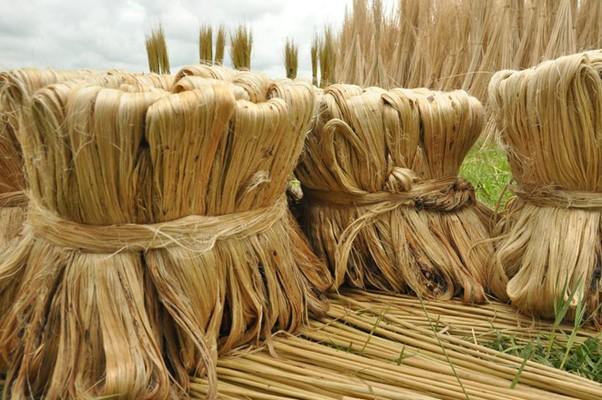
Commonly known as ‘soft’ fibres, bast fibres are the fine, flexible fibres obtained from the stems of dicotyledonous plants.
Bast fibres have been used to manufacture ropes, sacks, sails, and other industrial fabrics for hundreds of years. Commonly known as ‘soft’ fibres, bast fibres are the fine, flexible fibres obtained from the stems of dicotyledonous plants. A sustainable choice, bast fibres support regenerative agricultural practices that can help the soil sequester carbon and as a natural resource, are entirely biodegradable. In this article we will investigate four of the most utilised bast fibres: flax, hemp, ramie, and jute.
Between the epidermis (the outermost layer of cells) and the core of the plant’s stems are soft, woody fibre bundles or strands which can be over one metre long. The strands are composed of individual filaments made up of cellulose and hemicellulose cells bonded together by pectin or lignin, a cohesive gum which strengthens the stem of the plant.
During harvest the stems are cut close to the ground and the fibres are separated either through a natural decomposition process called retting (engaging moisture and bacteria to rot away the gummy cellular tissues) or by decortication (peeling the stems manually or mechanically). After retting, the fibres can be mechanically extracted through a process known as scutching.
In contrast to bast fibres, leaf fibres are obtained from the leaves of monocotyledonous plants with parallel-veined leaves, such as grasses, lilies, orchids, and palms. The long, stiff fibres of plants including abaca, cantala, Mauritius hemp, and sisal are generally used to create cordage or ropes, however, due to labour-intensive harvesting processes they are used less frequently than synthetic options.
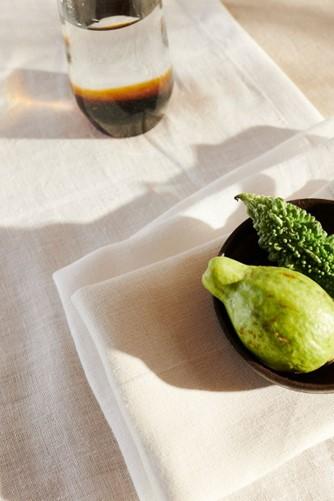
Flax (Linen): Famously grown across northern France, Belgium, the Netherlands, and Ireland, flax is the most popular and strongest of the bast fibres. Wild flax fibres found in the Upper Palaeolithic layers of a Georgian cave indicate that humans have been crafting cords and weaving flax baskets for over 30,000 years.
Keep reading: www.curtainclean.co.nz...

Poll: 🤖 What skills do you think give a CV the ultimate edge in a robot-filled workplace?
The Reserve Bank has shared some pretty blunt advice: there’s no such thing as a “safe” job anymore 🛟😑
Robots are stepping into repetitive roles in factories, plants and warehouses. AI is taking care of the admin tasks that once filled many mid-level office jobs.
We want to know: As the world evolves, what skills do you think give a CV the ultimate edge in a robot-filled workplace?
Want to read more? The Press has you covered!
-
57.8% Human-centred experience and communication
-
13.5% Critical thinking
-
25.9% Resilience and adaptability
-
2.7% Other - I will share below!

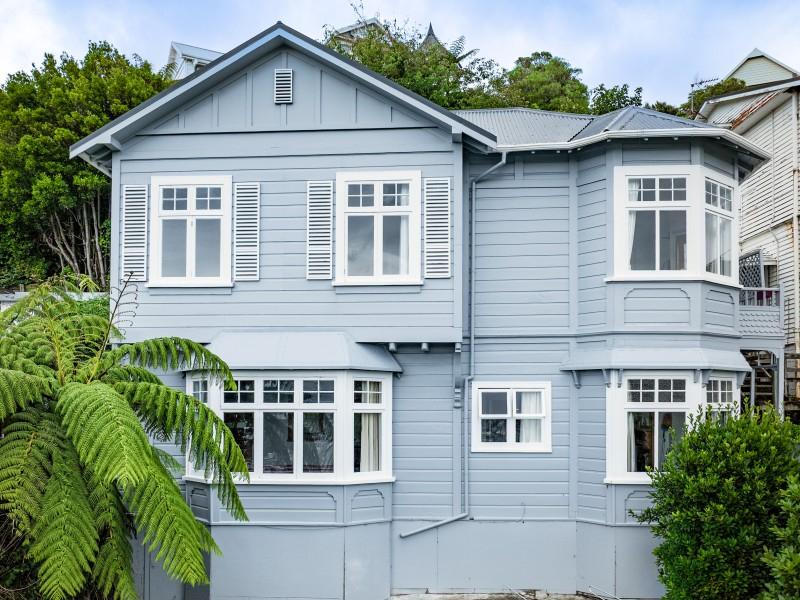
Trusted Painters for Every Home
Hi neighbours!
At Graham’s Painters we bring 40+ years of experience, a friendly team of over 20+ full-time professionals, and a “get-it-done” attitude to every job big or small.
We specialise in interior/exterior painting, roof painting, house washing, decking, fencing, wallpapering, and cedar weatherboards. We’re tidy, punctual, and perfect for busy families, non-DIYers, and retirees.
Discounts available for SuperGold Card holders
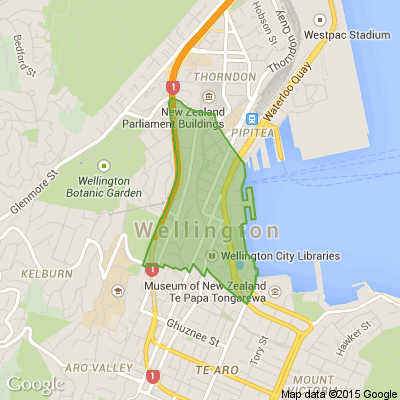
Serving all of Wellington, Hutt Valley & up to Plimmerton.
Message us today for a free quote, we’d love to help bring your home to life!


Brain Teaser of the Day 🧠✨ Can You Solve It? 🤔💬
Make a hearty dish. Take just half a minute. Add four parts of kestrel. Then just add one. What have you made?
(Trev from Silverdale kindly provided this head-scratcher ... thanks, Trev!)
Do you think you know the answer? Simply 'Like' this post and we'll post the answer in the comments below at 2pm on the day!
Want to stop seeing these in your newsfeed? No worries! Simply head here and click once on the Following button.
 Loading…