





For the Love of Velvet
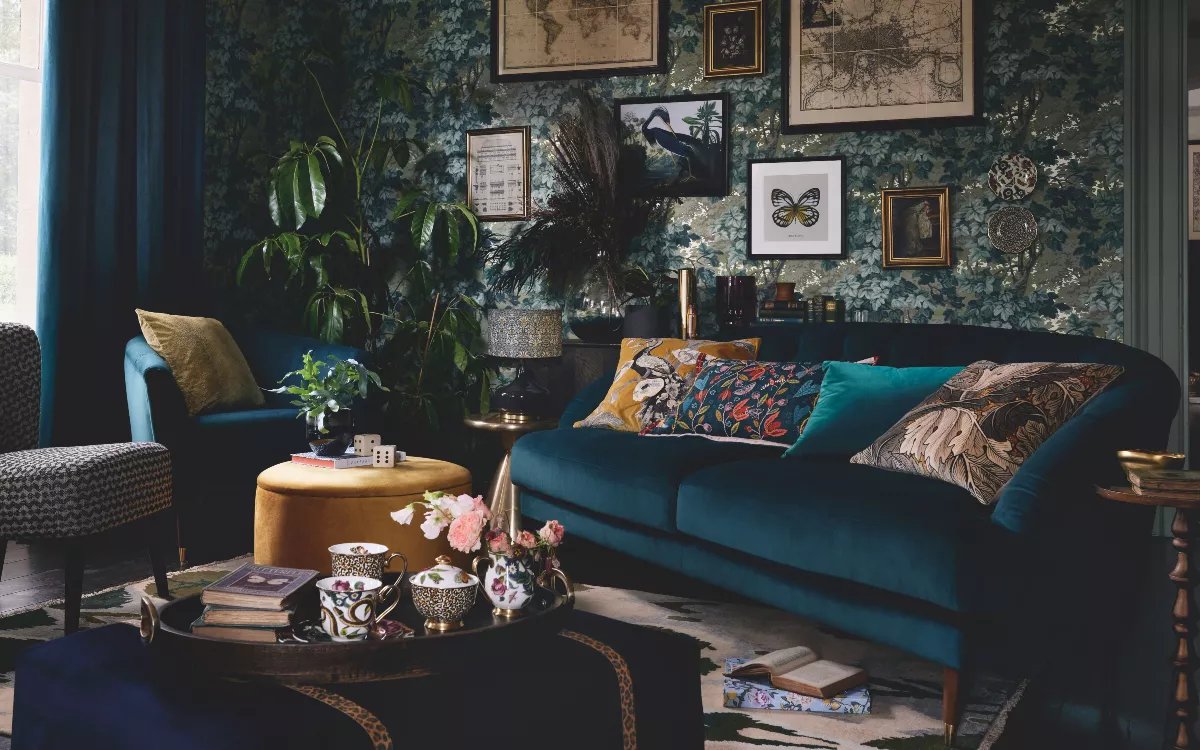
For anyone wanting to add everlasting interest to their home, you can’t look past velvet! This is a fabric that’s as rich in textile history as it is in texture with incredible durability that may surprise you.
Velvet fabric fuses a historical sense of luxury and indulgence with a plush, practical comfort that has a timeless style, sure to outlast any momentary design trends. With its silky sheen and rich colours, velvet holds a specific seductive quality that no eye for elegance can resist the allure of.
For a fabric that feels like a soft, buttery hug the unique piles have a hard-wearing quality that will ensure your velvet curtains, cushions or furniture will continue to be loud and daring or subtly sophisticated for years to come.
History of Velvet
The history of velvet is one of luxury and meticulous construction. It is believed the material was first introduced in Baghdad around 750 A.D. The original velvet material was made from silk and therefore naturally reserved for royalty and other notably wealthy classes that could afford the exorbitant cost.
Velvet eventually travelled to Europe on the Silk Road and gained popularity during the Renaissance. At the same time, new loom technology lowered the production costs and therefore widened the availability to fabric lovers of all classes. Fast-forward to the 21st century and velvet fabric can be found in almost every home, transcending and outlasting interior trends to suit any home decor for years on end.
How is Velvet Made?
Velvet is made in a very unique way. It is woven on a double piece loom that makes two pieces of fabric simultaneously with the velvet pile encased in the middle. It is then separated, creating the three-dimensional texture velvet is known for.
While the first velvets were made from silk, more recent adaptations in the production process means velvets can now be made from natural or synthetic fibres such as polyester, nylon, viscose, or rayon.
Classic plain velvet will then be sheared to ensure the pile is a consistent length and often brushed while moist to achieve a nice uniform grain across the fabric. If the fabric is destined to boast a pattern, at this point in the process it will be crushed, embossed or snipped to different lengths to ensure this pattern is part of the pile’s identity for the life of the fabric.
Velvet is then dyed to produce amazing, rich colours that are accentuated by the three-dimensional texture.
Durability of Velvet
Due to the aura of luxury surrounding velvet and the fact that it was originally made from silk, there’s a preconception that it’s delicate and requires gentle, loving care to stay pristine. We’re here to set the record straight!
Keep reading: www.curtainclean.co.nz...

Some Choice News!
DOC is rolling out a new tool to help figure out what to tackle first when it comes to protecting our threatened species and the things putting them at risk.
Why does this matter? As Nikki Macdonald from The Post points out, we’re a country with around 4,400 threatened species. With limited time and funding, conservation has always meant making tough calls about what gets attention first.
For the first time, DOC has put real numbers around what it would take to do everything needed to properly safeguard our unique natural environment. The new BioInvest tool shows the scale of the challenge: 310,177 actions across 28,007 sites.
Now that we can see the full picture, it brings the big question into focus: how much do we, as Kiwis, truly value protecting nature — and what are we prepared to invest to make it happen?
We hope this brings a smile!


Poll: 🤖 What skills do you think give a CV the ultimate edge in a robot-filled workplace?
The Reserve Bank has shared some pretty blunt advice: there’s no such thing as a “safe” job anymore 🛟😑
Robots are stepping into repetitive roles in factories, plants and warehouses. AI is taking care of the admin tasks that once filled many mid-level office jobs.
We want to know: As the world evolves, what skills do you think give a CV the ultimate edge in a robot-filled workplace?
Want to read more? The Press has you covered!
-
52.7% Human-centred experience and communication
-
14.7% Critical thinking
-
29.8% Resilience and adaptability
-
2.7% Other - I will share below!

Share your favourite main crop potato recipe and win a copy of our mag!
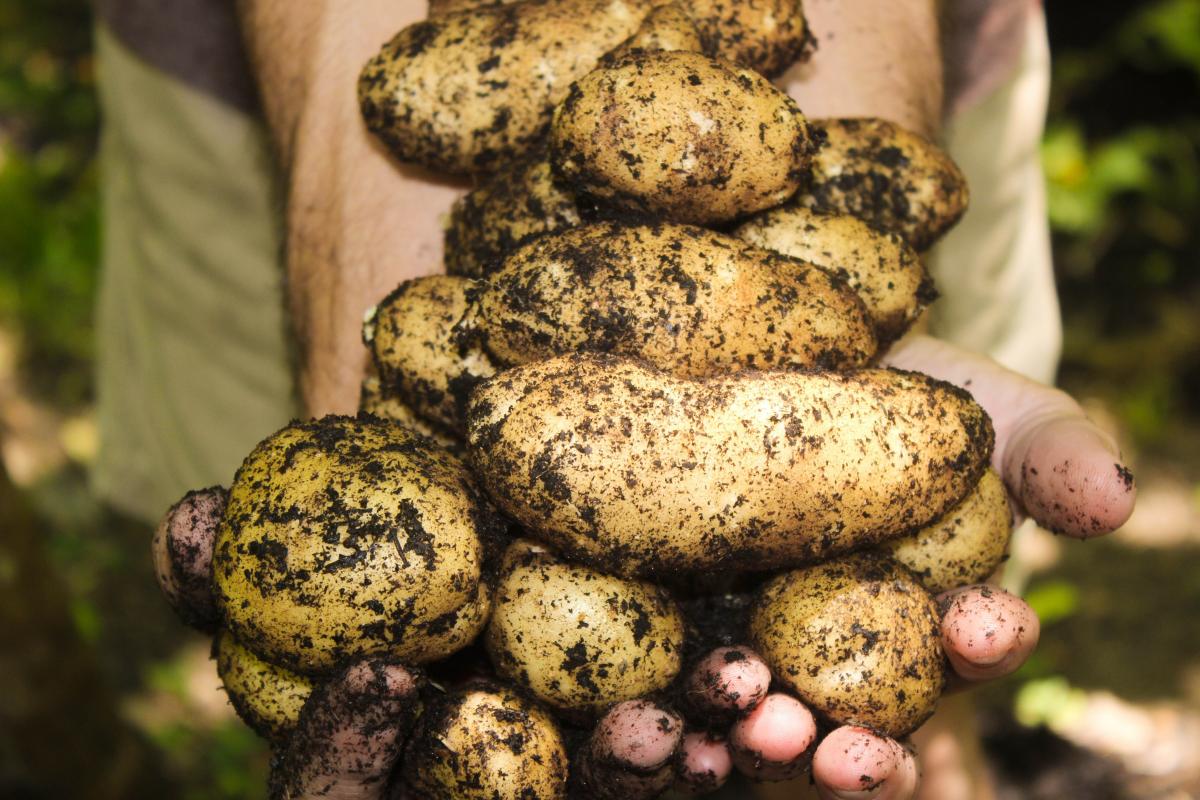
Love potatoes? We will give away free copies of the May 2026 issue to readers whose potato recipes are used in our magazine. To be in the running, make sure you email your family's favourite way to enjoy potatoes: mailbox@nzgardener.co.nz, by March 1, 2026.
 Loading…