






How to Care for Your Washing Machine
Looking after your washing machine will maximise its life and performance.
Our member surveys indicate that the average life expectancy of a top loader is seven years, and 12 for a front loader. A little care and maintenance can go a long way, so here are some tips to help you get the most from your washer.
Watch out for keys and coins
Keys and coins kill washing machines. Check pockets before washing, and look for dirt and objects left in the drum, or hidden in the rubber seals after each wash.
Check your pump filter
Many washing machines have these as a last line of defence against foreign objects. Look for a small hatch low down on the outside of your machine. Check this monthly and clear anything that shouldn’t be in there — use a towel or tray to catch the water when you open it up. If your machine isn’t draining, this is the first thing to check before calling for a repair.
Limit your washer's spin speed
Keep this to 1200rpm, even if your machine goes up to 1400 or even 1600rpm. Higher speeds reduce the life of belts, drum bearings and door seals, without removing much more water.
Don’t use fabric softener with laundry detergent
Fabric softeners react to create a waxy residue called “scrud”. No one wants “scrud” – especially as it clings to unseen parts of the machine, such as under the agitator. If blobs break free, they can leave greasy marks on laundry.
Regularly clean the detergent dispenser
Check the manual to see how to remove it, and wash it thoroughly in warm soapy water.
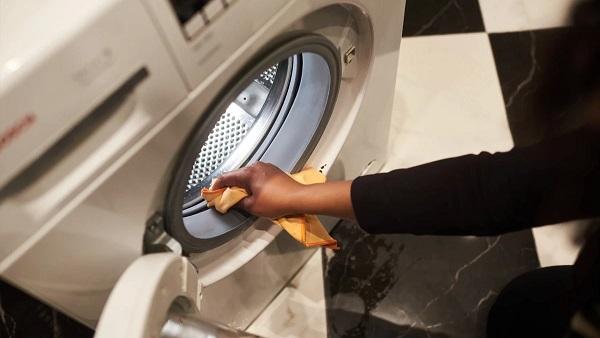
Clean the door seal
Remove water from the door seal after each wash (if you notice mould, wipe the rubber seal with hot water and detergent). Between washes, leave the door and detergent dispenser open – that lets the interior dry.
Use the service cycle
Many machines have a specific “service” or “cleaning” cycle. It helps your machine smell fresh, prevents detergent build-up, and keeps it cleaning at its best.
If your machine doesn’t have a service cycle, run a hot wash with a full-strength powder detergent once a month.
Keep reading: www.curtainclean.co.nz...


Some Choice News!
DOC is rolling out a new tool to help figure out what to tackle first when it comes to protecting our threatened species and the things putting them at risk.
Why does this matter? As Nikki Macdonald from The Post points out, we’re a country with around 4,400 threatened species. With limited time and funding, conservation has always meant making tough calls about what gets attention first.
For the first time, DOC has put real numbers around what it would take to do everything needed to properly safeguard our unique natural environment. The new BioInvest tool shows the scale of the challenge: 310,177 actions across 28,007 sites.
Now that we can see the full picture, it brings the big question into focus: how much do we, as Kiwis, truly value protecting nature — and what are we prepared to invest to make it happen?
We hope this brings a smile!


Poll: 🤖 What skills do you think give a CV the ultimate edge in a robot-filled workplace?
The Reserve Bank has shared some pretty blunt advice: there’s no such thing as a “safe” job anymore 🛟😑
Robots are stepping into repetitive roles in factories, plants and warehouses. AI is taking care of the admin tasks that once filled many mid-level office jobs.
We want to know: As the world evolves, what skills do you think give a CV the ultimate edge in a robot-filled workplace?
Want to read more? The Press has you covered!

-
52.7% Human-centred experience and communication
-
14.7% Critical thinking
-
29.8% Resilience and adaptability
-
2.7% Other - I will share below!

Share your favourite main crop potato recipe and win a copy of our mag!
Love potatoes? We will give away free copies of the May 2026 issue to readers whose potato recipes are used in our magazine. To be in the running, make sure you email your family's favourite way to enjoy potatoes: mailbox@nzgardener.co.nz, by March 1, 2026.

 Loading…