





The Green Side of Wool
We have a soft spot for sheep. For many, sheep are symbolic to New Zealand culture with the rearing of sheep being the backbone to the economy for many years.
Sheep farming was established in New Zealand by the 1850s and has played an important role in the economy ever since. For several decades wool accounted for more than a third of New Zealand’s exports by value with the sheep population peaking at just over 70 million in 1982.
This number is significant when comparing it to New Zealand’s human population. By 2020, sheep numbers dropped to 26 million, following a decline in profitability compared to other types of farming, particularly dairying.
While also farmed for their meat, today’s article focuses on sheep wool and its environmental attributes.
Wool is a natural and renewable resource and as long as our beloved sheep are eating the tasty green pastures from New Zealand farms they will always produce wool. Wool has amazing properties that make it ideal for many applications from home textiles through to incontinence underwear.
At this point in time, cotton and synthetic fibres are the most commonly used and produced fibres globally, however their performance does not come close to wool, in particular the environmental benefits.
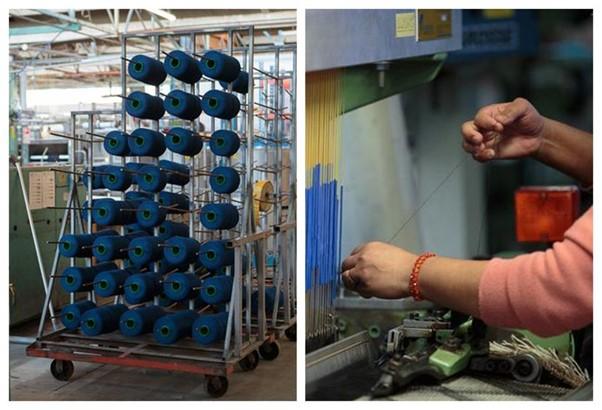
From wool to yarn: The wool clip (total yield of wool shorn during one season from the sheep) is sent to the scourers where the wool is cleaned and dried, and from there to a woollen spinner where the fibre is spun into yarn. The yarn is then sent on to the manufacturer of textile products where many different processes are involved.
The yarn is wound onto dye cones and dyed to the required colours. Next the yarn is warped onto beams. These warp beams are then threaded through the looms so that the weft yarn can run across the warp to create a woven fabric.
The fabric is then inspected and then washed and dried. Very few chemicals are used in the processing, typically only water and heat.
Keep reading: www.curtainclean.co.nz...

🧩😏 Riddle me this, Neighbours…
I am an odd number. Take away a letter and I become even. What number am I?
Do you think you know the answer?
Want to stop seeing these in your newsfeed? No worries! Simply head here and click once on the Following button.


Share your favourite main crop potato recipe and win a copy of our mag!
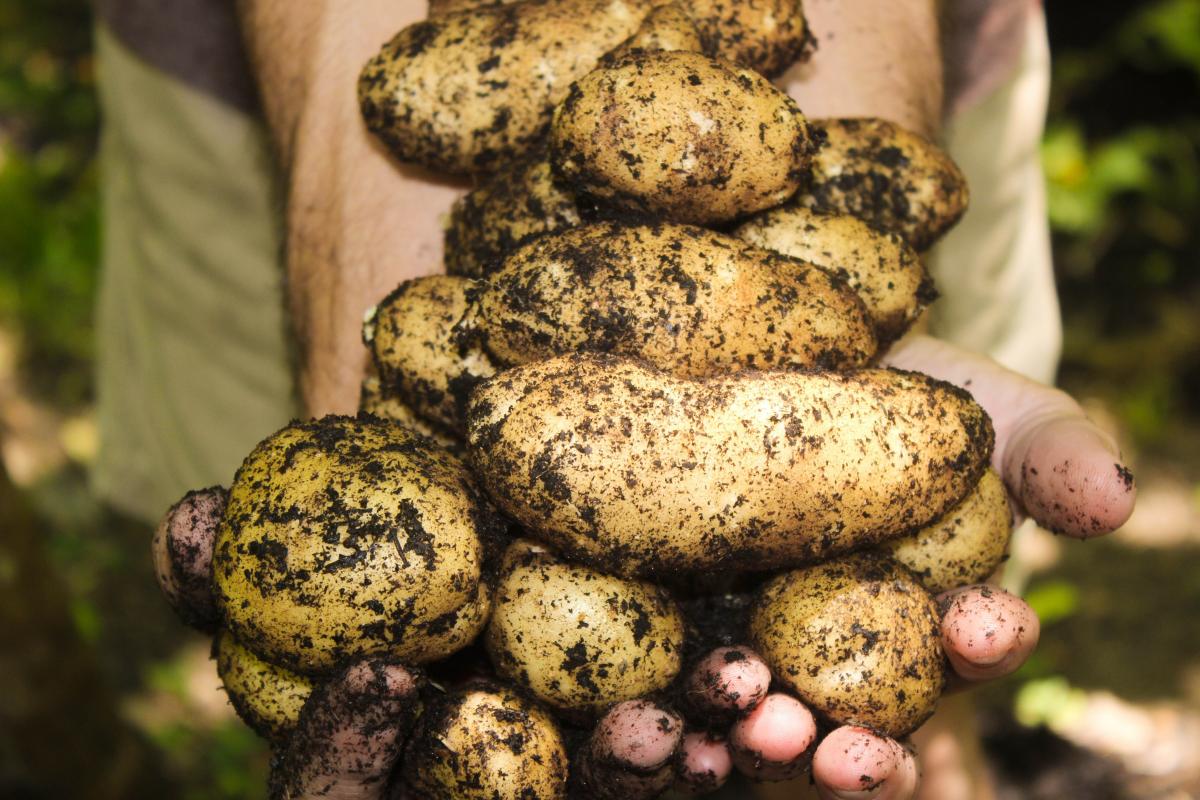
Love potatoes? We will give away free copies of the May 2026 issue to readers whose potato recipes are used in our magazine. To be in the running, make sure you email your family's favourite way to enjoy potatoes: mailbox@nzgardener.co.nz, by March 1, 2026.

Poll: 🤖 What skills do you think give a CV the ultimate edge in a robot-filled workplace?
The Reserve Bank has shared some pretty blunt advice: there’s no such thing as a “safe” job anymore 🛟😑
Robots are stepping into repetitive roles in factories, plants and warehouses. AI is taking care of the admin tasks that once filled many mid-level office jobs.
We want to know: As the world evolves, what skills do you think give a CV the ultimate edge in a robot-filled workplace?
Want to read more? The Press has you covered!
-
53% Human-centred experience and communication
-
14.5% Critical thinking
-
29.8% Resilience and adaptability
-
2.7% Other - I will share below!
 Loading…