




Linen lies – Busted!
Want to understand why Linen makes such a great choice for your household textiles? Here are 7 common misconceptions about linen, and the reasons why they’re wrong.
1. It’s expensive
Sure, you can find plenty of pricey linen textiles out there. But it doesn’t have to cost more. Our business is primarily online, which means we can offer top quality linen wares at very reasonable prices. Our fabrics are cut to demand and can be made bespoke to your individual needs, so you get amazing value for money. Tailor-made, highest grade linens at a fraction of the cost of other bespoke tailoring services.
2. It’s wrinkly
Well, yes, this is partly true – but the natural crinkles are actually part of the charm of linen fabric. The wrinkles are something to celebrate and mean that you can take linen pants with you on vacation without worrying about having to find an iron. They will look wrinkled, but intentionally so. If you really want to keep the fabric completely flat for a home sewing project you can cut linen on the bias and it won’t wrinkle. Linen is the ultimate in effortlessly stylish, easy, simplicity.
3. It’s difficult to care for
This couldn’t be more wrong! Our linen is machine washable and can be tumble dried. If you buy pre-shrunk garments there’s nothing to worry about, as long as you follow the manufacturer’s care instructions. Linen is hardwearing and durable, and in fact it gets softer and more supple with every wash. And because of the inherent crinkles (see above) there’s no need to bother about ironing.
4. It’s plain
There is certainly a rustic charm to linen, but. It’s so much more than that. Linen holds dye brilliantly, which means you can find linens in amazing colours and patterns, from bold citrus brights to subtle muted tones. We stock over 1000 different linen fabrics, so you can be sure to find the perfect fit for your home or your wardrobe.
5. It’s only for summer
Linen is a fabulous fabric for hot weather as it allows your skin to breathe, and wicks away moisture to keep you feeling dry and comfortable. But. It’s also a great choice for winter too. Thanks to its temperature-regulating properties linen will keep you warm and cosy on chilly days, yet you’ll never overheat. Transition between seasons with linen throws and linen scarves to add texture and warmth without being too bulky.
6.The lower thread count means lower quality
Again, this is wrong, wrong, wrong! Thread count is often used by cotton manufacturers and retailers as a mark of quality – the higher the thread count, the better the quality. Yet this doesn’t apply to linen. The fibres in linen are thicker, which means there will naturally be fewer when compared to cotton. In fact, linen is not only better in terms of quality, durability and feel,. It’s also better for the planet. In a contest, linen vs. cotton, linen wins hands down.
7. It’s not soft
There is a misconception that linen isn’t as soft as other fabrics. Whilst this may be true of poor quality, cheap linen, when you buy a garment from a reputable manufacturer who sources the best flax you’ll see for yourself just how deliciously soft linen can be. The fabric softens with each wash, so it gets snugglier with age.
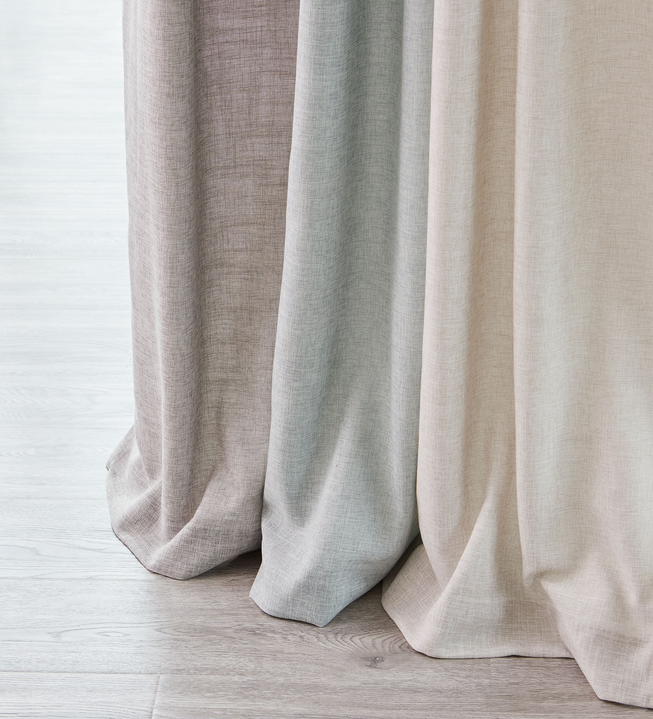
If you have linen curtains in your house, we can DEFINITELY clean them! Call us on 0800 579 05 01 if you have any questions!


🧩😏 Riddle me this, Neighbours…
I am an odd number. Take away a letter and I become even. What number am I?
Do you think you know the answer?
Want to stop seeing these in your newsfeed? No worries! Simply head here and click once on the Following button.


Some Choice News!
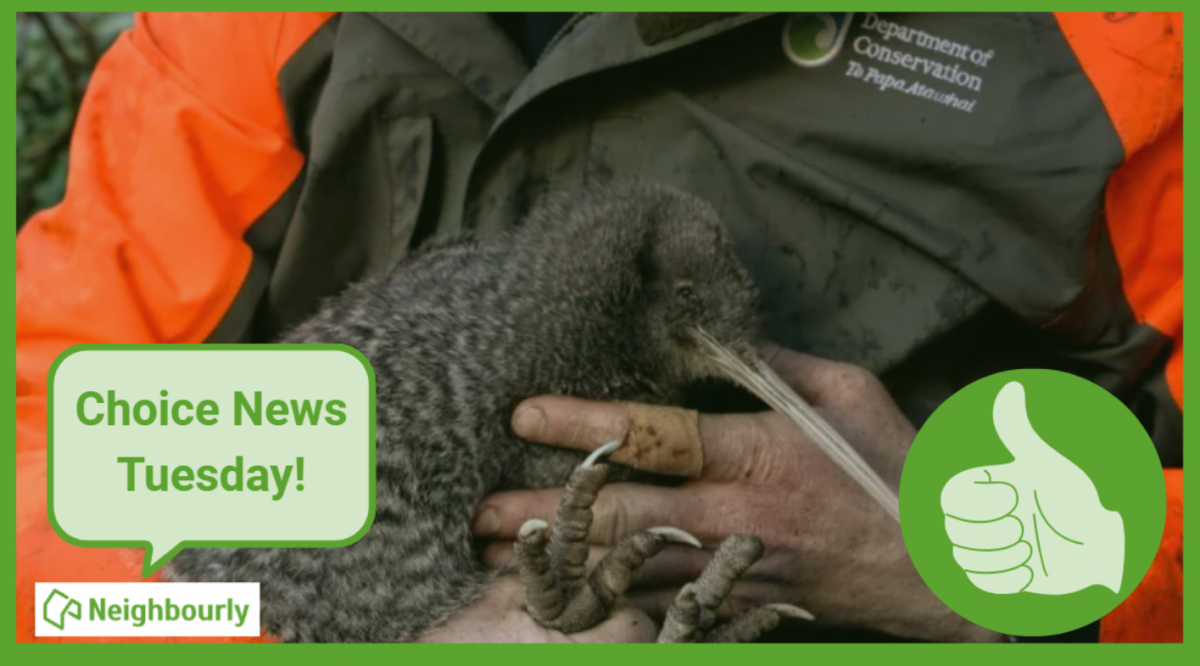
DOC is rolling out a new tool to help figure out what to tackle first when it comes to protecting our threatened species and the things putting them at risk.
Why does this matter? As Nikki Macdonald from The Post points out, we’re a country with around 4,400 threatened species. With limited time and funding, conservation has always meant making tough calls about what gets attention first.
For the first time, DOC has put real numbers around what it would take to do everything needed to properly safeguard our unique natural environment. The new BioInvest tool shows the scale of the challenge: 310,177 actions across 28,007 sites.
Now that we can see the full picture, it brings the big question into focus: how much do we, as Kiwis, truly value protecting nature — and what are we prepared to invest to make it happen?
We hope this brings a smile!

Poll: Are you still heading to your local for your caffeine fix, or has the $$ changed your habits? ☕
Wellington’s identity is built on its cafe culture, but with costs climbing, that culture is under pressure. We’ve seen the headlines about recent closures, and it’s a tough pill to swallow along with a $6+ coffee.
We all want our favourite spots to stay open, but we also have to balance our own budgets ⚖️
We want to know: How are you handling the "coffee math" in 2026? Are you still heading to your local for a chat and a caffeine fix, or has the cost of living changed your habits?
Keen to read more about "coffee math"? The Post has you covered.

-
42.4% I avoid spending money on coffee
-
46.4% I still indulge at my local cafe
-
11.2% Irrelevant - coffee is not for me
 Loading…