







How Often Should You Clean Your Curtains?
The frequency of cleaning curtains largely depends on a few factors such as the material of the curtains, their location, and the level of dust and pollutants in the air. As a general rule, it is recommended to clean your curtains every 6-12 months. Here are some reasons why:
1. Dust and allergens: Curtains can collect dust, dirt, and allergens over time. If you or anyone in your household suffers from allergies or asthma, it is especially important to clean your curtains regularly to prevent the accumulation of allergens that can trigger symptoms.
2. Stains and spills: Curtains can also become stained or soiled from spills, pet hair, or everyday use. Regular cleaning can help remove these stains and keep your curtains looking fresh and new.
3. Sun damage: Curtains can also become damaged over time from exposure to sunlight. Regular cleaning can help prevent sun damage and prolong the life of your curtains.
4. Odours: Curtains can also absorb odours from cooking, smoking, or pets. Regular cleaning can help eliminate these odours and keep your home smelling fresh.
However, curtains located in high-traffic areas, such as the living room or kitchen, may require more frequent cleaning, perhaps every three to six months. Curtains made of heavy fabrics, such as velvet or chenille, may also collect more dust and require more frequent cleaning.
In addition to regular cleaning, it is also recommended to vacuum your curtains regularly to remove dust and other particles. This can help to reduce the frequency of deep cleaning and extend the life of your curtains.


Poll: 🤖 What skills do you think give a CV the ultimate edge in a robot-filled workplace?
The Reserve Bank has shared some pretty blunt advice: there’s no such thing as a “safe” job anymore 🛟😑
Robots are stepping into repetitive roles in factories, plants and warehouses. AI is taking care of the admin tasks that once filled many mid-level office jobs.
We want to know: As the world evolves, what skills do you think give a CV the ultimate edge in a robot-filled workplace?
Want to read more? The Press has you covered!

-
52.5% Human-centred experience and communication
-
14.7% Critical thinking
-
30.1% Resilience and adaptability
-
2.7% Other - I will share below!

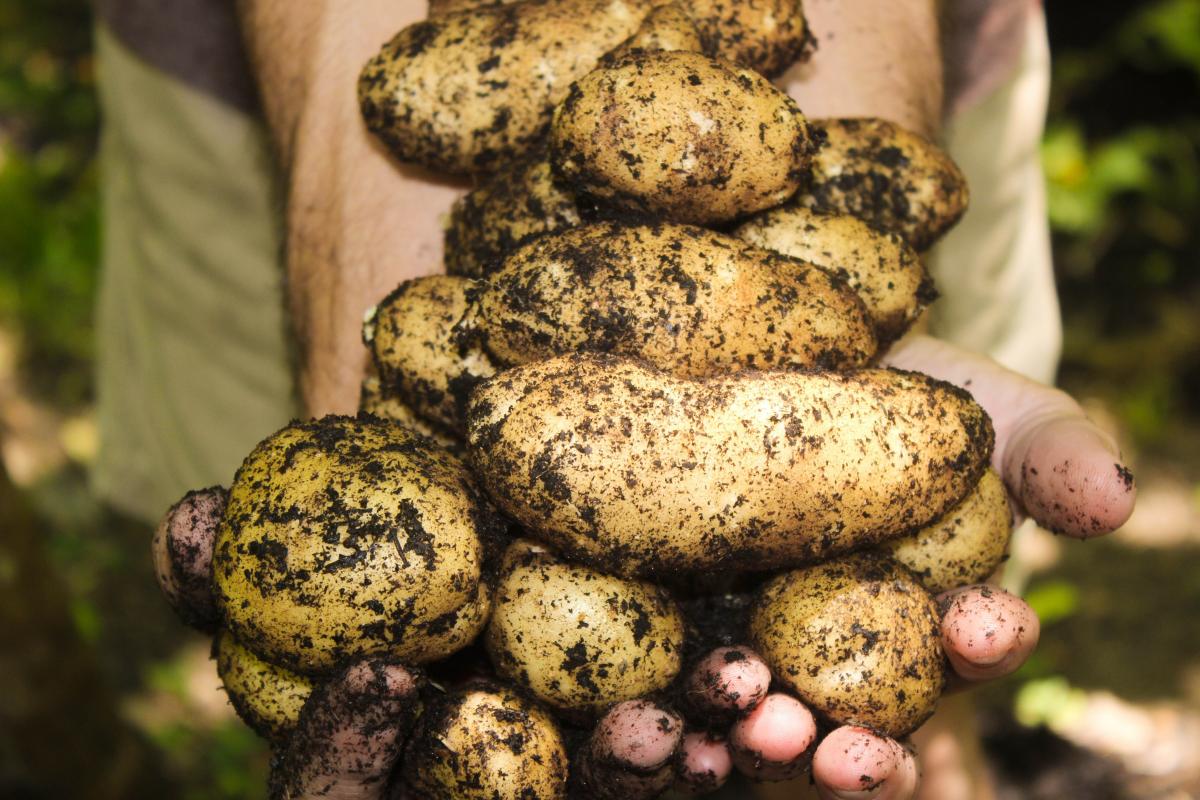
Share your favourite main crop potato recipe and win a copy of our mag!
Love potatoes? We will give away free copies of the May 2026 issue to readers whose potato recipes are used in our magazine. To be in the running, make sure you email your family's favourite way to enjoy potatoes: mailbox@nzgardener.co.nz, by March 1, 2026.

Some Choice News!
DOC is rolling out a new tool to help figure out what to tackle first when it comes to protecting our threatened species and the things putting them at risk.
Why does this matter? As Nikki Macdonald from The Post points out, we’re a country with around 4,400 threatened species. With limited time and funding, conservation has always meant making tough calls about what gets attention first.
For the first time, DOC has put real numbers around what it would take to do everything needed to properly safeguard our unique natural environment. The new BioInvest tool shows the scale of the challenge: 310,177 actions across 28,007 sites.
Now that we can see the full picture, it brings the big question into focus: how much do we, as Kiwis, truly value protecting nature — and what are we prepared to invest to make it happen?
We hope this brings a smile!

 Loading…