






How to Look After Your Upholstery
In this blog we discuss the most common upholstery problems that can arise in use. We will break each problem down, looking at what it is, the likely cause and recommended remedies and solutions to avoid future re-occurrence.
CROCKING: What is it? Crocking is the term used to describe the transfer of excess dye from one surface to another due to rubbing and friction. The issue is increased by certain atmospheric conditions such as humidity and temperature.
Likely cause: In a situation where the dye is transferring out of the upholstery fabric (for instance a red fabric is turning pink) it will usually be a result of either poor quality dyes used during textile manufacturing or that the dyes were not set correctly during the dyeing and finishing process. Crocking can also occur when dye is transferred from an outside source onto the upholstery fabric, for instance a pair of new jeans can transfer blue dye on to your sofa giving it a grubby appearance.
Remedy: The key thing to establish with crocking is whether the discolouration is due to dye transferring out of your upholstery fabric or on to it from an external source. If it is transferring out of the fabric then it is important to check that some substance e.g. a solvent based product, has not come into contact with the fabric and affected the dyes. If all of the above can be ruled out then a genuine fabric issue may be the cause and the fabric will need to be replaced from another batch or alternative fabric.
FADING: What is it? Discolouration or lightening of the dye in a fabric due to exposure to ultraviolet light. Constant exposure to high levels of direct ultraviolet light can also result in fibre degradation, causing the fabric fibres to become brittle, which may result in areas of breakage.
Keep reading: www.curtainclean.co.nz...


Poll: 🤖 What skills do you think give a CV the ultimate edge in a robot-filled workplace?
The Reserve Bank has shared some pretty blunt advice: there’s no such thing as a “safe” job anymore 🛟😑
Robots are stepping into repetitive roles in factories, plants and warehouses. AI is taking care of the admin tasks that once filled many mid-level office jobs.
We want to know: As the world evolves, what skills do you think give a CV the ultimate edge in a robot-filled workplace?
Want to read more? The Press has you covered!

-
52.5% Human-centred experience and communication
-
14.7% Critical thinking
-
30.1% Resilience and adaptability
-
2.7% Other - I will share below!

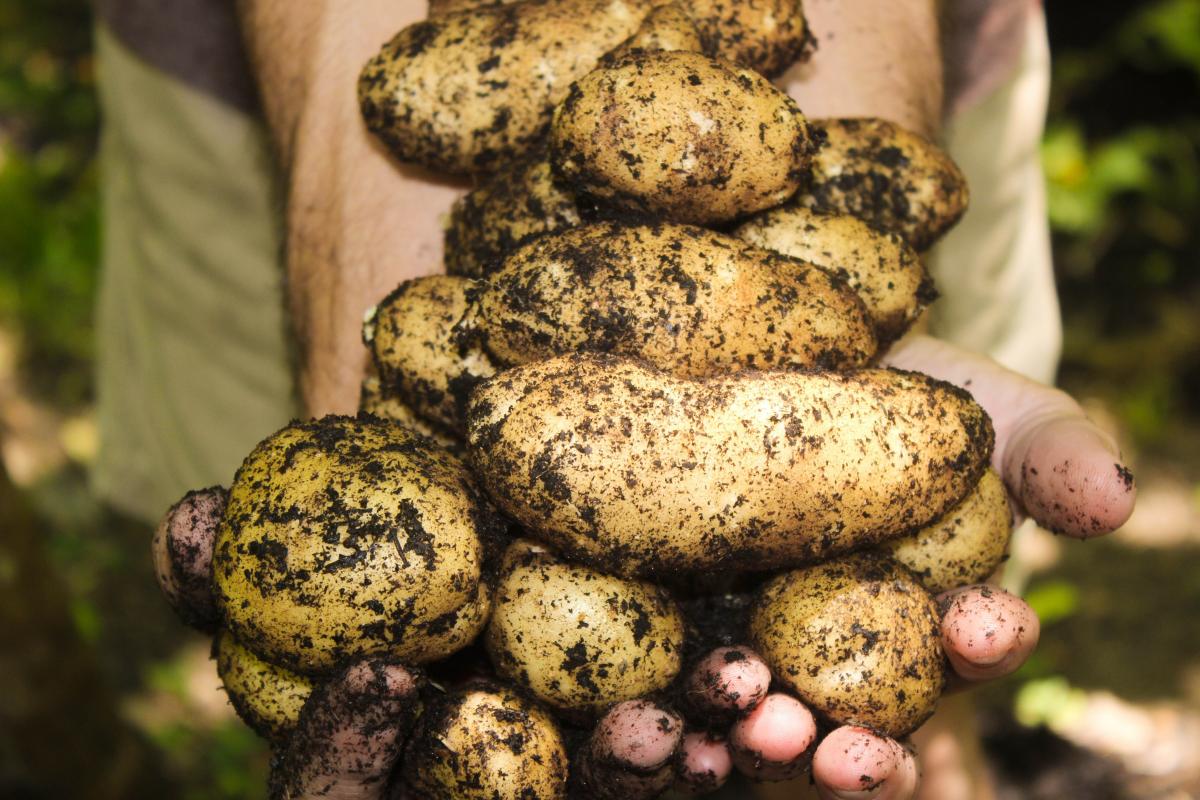
Share your favourite main crop potato recipe and win a copy of our mag!
Love potatoes? We will give away free copies of the May 2026 issue to readers whose potato recipes are used in our magazine. To be in the running, make sure you email your family's favourite way to enjoy potatoes: mailbox@nzgardener.co.nz, by March 1, 2026.

Some Choice News!
DOC is rolling out a new tool to help figure out what to tackle first when it comes to protecting our threatened species and the things putting them at risk.
Why does this matter? As Nikki Macdonald from The Post points out, we’re a country with around 4,400 threatened species. With limited time and funding, conservation has always meant making tough calls about what gets attention first.
For the first time, DOC has put real numbers around what it would take to do everything needed to properly safeguard our unique natural environment. The new BioInvest tool shows the scale of the challenge: 310,177 actions across 28,007 sites.
Now that we can see the full picture, it brings the big question into focus: how much do we, as Kiwis, truly value protecting nature — and what are we prepared to invest to make it happen?
We hope this brings a smile!

 Loading…