







Cleaning Tips to Give Your Second-Hand Furniture New Life
Whether it’s wood, cane, fabric or leather, give your second-hand finds a sparkling new lease of life with these cleaning tips and tricks.
Vintage furniture can sometimes need a little TLC before it’s displayed in your home, and pieces you’ve had for a while may also be ready for a spring clean. A quick wipe-down or wash will suffice for some things, but how do you tackle those harder-to-clean items?
Cane:
Cane chairs, tables, shelves and bedheads, with their small crevices, can be dust magnets. Fortunately, you can remove dust with a feather duster, or a vacuum cleaner with a brush attachment, and use an old toothbrush for hard-to-reach areas. To get rid of dirt, most items can be wiped down with a damp cloth, and stains tackled with a soft-bristled brush dipped in a mix of gentle dishwashing liquid and warm water. Make sure not to leave your cane furniture wet after cleaning as mould can grow. Dry it with a fan or leave outside in the sun.
Wood:
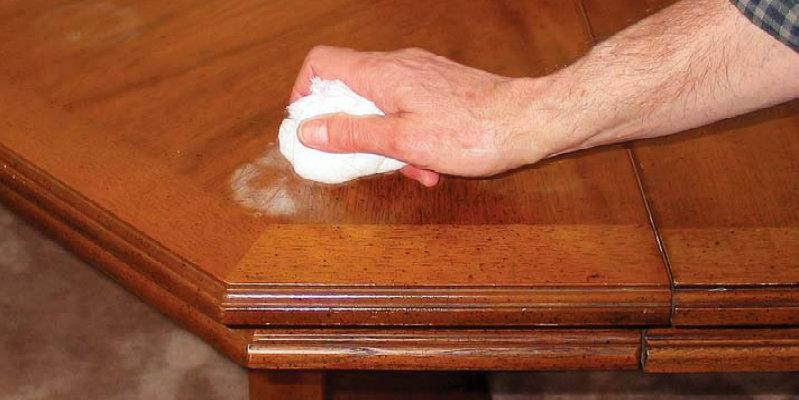
Dust wooden furniture gently with a soft cloth, or damp cloth if needed. According to the Smithsonian’s Museum Conservation Institute, wooden furniture should be cleaned only when there is a build-up of wax or dirt, and only unfinished wood, painted wood, or wood with a sturdy finish should be cleaned. Oily dirt or waxy residue can be removed with diluted mineral turpentine or a mix of mild detergent and water but take care this doesn’t affect the wood or finish (do a spot test somewhere unobtrusive first).
The Smithsonian recommends avoiding polishes, oils and beeswax, and to instead buff with a stable, hard furniture polish, no more than twice a year for areas of heavy wear, and once every three or four years for other areas. Most other products will do more harm than good as they cause a build-up over time which can be hard to remove.
Fabric and leather:
You can dust fabric or suede surfaces using the brush attachment of your vacuum cleaner (on low suction), and wipe leather with a soft, damp cloth. Don’t forget to clean in between the folds and creases of couches and chairs.
From dishwashing liquid to vinegar and baking soda, there are a number of household products you can use to attempt to get out a stain, but it is best to research the correct method for each specific item and type of stain and do a test first to ensure the product you’re using won’t damage the fabric.
Always dab rather than rub at the fabric to ensure you don’t weaken it. You may need to repeat the process a number of times to fully remove a stain, and stubborn stains may need to be seen to by a professional.

🧩😏 Riddle me this, Neighbours…
I am an odd number. Take away a letter and I become even. What number am I?
Do you think you know the answer?
Want to stop seeing these in your newsfeed? No worries! Simply head here and click once on the Following button.

Matt Joe Gow at Hilltop Saturday 28 February
Saturday 28/2 - 7pm for 7.30 Start. Americana/Alt.Country artist Matt grew up in Dunedin but these days calls the road his home, and over his impressive career has toured with Grant Lee Phillips, Chris Isaak and the late great Justin Townes Earle. Backed subtly by a finger picked guitar figure, his voice will mesmerise you and allow you to slip away from whatever it was you were doing. His musical style is influenced by folk, blues, and soulful rock while being firmly rooted in country. Come along for a lovely evening concert. www.hilltophouseconcerts.co.nz... ... All details sent with confirmation email.



Poll: 🤖 What skills do you think give a CV the ultimate edge in a robot-filled workplace?
The Reserve Bank has shared some pretty blunt advice: there’s no such thing as a “safe” job anymore 🛟😑
Robots are stepping into repetitive roles in factories, plants and warehouses. AI is taking care of the admin tasks that once filled many mid-level office jobs.
We want to know: As the world evolves, what skills do you think give a CV the ultimate edge in a robot-filled workplace?
Want to read more? The Press has you covered!

-
53% Human-centred experience and communication
-
14.6% Critical thinking
-
29.6% Resilience and adaptability
-
2.7% Other - I will share below!
 Loading…