




Natural Ageing of Fabrics in Upholstered Furniture
‘Just like ourselves, many fabrics will age gracefully and this is all part of their charm.’
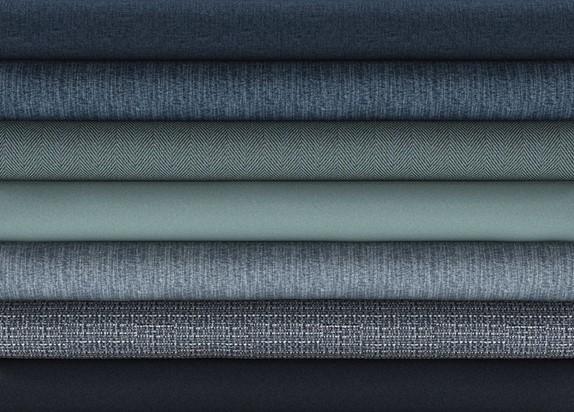
When purchasing a new piece of furniture, or reviving an old one, there are numerous factors to consider in addition to the initial look and feel of the fabric. The longevity of an item is relative to the environment in which it lives, it is important to research fabric types and the specific yarn type and construction to ensure that your selection aligns with your unique needs.
Due to regular wear and tear your furniture will show signs of aging, which may be accelerated by having unknowingly chosen a textile that is not fit for purpose. However, just like ourselves, many fabrics will age gracefully and this is all part of their charm.
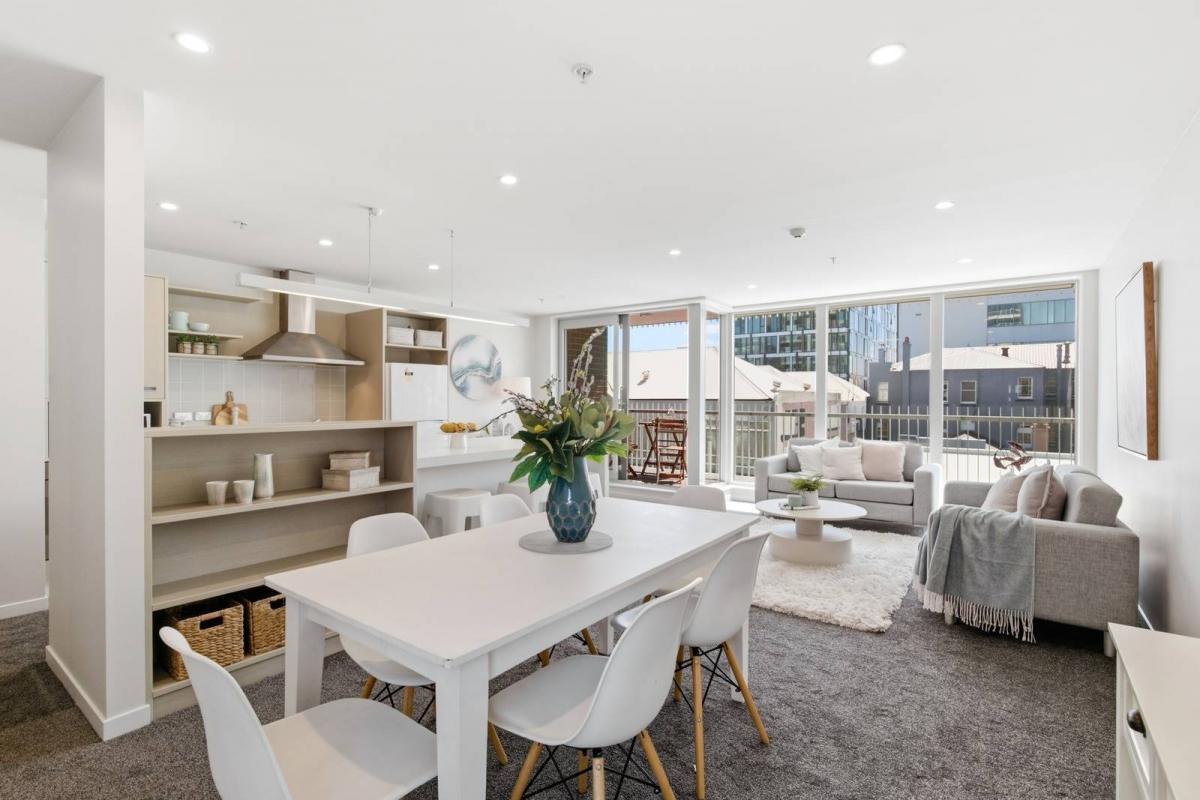
Ask and You Shall Receive: Before committing to a purchase it pays to consider not only what you want, but what you need from an item. Perhaps you want a two-seater couch in a natural colour with a textured weave, that will look beautiful in front of the Mizu Garden curtains you hung earlier in the year. While what you need, is a couch that is fit for a couple who live on a modest budget in a sunny villa, with young grandchildren who visit most weekends.
This is the brief that the interior design salesperson requires to suggest fabrics which will reward you with performance and beauty, while also managing your expectations about how the textiles will age. Allow us to help them to help you, by sending you in prepared.
Fabrics are all different. They can be constructed from natural fibres such as silk, cotton, linen, and viscose, or man-made fibres such as polyesters and acrylics, or a blend of each. Fabrics made from natural fibres have their own unique personality in the way they age and look after some wear, which can contribute to a design aesthetic. Natural constructions will not be as durable in the long-term as a synthetic textiles, because they are more susceptible to pilling, fading, seam slippage and staining. Therefore, a greater level of care is required.
Keep reading: www.curtainclean.co.nz...

Poll: Are you still heading to your local for your caffeine fix, or has the $$ changed your habits? ☕
Wellington’s identity is built on its cafe culture, but with costs climbing, that culture is under pressure. We’ve seen the headlines about recent closures, and it’s a tough pill to swallow along with a $6+ coffee.
We all want our favourite spots to stay open, but we also have to balance our own budgets ⚖️
We want to know: How are you handling the "coffee math" in 2026? Are you still heading to your local for a chat and a caffeine fix, or has the cost of living changed your habits?
Keen to read more about "coffee math"? The Post has you covered.

-
56.5% I avoid spending money on coffee
-
34.8% I still indulge at my local cafe
-
8.7% Irrelevant - coffee is not for me

🧩😏 Riddle me this, Neighbours…
I am an odd number. Take away a letter and I become even. What number am I?
Do you think you know the answer?
Want to stop seeing these in your newsfeed? No worries! Simply head here and click once on the Following button.


Some Choice News!
DOC is rolling out a new tool to help figure out what to tackle first when it comes to protecting our threatened species and the things putting them at risk.
Why does this matter? As Nikki Macdonald from The Post points out, we’re a country with around 4,400 threatened species. With limited time and funding, conservation has always meant making tough calls about what gets attention first.
For the first time, DOC has put real numbers around what it would take to do everything needed to properly safeguard our unique natural environment. The new BioInvest tool shows the scale of the challenge: 310,177 actions across 28,007 sites.
Now that we can see the full picture, it brings the big question into focus: how much do we, as Kiwis, truly value protecting nature — and what are we prepared to invest to make it happen?
We hope this brings a smile!

 Loading…