




The Benefits of Linen
Linen is most loved for its diversity, from a rustic and neutral look to soft and refined. It is often found in homes on upholstered and loose covered furniture, curtains, cushions, bedding and clothing. But did you know the benefits of linen run right down to the fibres?
How is Linen made?
Linen is an amazing natural fabric made from flax fibres and this process has been used to make linen for almost 6,000 years.
The plants are first removed from the ground by cutting or pulling and then the seeds are extracted though a process called winnowing or ripping. To separate the fibres from the flax plant itself, a natural process takes place called “retting” that utilizes bacteria to decompose the pectin that binds the fibre together.
Once the long fibres are removed they are brushed out into long strands that can then be spun into yarn and eventually woven into linen material.
The best part about this process is that it’s practically zero-waste. Anything that will not be used in the fabric manufacturing, such as the woody stalks of the flax plant and the roots, compost back into the soil and the seeds used to make linseed oil.
Benefits of Linen
Linen is Sustainable and Environmentally Friendly: Linen is a sustainable, natural fibre growing without the use of pesticides, fertilizers and additional watering. This also makes it a renewable resource, plus being a natural fibre it’s also biodegradable.
Producing linen has a smaller environmental impact than cotton, mainly as it needs little to no water consumption to grow. Also, as mentioned above, the production of linen is rarely wasteful.
Keep reading: www.curtainclean.co.nz...


Poll: Are you still heading to your local for your caffeine fix, or has the $$ changed your habits? ☕
Wellington’s identity is built on its cafe culture, but with costs climbing, that culture is under pressure. We’ve seen the headlines about recent closures, and it’s a tough pill to swallow along with a $6+ coffee.
We all want our favourite spots to stay open, but we also have to balance our own budgets ⚖️
We want to know: How are you handling the "coffee math" in 2026? Are you still heading to your local for a chat and a caffeine fix, or has the cost of living changed your habits?
Keen to read more about "coffee math"? The Post has you covered.

-
41.8% I avoid spending money on coffee
-
45.5% I still indulge at my local cafe
-
12.7% Irrelevant - coffee is not for me

Turning Streets into Stories
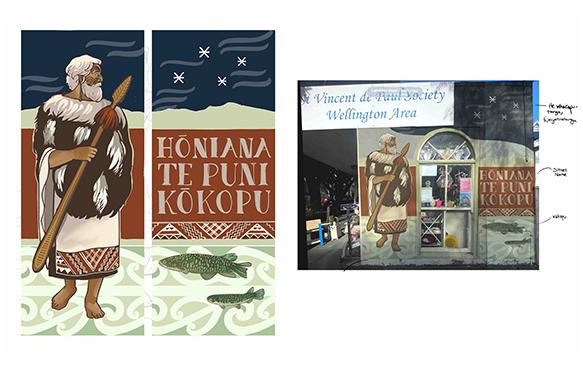
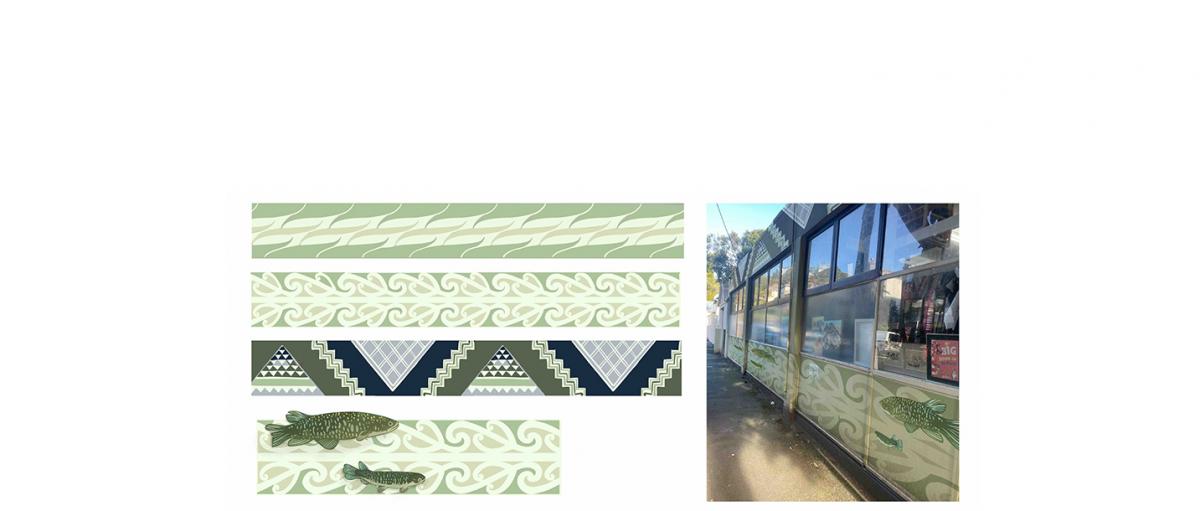
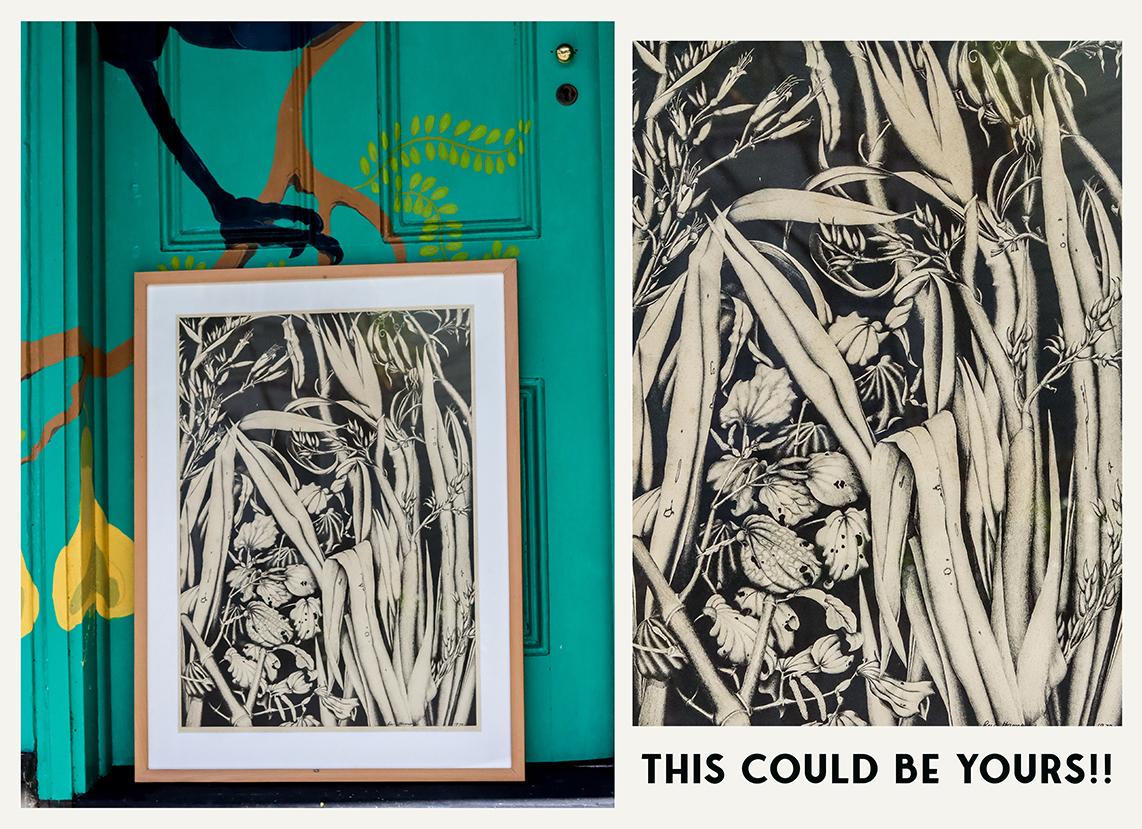
We are the Aro Valley Collective, a non- profit working to bring Art Murals to the Valley. We have a PledgeMe page up for the latest Art Mural and we are nearly at 75% of our goal. With 8 days to go we need some more support from Donors so we're reaching out to all lovers of Art, storytelling, nature and basically life!! The PledgeMe page has a video where the Artist Isobel Te Aho-White shares her vision for a stunning Mural that will encompass the St Vinnies Op Shop building, corner of Honiana Te Puni & Aro Streets. Please click through the PledgeMe link (below) to see the Video and if you wish to donate via another method, please get in touch. There's also a raffle that every donor goes into, a signed Rei Hamon print pictured below. Donated by David White, framed by Ron Barber. Our sponsors for materials: Resene and Bunnings. Many thanks Neighbours!
pledgeme.co.nz...

Some Choice News!
DOC is rolling out a new tool to help figure out what to tackle first when it comes to protecting our threatened species and the things putting them at risk.
Why does this matter? As Nikki Macdonald from The Post points out, we’re a country with around 4,400 threatened species. With limited time and funding, conservation has always meant making tough calls about what gets attention first.
For the first time, DOC has put real numbers around what it would take to do everything needed to properly safeguard our unique natural environment. The new BioInvest tool shows the scale of the challenge: 310,177 actions across 28,007 sites.
Now that we can see the full picture, it brings the big question into focus: how much do we, as Kiwis, truly value protecting nature — and what are we prepared to invest to make it happen?
We hope this brings a smile!

 Loading…