




The Halt All Racist Tours movement at 50: the power of protest
Date: Saturday, 12 October, 2019
Time: 9:30am to 1:30pm
Cost: $10 door sales
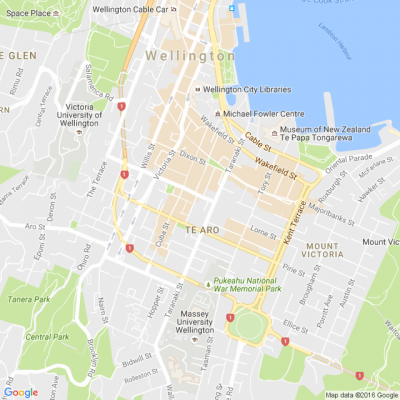
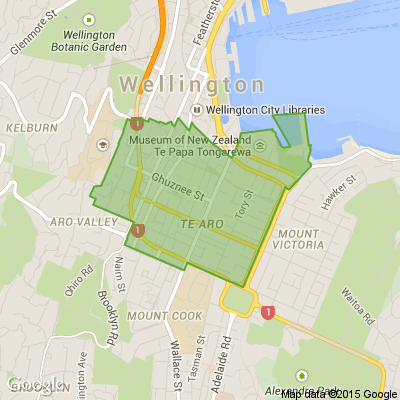
Location: Taiwhanaga Kahau — Auditorium (lower ground floor), Corner Molesworth and Aitken Streets, Wellington. Entrance on Aitken Street.
Prominent New Zealand activists discuss the importance and future of protest and dissent
50 years on from the formation of the Halt All Racist Tours movement (HART), join prominent New Zealand activists for a discussion on the importance and future of protest and dissent.
Protest and how it changed New Zealand
The years between 1969 and 1985 irrevocably changed New Zealand and the way we see ourselves and the wider world.
From the 1969 formation of HART to the cancellation of the 1973 tour, the 1976 Montreal Olympic boycott, the 56 days of unprecedented protest against the 1981 Springboks rugby tour to the decision by the New Zealand High Court to grant an injunction stopping the All Blacks from touring South Africa in 1985, New Zealand was at war with itself.
HARTS’s protest and what did it achieve
By 1981, the issue of sporting contact with South Africa, for a long time a litmus test for a wide-ranging set of New Zealand values, had become, sublimely at least, more about New Zealand than South Africa.
As New Zealand moved from being a grey, conservative, post second world-war society to a country with a more bi-cultural approach to domestic race issues and a more liberal, internationalist approach to world issues, what was the role played by HART and other anti-apartheid and anti-racist groups to effecting this change? How powerful was HART’s protest and what did it achieve?
Join us for a dynamic exchange of ideas focussing on the past and present with a view to the future.
About the speakers
Sessions will be chaired by Simon Wilson and Rosslyn Noonan. Presenters include:
•Sue Bradford — activist, academic and former New Zealand politician
•Bob Burgess — former New Zealand Rugby player, All Black from 1971 to 1973
•Linda Burgess — short story writer, script and televisions writer, novelist and reviewer
•Moana Jackson — lawyer specialising in Treaty of Waitangi and constitutional issues
•Trevor Richards — HART founding chairman
•John Minto — national organiser of HART
•Dave Wickham — sports fanatic HART activist
•Morgan Godfery — writer and trade unionist

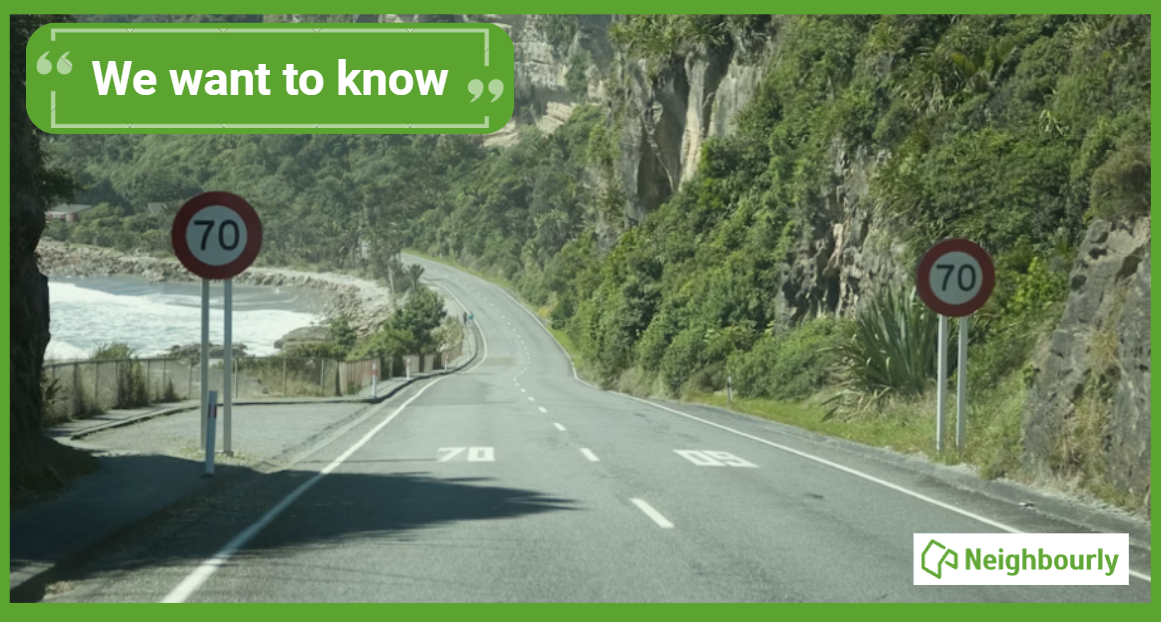
Poll: If we want to reduce speeding, what do you think actually changes driver behaviour? 🛻🚨🚓
In the Post's article on speeding penalties, the question is asked whether speeding fines are truly about road safety, or are they just a way to boost revenue for the Crown?
What do you think? Should speeding motorists receive speeding fines or demerit points?
-
31.7% The sting of a fine (Money talks!)
-
68.3% The threat of demerit points (Nobody wants to lose their license!)
Poll: Are you still heading to your local for your caffeine fix, or has the $$ changed your habits? ☕
Wellington’s identity is built on its cafe culture, but with costs climbing, that culture is under pressure. We’ve seen the headlines about recent closures, and it’s a tough pill to swallow along with a $6+ coffee.
We all want our favourite spots to stay open, but we also have to balance our own budgets ⚖️
We want to know: How are you handling the "coffee math" in 2026? Are you still heading to your local for a chat and a caffeine fix, or has the cost of living changed your habits?
Keen to read more about "coffee math"? The Post has you covered.

-
46.4% I avoid spending money on coffee
-
44.1% I still indulge at my local cafe
-
9.5% Irrelevant - coffee is not for me

Addictive Eaters Anonymous
How much does it cost to join AEA?
There are no dues or fees for joining AEA or attending AEA meetings. We are self-supporting through our own voluntary contributions. At some point during each meeting we pass the basket to help cover expenses, such as the cost of rent and literature. Members are not obliged to contribute, but we usually do so to the extent we are able.
 Loading…