




Stories behind the book — 'Tatau: A History of Samoan Tattooing'
The Public History Talks are hosted by the Ministry for Culture & Heritage History Group at the National Library of New Zealand. They are usually held on the first Wednesday of the month from March to November
Date: Wednesday, 5 June, 2019
Time: 12:10pm to 1:00pm
Cost: Free. You don't need to book.
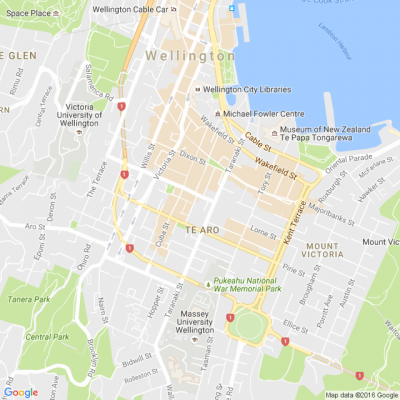
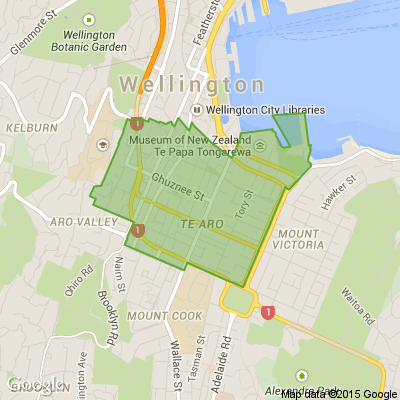
Location: Te Ahumairangi (ground floor), National Library, corner Molesworth and Aitken Streets, Thorndon
Hear Ockham winning author Sean Mallon talk about his book
In this talk, Sean discusses the book’s development and its key themes with reference to specific and some possibly surprising stories.
Tatau won the Illustrated Non-Fiction Award at the 2019 Ockham Awards.
3000 years of Samoan tatau
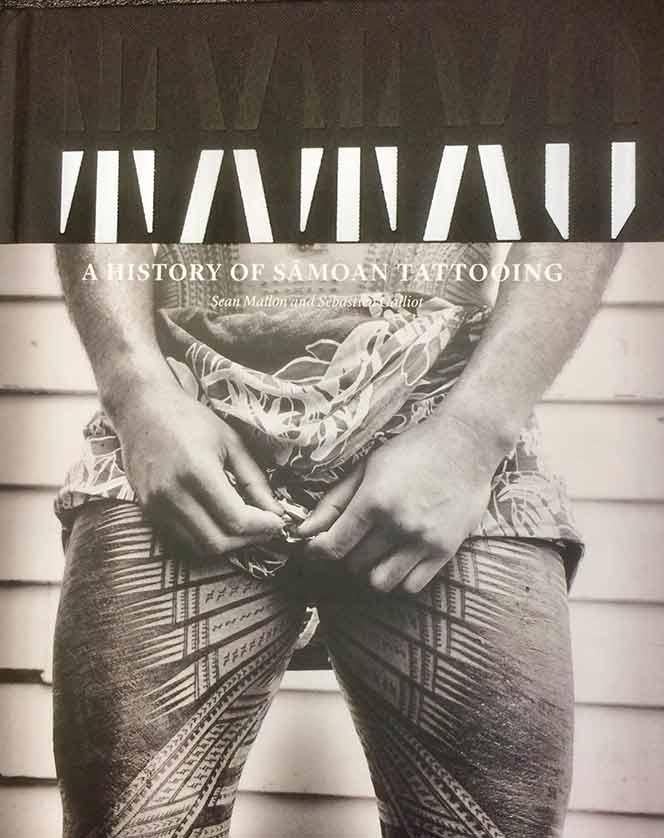
The Samoan Islands are virtually unique in that tattooing has been continuously practiced with indigenous techniques: the full male tattoo, the pe’a has evolved in subtle ways in its design since the nineteenth century, but remains as elaborate, meaningful, and powerful as it ever was. This cultural history is the first publication to examine 3000 years of Samoan tatau.
Through a chronology rich with people, encounters and events it describes how Samoan tattooing has been shaped by local and external forces of change over many centuries. It argues that Samoan tatau has a long history of relevance both within and beyond Samoa, and a more complicated history than is currently presented in the literature.
The book is richly illustrated with historical images of nineteenth and twentieth century Samoan tattooing, contemporary tattooing, diagrams of tattoo designs and motifs, and with supplementary photographs such as posters, ephemera, film stills and artefacts.
About the speaker
Sean Mallon, who is of Sāmoan (Mulivai, Safata) and Irish descent, is Senior Curator Pacific Cultures at the Museum of New Zealand Te Papa Tongarewa.
He is a co-author of both 'Tangata o le Moana: The story of New Zealand and the people of the Pacific' (Te Papa Press, 2012) and 'Art in Oceania: A new history' (2012), which was awarded the Authors’ Club’s Art Book Prize.
Sean has been a council member of The Polynesian Society since 2008.
Image: Cover of 'Tatau: A History of Sāmoan Tattooing' by Sean Mallon & Sébastien Galliot (Te Papa Press, 2018)

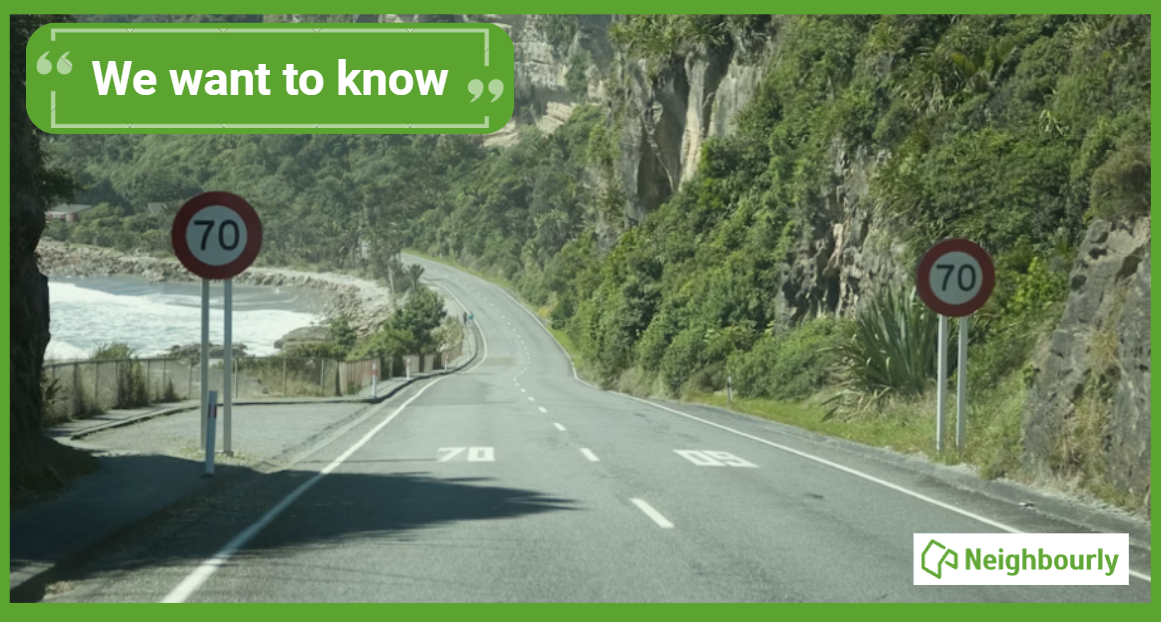
Poll: If we want to reduce speeding, what do you think actually changes driver behaviour? 🛻🚨🚓
In the Post's article on speeding penalties, the question is asked whether speeding fines are truly about road safety, or are they just a way to boost revenue for the Crown?
What do you think? Should speeding motorists receive speeding fines or demerit points?
-
36.3% The sting of a fine (Money talks!)
-
63.7% The threat of demerit points (Nobody wants to lose their license!)
Scam Alert: Bank cold calls
ASB is warning customers about reports of cold calls from scammers claiming to be from ASB. These scammers are trying to obtain personal information, including usernames, dates of birth, and verification codes sent to your mobile phone.
🛡️ The "Caller Check" Test
If you get a call from someone claiming to be from ASB and you’re unsure, just ask them for a Caller Check. You will then be able to verify the call through the app.
Remember, banks will:
❌ Never ask for your banking passwords, PINs, or verification codes
❌ Never need to know your full credit card number – especially the CVC
❌ Never ask you to download software or remotely access your device
❌ Never ask you to purchase gift cards or transfer funds.
If you have received a phone call and think your account has been compromised, call ASB on 0800 ASB FRAUD (0800 272 372), or visit your local branch.


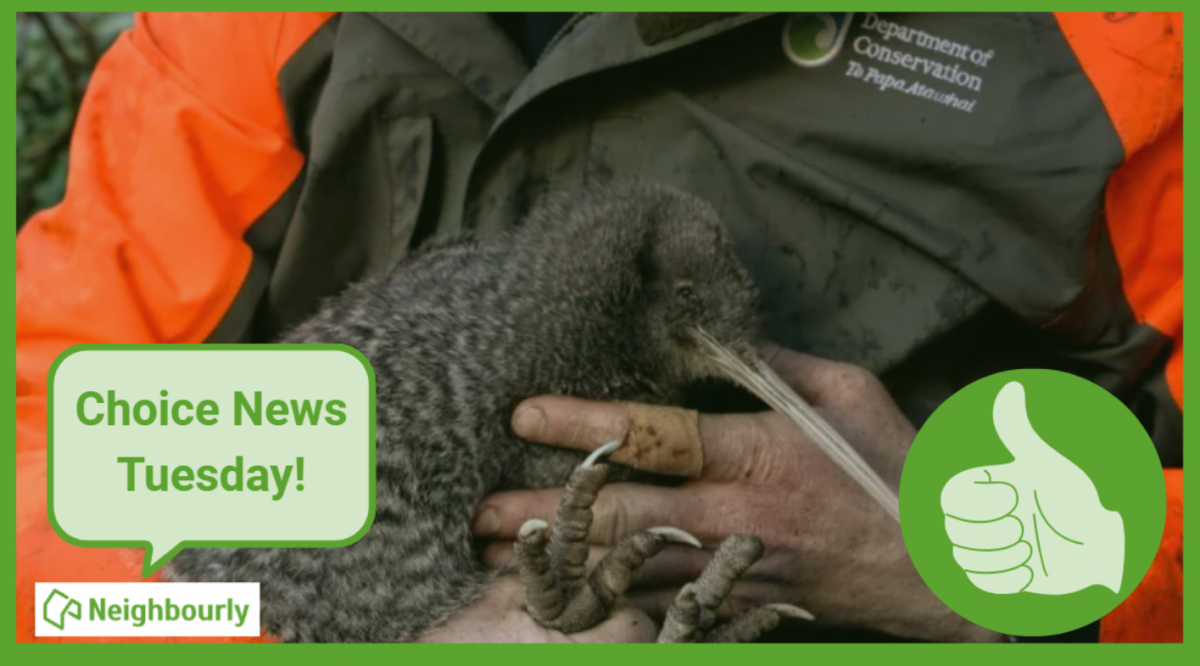
Some Choice News!
DOC is rolling out a new tool to help figure out what to tackle first when it comes to protecting our threatened species and the things putting them at risk.
Why does this matter? As Nikki Macdonald from The Post points out, we’re a country with around 4,400 threatened species. With limited time and funding, conservation has always meant making tough calls about what gets attention first.
For the first time, DOC has put real numbers around what it would take to do everything needed to properly safeguard our unique natural environment. The new BioInvest tool shows the scale of the challenge: 310,177 actions across 28,007 sites.
Now that we can see the full picture, it brings the big question into focus: how much do we, as Kiwis, truly value protecting nature — and what are we prepared to invest to make it happen?
We hope this brings a smile!
 Loading…