





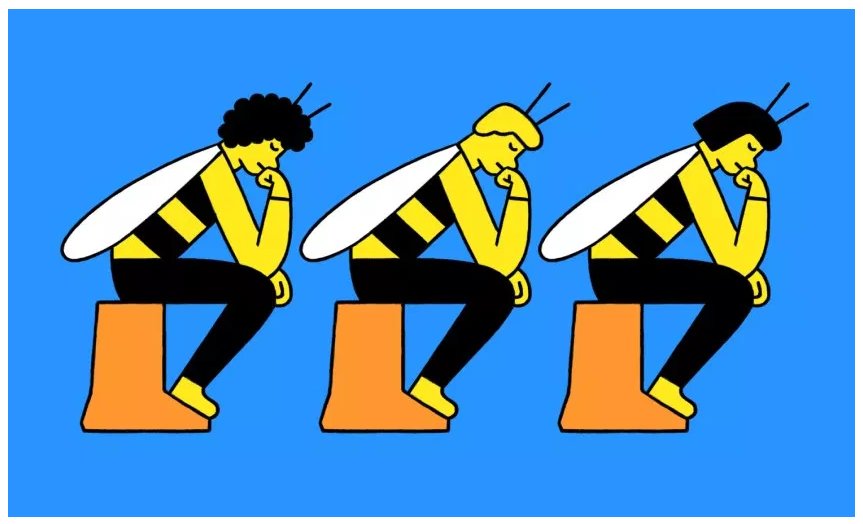
If you want to tackle big problems, try thinking like a bee!
So you've woken up and decided to take on that BIG problem, perhaps its helping homeless dogs or fighting climate change.
Yet as much as you'd like to act, you're stopped by some persistant piping doubts: where do I start? And even if I do something, will it really matter?
Maybe its time to look to the humble honeybee for inspiration.
Most of the the lifespan of a worker bee (6 weeks in summer) is spent gathering nectar to make honey.
A bee makes only 1/12th of a teaspoon of honey in her lifetime - a tiny fraction of the many kilograms a colony needs to survive. The most remarkable thing isn't that she does the work but that she doesn't even do it for herself. A bee won't directly benefit from the honey she makes; instead it will allow future generations to survive after she is gone.
This too is how we can change the world - not by worrying about the size of our contributions but getting in and joining with others.
Keep making honey - Your 1/12th of a teaspoon counts!

Poll: 🤖 What skills do you think give a CV the ultimate edge in a robot-filled workplace?
The Reserve Bank has shared some pretty blunt advice: there’s no such thing as a “safe” job anymore 🛟😑
Robots are stepping into repetitive roles in factories, plants and warehouses. AI is taking care of the admin tasks that once filled many mid-level office jobs.
We want to know: As the world evolves, what skills do you think give a CV the ultimate edge in a robot-filled workplace?
Want to read more? The Press has you covered!

-
52.7% Human-centred experience and communication
-
14.6% Critical thinking
-
30% Resilience and adaptability
-
2.7% Other - I will share below!

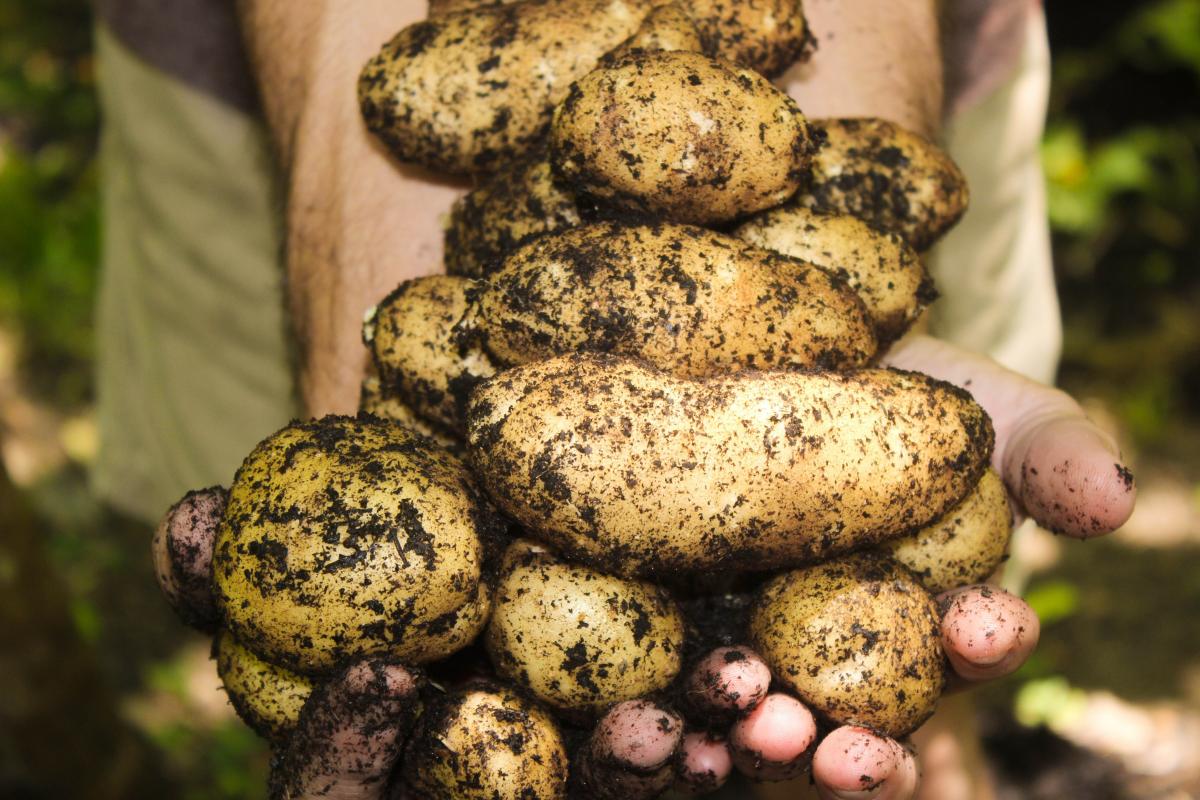
Share your favourite main crop potato recipe and win a copy of our mag!
Love potatoes? We will give away free copies of the May 2026 issue to readers whose potato recipes are used in our magazine. To be in the running, make sure you email your family's favourite way to enjoy potatoes: mailbox@nzgardener.co.nz, by March 1, 2026.

Some Choice News!
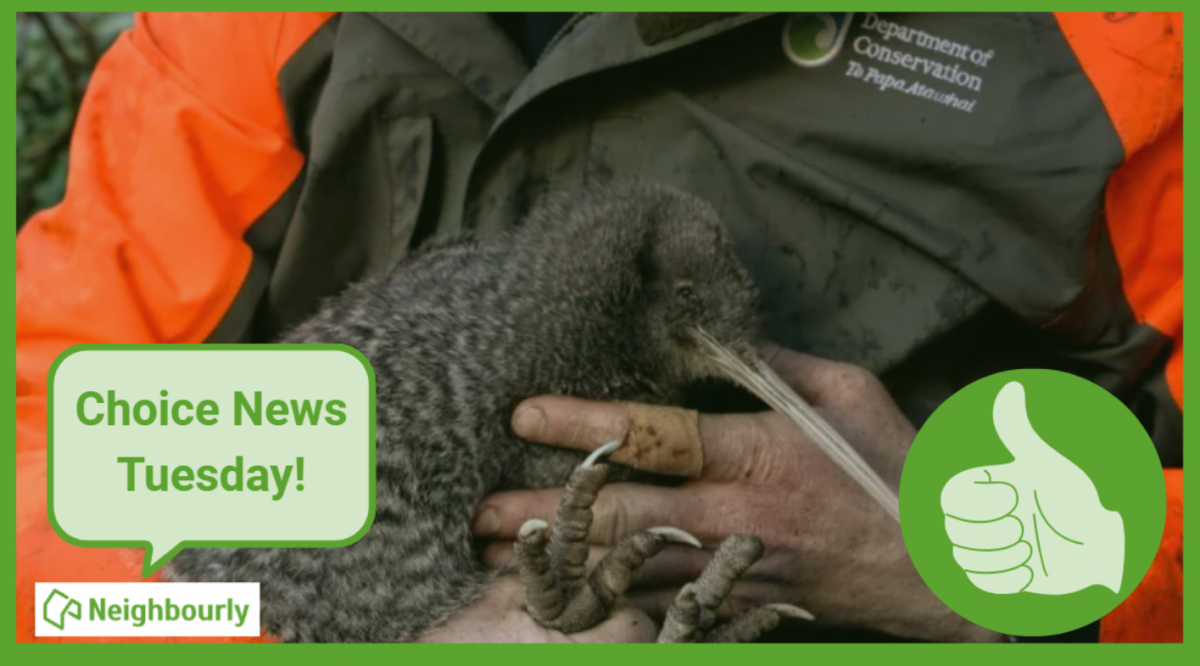
DOC is rolling out a new tool to help figure out what to tackle first when it comes to protecting our threatened species and the things putting them at risk.
Why does this matter? As Nikki Macdonald from The Post points out, we’re a country with around 4,400 threatened species. With limited time and funding, conservation has always meant making tough calls about what gets attention first.
For the first time, DOC has put real numbers around what it would take to do everything needed to properly safeguard our unique natural environment. The new BioInvest tool shows the scale of the challenge: 310,177 actions across 28,007 sites.
Now that we can see the full picture, it brings the big question into focus: how much do we, as Kiwis, truly value protecting nature — and what are we prepared to invest to make it happen?
We hope this brings a smile!
 Loading…