




URGENTLY SEEKING CONTENT FOR THE NEXT NEWSLETTER ISSUE!
• We are looking for CONTENT for issue 12 of Pānui Te Motu Kairangi - please send your content in by 7 MAY!
• We are also looking for COVER ART, get your creative groove on and send something in to us! You could be the cover of issue 12. #worldfamous in Te Motu Kairangi
Please spread the word to your friends, whānau, workmates, walking buddies!
(Pictured are past copies of the community newsletter Pānui Te Motu Kairangi (issues 9 and 11 are missing)).
Send in to the editor: ha@mmcc.org.nz


Brain Teaser of the Day 🧠✨ Can You Solve It? 🤔💬
Make a hearty dish. Take just half a minute. Add four parts of kestrel. Then just add one. What have you made?
(Trev from Silverdale kindly provided this head-scratcher ... thanks, Trev!)
Do you think you know the answer? Simply 'Like' this post and we'll post the answer in the comments below at 2pm on the day!
Want to stop seeing these in your newsfeed? No worries! Simply head here and click once on the Following button.


Poll: Should the government levy industries that contribute to financial hardship?
As reported in the Post, there’s a $30 million funding gap in financial mentoring. This has led to services closing and mentors stepping in unpaid just to keep helping people in need 🪙💰🪙
One proposed solution? Small levies on industries that profit from financial hardship — like banks, casinos, and similar companies.
So we want to hear what you think:
Should the government ask these industries to contribute?

-
59.5% Yes, supporting people is important!
-
26.1% No, individuals should take responsibility
-
14.3% ... It is complicated

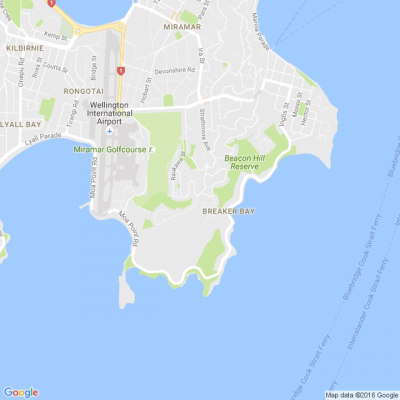
Moa Point Wastewater Treatment Plant update
UPDATE 22 16/02/2026: WASTEWATER TREAMENT PLANT - Moa Point - Discharge
Incident Controller: Sam Lister/Garry Butler
Operations Lead: Dave Neru (Veolia)
Technical Advisor: Steve Hutchison / Amy Smith Environmental Lead: Jude Chittock
Stakeholder Comms: Sam Wohlers
External Comms: John Donnachie
Iwi Liaison: Talia Rei
Kia ora Koutou,
Steady progress is being made at the Moa Point Wastewater Treatment Plant to clean the plant, reduce the impact of odour and inspect the damage.
Use of the short outfall pipe
As expected, the wet weather has caused an increase in network flows, some of which has been diverted to the short outfall.
The short outfall was in use between 10:30pm and 1:30am last night (15th February).
The short outfall began to be used again this morning at approximately 10am. Due to the weather conditions, we expect the short outfall to be used intermittently for at least the next 24 hours.
Current situation
The plant is using both the long outfall pipe and short outfall pipe. Due to the weather conditions, we expect the short outfall to be used intermittently as required. Screened wastewater is being discharged through the long outfall, and unscreened wastewater through the short outfall. The majority of the flow is being discharged through the long outfall.
Screening removes solid items like wipes and sanitary products, but the wastewater has not gone through biological or ultraviolet treatment. To help reduce the amount of unscreened material from the short outfall pipe, please avoid flushing non-biodegradable items such as wipes and sanitary products.
The wet weather has also made it hazardous for sampling, and planned beach patrols. To keep our people safe, sampling and patrols have been called off and will resume tomorrow.
This means that we will not publish sampling results for Monday 16th February. The sampling results provided today are for Saturday 14th February.
Work onsite
Workers are onsite at Moa Point, continuing to assess the damage, work to manage odour, and manage network flows.
Workers are following enhanced risk control protocols which enable them to work safely in the plant. This includes additional personal protective equipment (PPE), and thorough task-based risk analysis for the specific tasks being undertaken. Current protocols include respiratory protective equipment with hydrogen sulphide filters, disposable overalls, and personal gas detectors. These precautions are above the standard operating procedures at the plant. As the work continues and the risk reduces, more workers will be able to access site, though strict health and safety protocols will still be required.
Reducing levels of hydrogen sulphide at the plant has been vital, both for the safety of our workers, and reducing the impact of odour on the community. Recent hydrogen sulphide monitoring has confirmed low to no levels of hydrogen sulphide onsite. Hydrogen sulphide has a ‘rotten egg’ smell, and at very high levels can pose a safety risk. Hydrogen sulphide at the levels observed at the plant does not pose a risk to the public.
The plant is continuing to discharge screened wastewater through the long outfall pipe. This means solid items like wipes and sanitary products are removed, but the wastewater has not gone through biological or ultraviolet treatment.
Public health advice
Public health advice remains consistent: Untreated wastewater poses a high risk to public health. We strongly advise the community to stay away from the south coast beaches.
In windy conditions, there is a low risk that sea spray containing bugs could cause illness. It is best to avoid areas close to the area where the sewage is discharging when the wind is blowing sea spray onto the shore. In conditions with large wave action and strong wind, as a precaution keep windows closed. The biggest risk to health is from direct contact with the water such as swimming.
If you develop symptoms such as vomiting, diarrhoea, fever, cough, rash, irritation of the ear, nose or throat, seek medical attention and inform the healthcare provider of your possible contact with sewage. Healthline is a free over-the phone health service available 24 hours a day, 7 days a week on 0800 611 116.
Odour
The low-to-no levels of hydrogen sulphide observed on site and the strong winds mean that low odour is expected around the plant and in the surrounding community. However, increased odour is an ongoing concern and our work to reduce the risk of odour continues. Odour will be more noticeable while the plant odour and ventilation equipment is offline and screening is working in a temporary configuration.
In order to reduce the level of odour experienced by the community, we are cleaning the plant, flushing the plant’s tanks of biological material/waste and trucking screenings offsite, and using odour neutralising equipment. We have odour monitors measuring the impact at sites surrounding the plant.
Sampling update for 16 February
Wellington Water has released the results of water sampling taken on Saturday 14 February, between 8.00am and 11.20am, around the Moa Point Wastewater Treatment Plant short outfall pipe and southern coast beaches.
Sampling will not be taking place today due to the health and safety risk however this will recommence when possible.
We will continue to sample and publish results until further notice.
Key points for 16 February
· Discharge from the short outfall bypasses the screening process, meaning the discharge would include solid material such as wipes and period products. It would also mean wastewater is entering the ocean much closer to shore.
· The combination of rain and strong southerly winds may increase the likelihood of untreated wastewater being pushed towards the shoreline.
· As expected, due to the weather conditions, we are starting to see some high levels of Enterococcus (bacteria) in the sampling results.
· Rain effects the water quality across all of Wellington due to discharge from the rivers which are affected by pollutants from rural and urban run-off.
· Frequently asked questions regarding sea spray have been answered by public health officials, and are available on our website: www.wellingtonwater.co.nz... please scroll down to the Public Health FAQs section.
· The sampling results from Sunday 15 February will be available Tuesday 17 February, these will provide more information regarding any changes which may have taken place due to the weather.
· Please note, Owhiro Bay sampling results are not related to the Moa Point discharge incident. These elevated levels reflect ongoing variable quality in the Owhiro Stream, please refer to existing warning on LAWA website.
· Testing for harmful bacteria in seawater takes time. Samples have to be grown in a laboratory for a minimum of 24 hours in order to be accurately measured, and those results need to be reviewed so they are as reliable as possible to inform decisions about public health.
· Sampling provides a snapshot of water conditions. Results can vary significantly even across samples taken in close proximity of time or location.
· That is why we cannot draw conclusions about current conditions from one day’s data.
· In addition, Moa Point wastewater treatment plant continues to discharge screened, but untreated, wastewater into the environment via the long outfall pipe.
· Given these factors, the risk to public health from swimming, surfing, boating or gathering and eating kai moana remains too unpredictable to change the current guidance.
· Water sampling results are only one component used to assess the overall public health risk. Wellington Water is working with Wellington City Council, Greater Wellington Regional Council, Health NZ and technical experts to regularly review this guidance.
· Keeping people safe is our number one priority, and so public health officials recommend people follow the current advice to avoid getting sick.
· There is no evidence to suggest the discharge from Moa Point Treatment Plant is reaching the inner harbour.
· LAWA remains the best source of information for safe swimming at beaches outside the rāhui area: www.lawa.org.nz....
· Avoid swimming for at least 2-3 days after heavy or prolonged rain, even for sites that have good water quality.
 Loading…