





Dead Letters, Great War Stories
Personal experiences of WW1
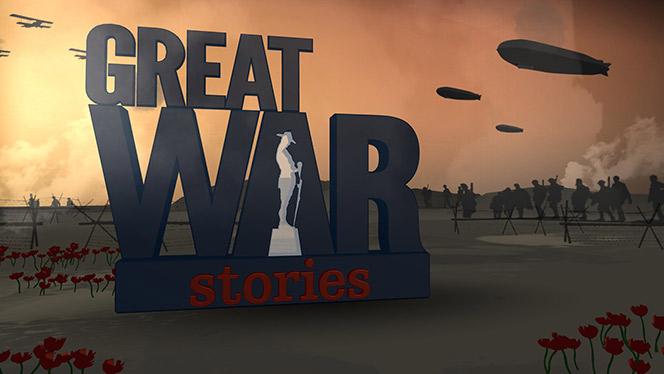
Using stories, letters and film, Dead Letters, Great War Stories brings to vivid life the personal experiences of the First World War.
Date: Wednesday, 24 April, 2019
Time: 12:00pm to 1:00pm
Cost: Free. You don't need to book.
Location: Te Ahumairangi (ground floor), National Library, corner Molesworth and Aitken Streets, Thorndon
Domestic censorship in New Zealand 1914 to 1920
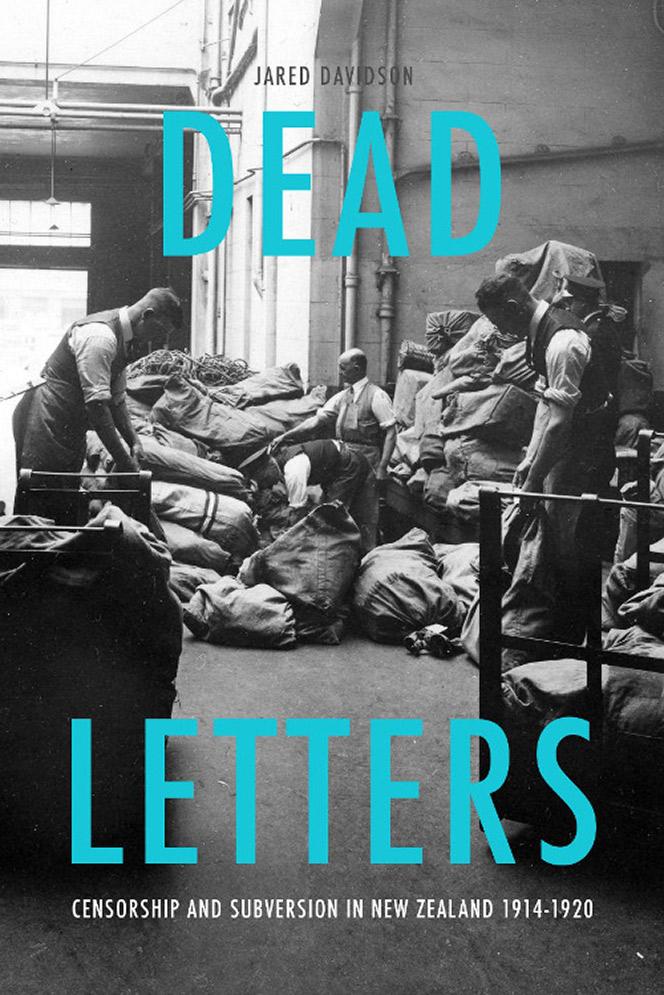
Hear from archivist and historian Jared Davidson, who has just published Dead Letters: Censorship and Subversion in New Zealand 1914-1920 (Otago University Press), revealing the impact of domestic censorship on the lives of radicals, writers, and everyday people during wartime and beyond.
'Haiku' film documentaries about the Great War
Then enjoy a selection of films from Anna Cottrell’s TV series Great War Stories, which reveal moving personal stories in letters and diaries, including some that escaped the censors.
Great War Stories consist of five TV series of short personal stories told through letters and diaries, many held in the ATL, some from whānau.
Among eight ‘haiku’ documentaries are Leonard Hart’s harrowing letter about the horrors of Passchendaele that evaded the censors; and Te Puea’s refusal to send her men to fight ‘white men’s wars’.
Another victim of the State was young Victor Spencer, shot at dawn for desertion in spite of his letter pleading poor mental health.
After reading a family diary Gareth Farr, composer, wrote a cello concerto for three relatives killed on the Western Front. Katherine Mansfield writes movingly about the death of her brother Leslie Beauchamp
About the speakers
An archivist by day and labour historian by night, Jared Davidson is an award-winning writer based in Wellington, New Zealand. Through social biography and history from below, Jared explores the lives of people often overlooked by traditional histories — from working-class radicals of the early twentieth century to prison convicts of the nineteenth.
Anna Cottrell’s been making documentaries for over 25 years. She hunts out people with a good story who face life’s challenges with courage and humour. Examples of this include her documentaries Wahine Disaster, 50 Years On (2018) and The Kiwi the Knight and the Qashqai (2018

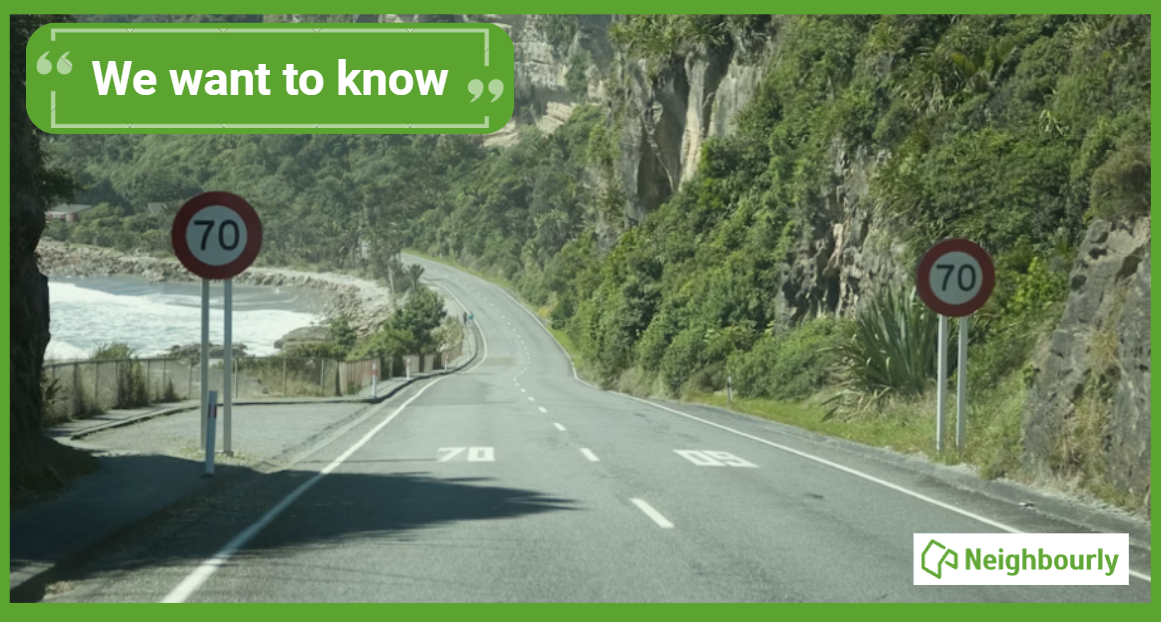
Poll: If we want to reduce speeding, what do you think actually changes driver behaviour? 🛻🚨🚓
In the Post's article on speeding penalties, the question is asked whether speeding fines are truly about road safety, or are they just a way to boost revenue for the Crown?
What do you think? Should speeding motorists receive speeding fines or demerit points?
-
30.2% The sting of a fine (Money talks!)
-
69.8% The threat of demerit points (Nobody wants to lose their license!)
Poll: Are you still heading to your local for your caffeine fix, or has the $$ changed your habits? ☕
Wellington’s identity is built on its cafe culture, but with costs climbing, that culture is under pressure. We’ve seen the headlines about recent closures, and it’s a tough pill to swallow along with a $6+ coffee.
We all want our favourite spots to stay open, but we also have to balance our own budgets ⚖️
We want to know: How are you handling the "coffee math" in 2026? Are you still heading to your local for a chat and a caffeine fix, or has the cost of living changed your habits?
Keen to read more about "coffee math"? The Post has you covered.

-
46.4% I avoid spending money on coffee
-
44.1% I still indulge at my local cafe
-
9.5% Irrelevant - coffee is not for me

Addictive Eaters Anonymous
How much does it cost to join AEA?
There are no dues or fees for joining AEA or attending AEA meetings. We are self-supporting through our own voluntary contributions. At some point during each meeting we pass the basket to help cover expenses, such as the cost of rent and literature. Members are not obliged to contribute, but we usually do so to the extent we are able.
 Loading…