




Janet Fraser and friends: Wellington socialist women who helped build the Labour Party
Free Suffrage 125 event.
A century before Jacinda Ardern became Prime Minister an earlier generation of left-wing women helped pave the way for those who followed. One was Janet Fraser, whose husband Peter eventually became Prime Minister. Janet and her Wellington friends fought for social, political and economic justice, and played a significant role in the development of the Labour Party. They made policy as well as tea.
Wednesday 5 December 2018. 12.10pm - 1.00pm. Programme Rooms, Te Ahumairangi (ground floor), National Library, corner Molesworth and Aitken Streets, Thorndon
In our final event marking Suffrage 125 Dr Hilary Stace looks back at some of the influential women who fought for social, political and economic justice in New Zealand. A century before Jacinda Ardern became Prime Minister an earlier generation of left-wing feminists paved the way for those who followed. They were the first generation to vote, although for many their first vote came after immigration to New Zealand. They helped found the Labour Party, lobbied for the right to stand for Parliament (finally won in 1919), fought for social justice, stood for election to boards and committees and ran community and voluntary groups. All while supporting their men including during wartime imprisonment, and eventually into the First Labour Government. These women were involved in all aspects of the Labour movement although political power at the highest levels was largely denied them. Janet Fraser, wife of Prime Minister Peter Fraser, was one example. An early member of the Wellington Hospital Board, she was one of the first women JPs, encouraged Peter’s interest in the arts, was influential in bringing the Polish refugees to New Zealand and hosted a visit by her friend Eleanor Roosevelt. She was also
Peter’s Parliamentary gatekeeper and partner in decision-making. This presentation will look at Janet Fraser and some of her Wellington socialist friends.
Speaker biography: Past careers working at the Turnbull Library and the Dictionary of NZ Biography provided opportunities for Hilary Stace to pursue her interests in feminist history and politics. She is also a researcher on disability issues and her PhD was on autism and public policy.
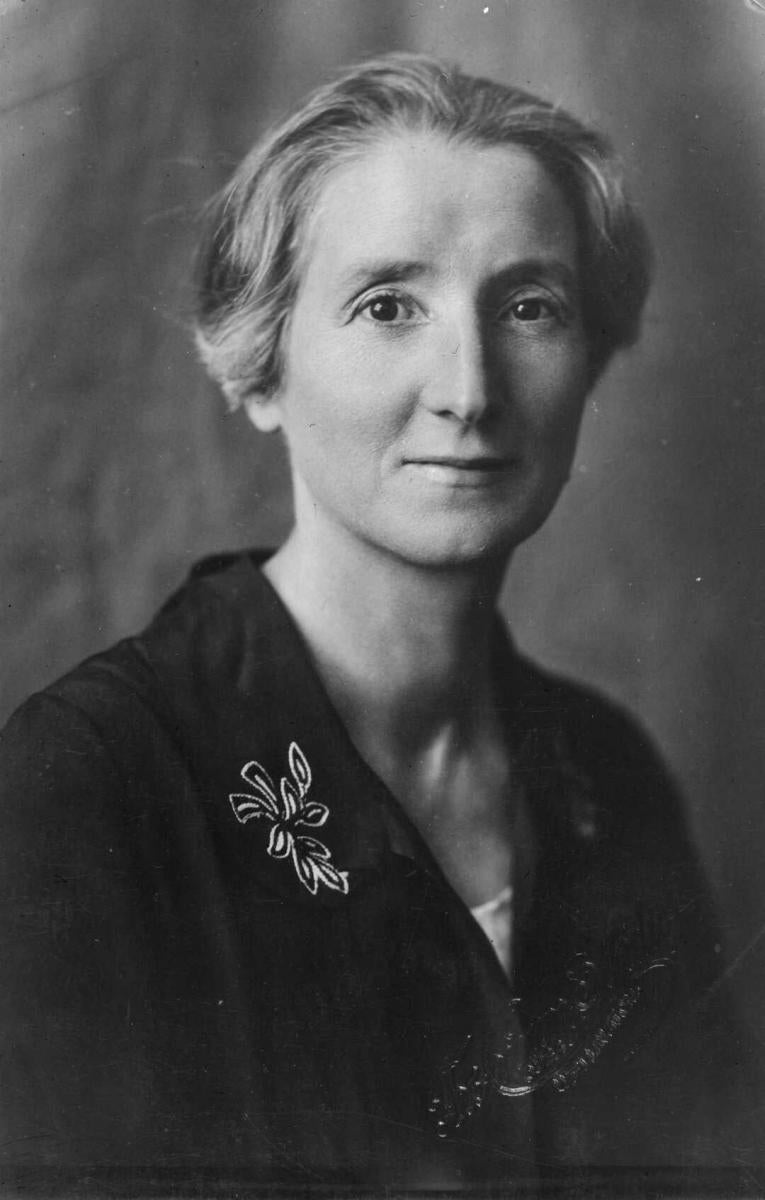
Image: Janet Fraser, ca. 1933. Crown Studios Collection. ATL PAColl-6304-61.
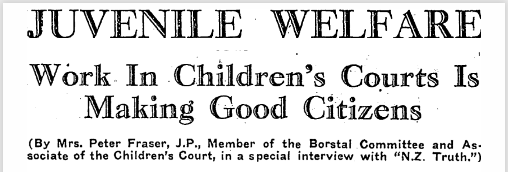
Headline from the NZ Truth article 10 July 1930, p.22

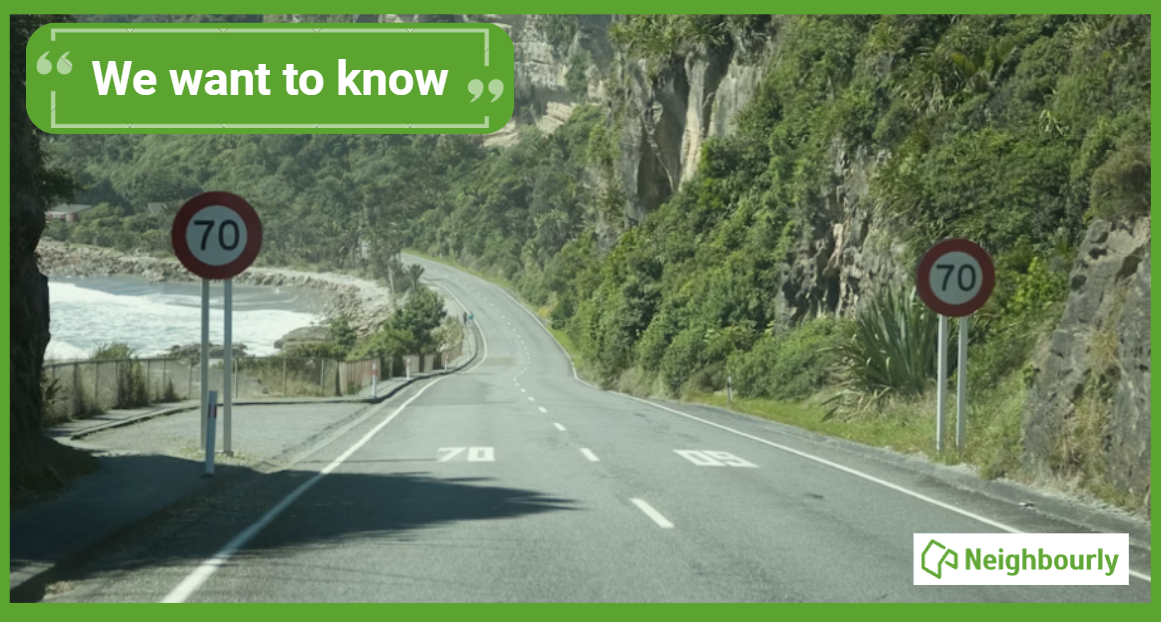
Poll: If we want to reduce speeding, what do you think actually changes driver behaviour? 🛻🚨🚓
In the Post's article on speeding penalties, the question is asked whether speeding fines are truly about road safety, or are they just a way to boost revenue for the Crown?
What do you think? Should speeding motorists receive speeding fines or demerit points?
-
36.2% The sting of a fine (Money talks!)
-
63.8% The threat of demerit points (Nobody wants to lose their license!)

Some Choice News!
DOC is rolling out a new tool to help figure out what to tackle first when it comes to protecting our threatened species and the things putting them at risk.
Why does this matter? As Nikki Macdonald from The Post points out, we’re a country with around 4,400 threatened species. With limited time and funding, conservation has always meant making tough calls about what gets attention first.
For the first time, DOC has put real numbers around what it would take to do everything needed to properly safeguard our unique natural environment. The new BioInvest tool shows the scale of the challenge: 310,177 actions across 28,007 sites.
Now that we can see the full picture, it brings the big question into focus: how much do we, as Kiwis, truly value protecting nature — and what are we prepared to invest to make it happen?
We hope this brings a smile!

Poll: Are you still heading to your local for your caffeine fix, or has the $$ changed your habits? ☕
Wellington’s identity is built on its cafe culture, but with costs climbing, that culture is under pressure. We’ve seen the headlines about recent closures, and it’s a tough pill to swallow along with a $6+ coffee.
We all want our favourite spots to stay open, but we also have to balance our own budgets ⚖️
We want to know: How are you handling the "coffee math" in 2026? Are you still heading to your local for a chat and a caffeine fix, or has the cost of living changed your habits?
Keen to read more about "coffee math"? The Post has you covered.

-
46.5% I avoid spending money on coffee
-
43.2% I still indulge at my local cafe
-
10.3% Irrelevant - coffee is not for me
 Loading…