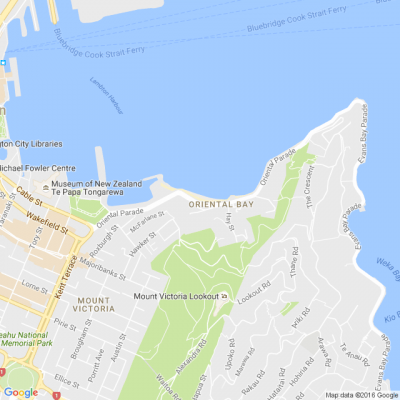





The Saving of Old St Paul's (Public History Talk)
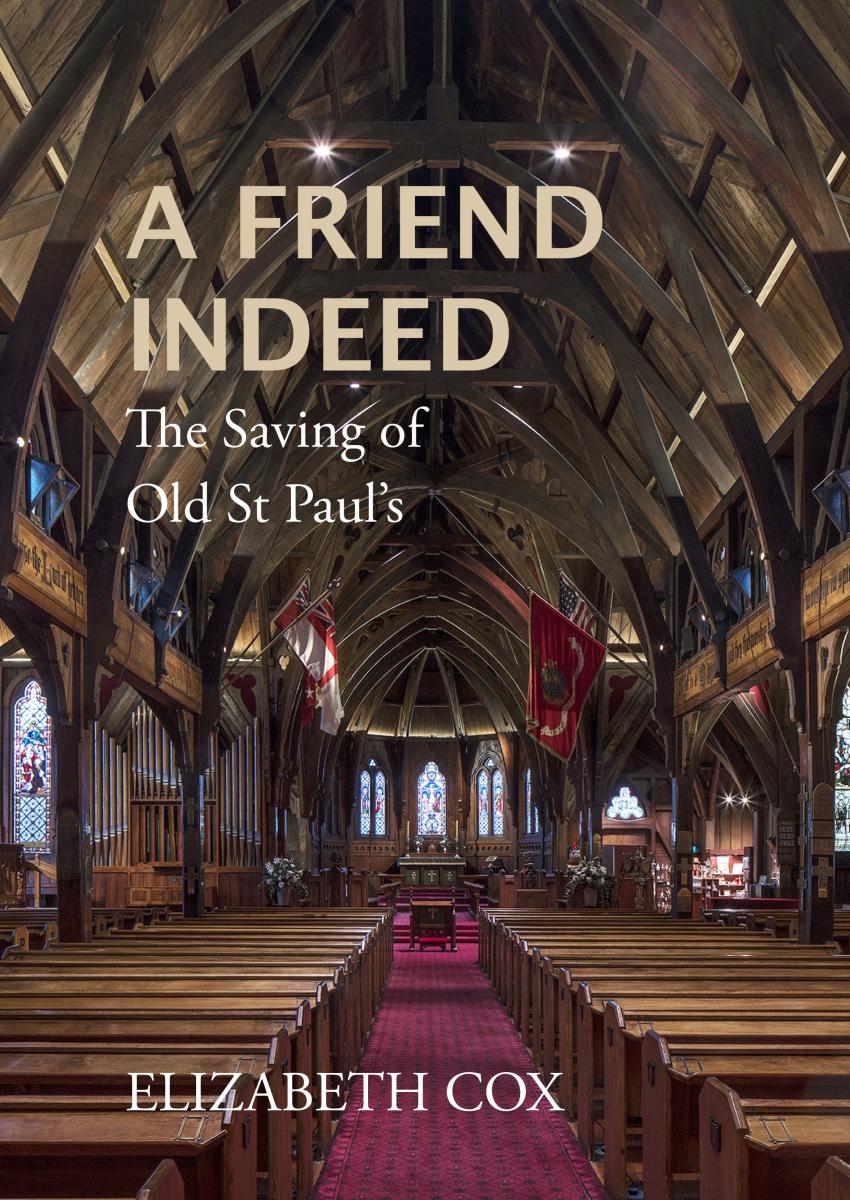
Elizabeth Cox, author of the recently published A friend indeed: the saving of Old St Paul’s will discuss the heritage battle during the 1950s–1960s to decide the future of the church.
Wednesday 7 November - 12:10pm - 1:00pm
Te Ahumairangi (ground floor) National Library corner Molesworth and Aitken Streets, Throndon
Opened in 1866, a century later St Paul’s Church in Thorndon, Wellington was facing a future of demolition, dismemberment or relocation from its site. This talk will discuss the heritage battle during the 1950s–1960s to decide the future of the church, and discuss some of the personalities and organisations that entered the fray. It will also consider the developing and differing concepts of what 'heritage' is in New Zealand, concepts which were put to the test during the sometimes bitter fight to save the church, one of the first and most important heritage battles in New Zealand conservation history.
Elizabeth Cox is a Wellington heritage consultant, and a senior historian at Manatū Taonga the Ministry for Culture and Heritage. She has researched and written about the social history of many of Wellington’s most important heritage buildings. For a number of years she has undertaken a project to explore the social history of Wellington city through the lens of just one building, Old St Paul's; this project can be found at www.osphistory.org.... Her book about the saving of the church, A Friend Indeed: The Saving of Old St Paul's, was launched by the Prime Minister earlier this year. She also blogs about Wellington heritage issues at www.bayheritage.co.nz....
These monthly Public History Talks are a collaboration between and National Library and the Ministry for Culture and Heritage. The talks are recorded live, and are available as a podcast here: newzealandhistory.podbean.com...
Image: Cover of A friend indeed: the saving of Old St Paul’s by Elizabeth Cox (Wellington: Friends of Old St Paul’s Society, 2017)

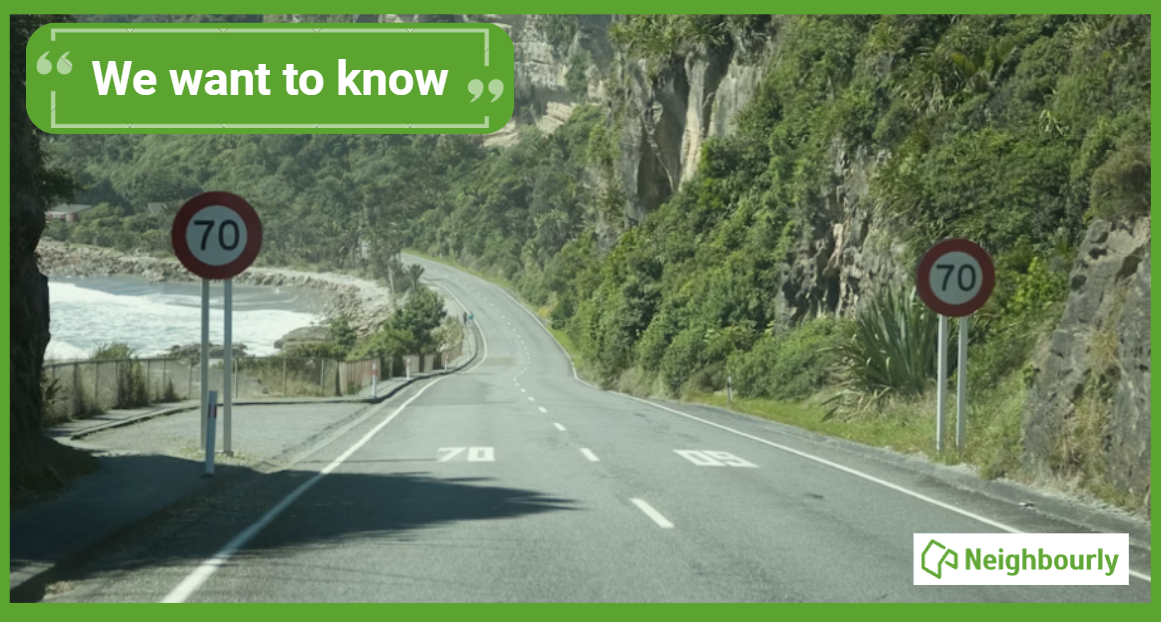
Poll: If we want to reduce speeding, what do you think actually changes driver behaviour? 🛻🚨🚓
In the Post's article on speeding penalties, the question is asked whether speeding fines are truly about road safety, or are they just a way to boost revenue for the Crown?
What do you think? Should speeding motorists receive speeding fines or demerit points?
-
36.3% The sting of a fine (Money talks!)
-
63.7% The threat of demerit points (Nobody wants to lose their license!)
Scam Alert: Bank cold calls
ASB is warning customers about reports of cold calls from scammers claiming to be from ASB. These scammers are trying to obtain personal information, including usernames, dates of birth, and verification codes sent to your mobile phone.
🛡️ The "Caller Check" Test
If you get a call from someone claiming to be from ASB and you’re unsure, just ask them for a Caller Check. You will then be able to verify the call through the app.
Remember, banks will:
❌ Never ask for your banking passwords, PINs, or verification codes
❌ Never need to know your full credit card number – especially the CVC
❌ Never ask you to download software or remotely access your device
❌ Never ask you to purchase gift cards or transfer funds.
If you have received a phone call and think your account has been compromised, call ASB on 0800 ASB FRAUD (0800 272 372), or visit your local branch.

Some Choice News!
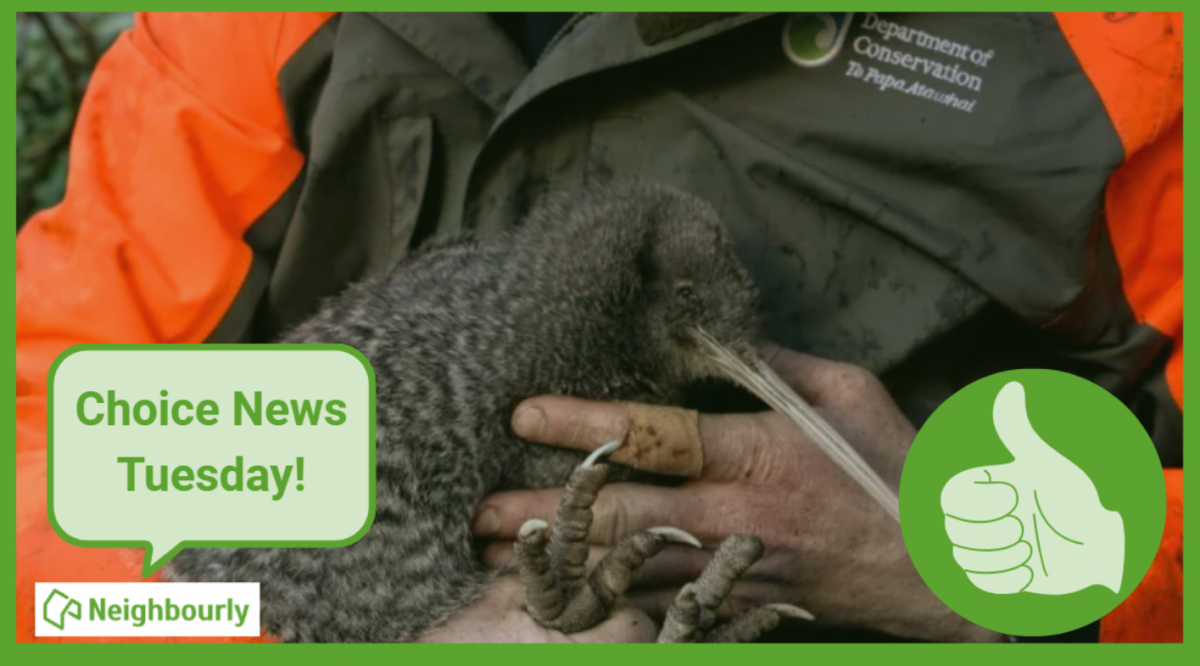
DOC is rolling out a new tool to help figure out what to tackle first when it comes to protecting our threatened species and the things putting them at risk.
Why does this matter? As Nikki Macdonald from The Post points out, we’re a country with around 4,400 threatened species. With limited time and funding, conservation has always meant making tough calls about what gets attention first.
For the first time, DOC has put real numbers around what it would take to do everything needed to properly safeguard our unique natural environment. The new BioInvest tool shows the scale of the challenge: 310,177 actions across 28,007 sites.
Now that we can see the full picture, it brings the big question into focus: how much do we, as Kiwis, truly value protecting nature — and what are we prepared to invest to make it happen?
We hope this brings a smile!
 Loading…