




Life after Armistice
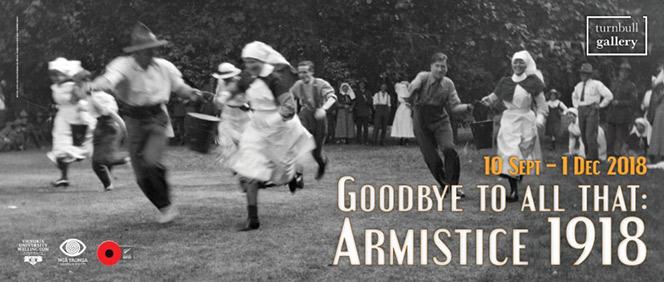
Join us for events exploring how people managed at the end of World War One. These events are part of the 'Goodbye to all that: Armistice 1918' exhibition curated in collaboration with students from the Museum and Heritage Studies programme at Victoria University of Wellington
Date: Friday 9 November 2018
Time: 12:10pm - 1:40pm Free
Location: Te Ahumairangi (ground floor) National Library, corner Molesworth and Aitken Streets, Throndon
What was it like when WW1 ended?
Historians Jane Tolerton, Steven Loveridge and Barbara Mulligan will each draw on their unique knowledge of the First World War to present what life was like after the signing of the armistice agreement on 11th November, 1918. The armistice ended the fighting on land, sea and air.
Dealing with physical and psychological wounds
Jane Tolerton will speak to her upcoming book that focuses on the lives of three men who were teenagers when they went to war. She will discuss their homecomings and how it was the women who picked them up and put them back on their feet, helping them get through their physical and psychological wounds.
Servicemen and their wartime experiences
Steven Loveridge will speak about his current research which focuses on the different positions former servicemen came to in regards to their wartime experiences.
Wellington war memorials
Barbara Mulligan will take a more practical approach to the talk and will discuss her ongoing projects which focus on Wellington war memorials and the restoration of the gravestones of influenza victims at Karori cemetery.
Each speaker will present for around 20-30 minutes and there will be around 5 minutes for questions at the end of each presentation.
About the speakers
Jane Tolerton ONZM is a New Zealand biographer, journalist and historian. In 1987 she worked with Nicholas Boyack to set up the World War I Oral History Archive. Her most recent book, Make Her Praises Heard Afar on the role of women’s involvement in WWI was published in 2017.
Steven Loveridge graduated with a PhD in History from Victoria University of Wellington. He has taught courses on the First World War and written several publications and books on New Zealand’s involvement in WWI, including Calls to Arms: New Zealand Society and Commitment to the Great War in 2014.
Barbara Mulligan has a degree in history and has embarked on further research of the Spanish flu and Wellington war memorials as a passion project. Over the last two years, Barbara has been working to restore the gravesites of Influenza victims at the Karori cemetery and tracking down descendants of some of the 800 Wellingtonians who died from flu between October and December 1918. She also aims to install permanent interpretation panels at the cemetery to restore the memory of the victims.
In conjunction with Goodbye to all that: Armistice 1918 an exhibition exploring how people celebrated the end of World War One curated in collaboration with students from the Museum and Heritage Studies programme at Victoria University of Wellington

Some Choice News!
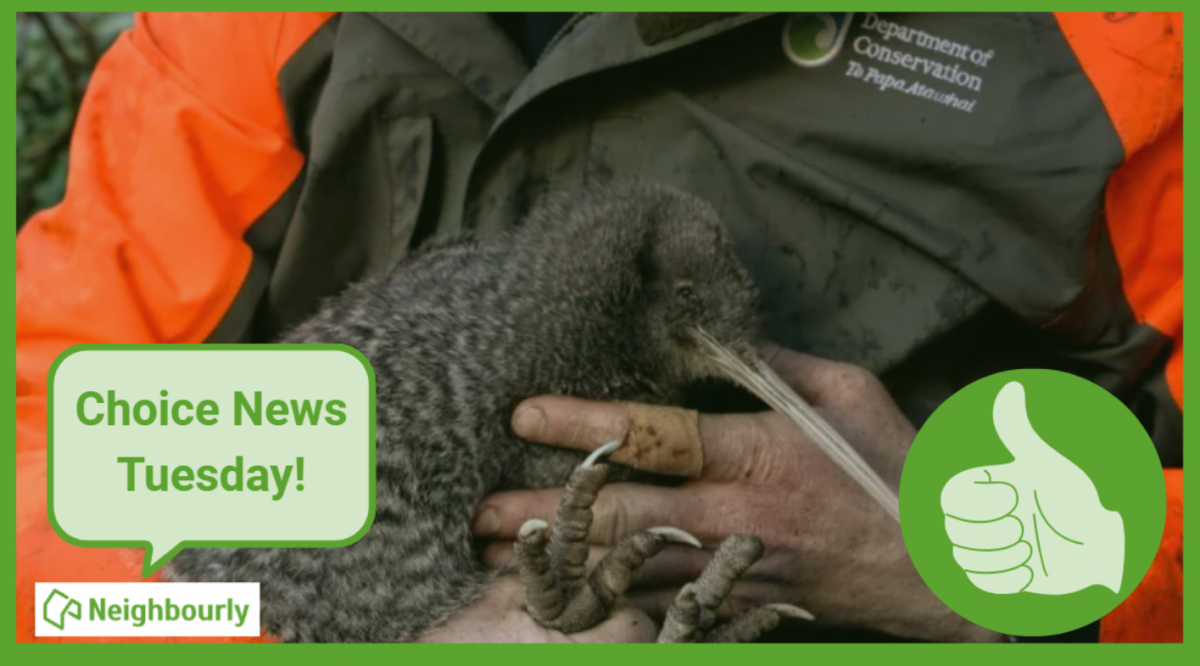
DOC is rolling out a new tool to help figure out what to tackle first when it comes to protecting our threatened species and the things putting them at risk.
Why does this matter? As Nikki Macdonald from The Post points out, we’re a country with around 4,400 threatened species. With limited time and funding, conservation has always meant making tough calls about what gets attention first.
For the first time, DOC has put real numbers around what it would take to do everything needed to properly safeguard our unique natural environment. The new BioInvest tool shows the scale of the challenge: 310,177 actions across 28,007 sites.
Now that we can see the full picture, it brings the big question into focus: how much do we, as Kiwis, truly value protecting nature — and what are we prepared to invest to make it happen?
We hope this brings a smile!

Scam Alert: Bank cold calls
ASB is warning customers about reports of cold calls from scammers claiming to be from ASB. These scammers are trying to obtain personal information, including usernames, dates of birth, and verification codes sent to your mobile phone.
🛡️ The "Caller Check" Test
If you get a call from someone claiming to be from ASB and you’re unsure, just ask them for a Caller Check. You will then be able to verify the call through the app.
Remember, banks will:
❌ Never ask for your banking passwords, PINs, or verification codes
❌ Never need to know your full credit card number – especially the CVC
❌ Never ask you to download software or remotely access your device
❌ Never ask you to purchase gift cards or transfer funds.
If you have received a phone call and think your account has been compromised, call ASB on 0800 ASB FRAUD (0800 272 372), or visit your local branch.
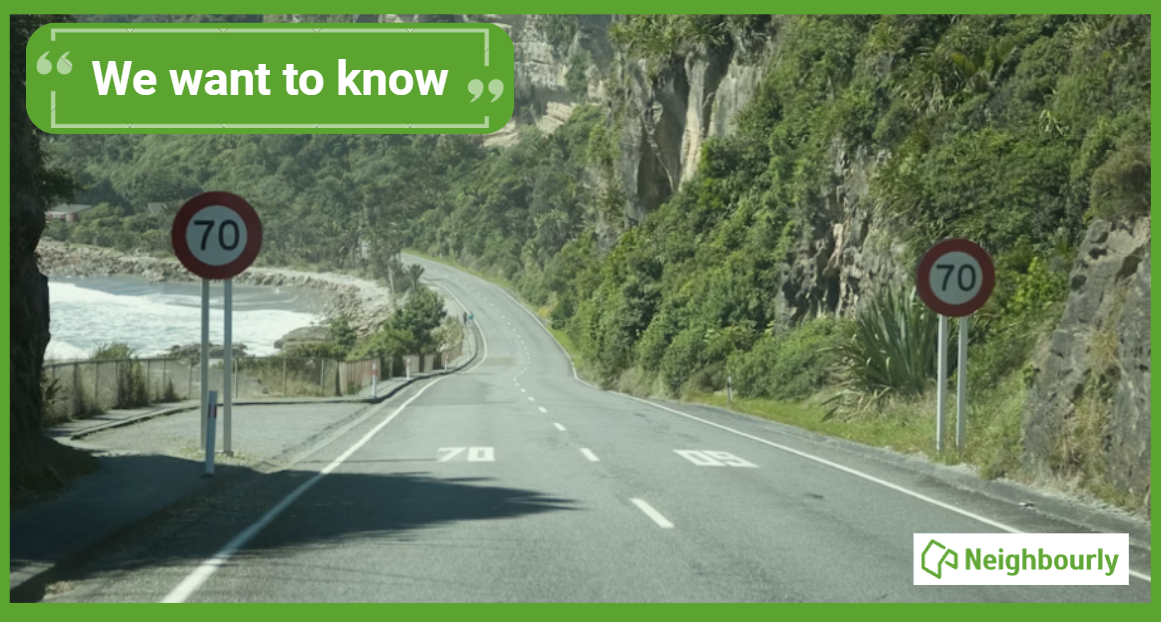
Poll: If we want to reduce speeding, what do you think actually changes driver behaviour? 🛻🚨🚓
In the Post's article on speeding penalties, the question is asked whether speeding fines are truly about road safety, or are they just a way to boost revenue for the Crown?
What do you think? Should speeding motorists receive speeding fines or demerit points?
-
36.5% The sting of a fine (Money talks!)
-
63.5% The threat of demerit points (Nobody wants to lose their license!)
 Loading…