





150th anniversary of NZ Standard Time
Date: Thursday, 1 November, 2018
Time: 5:45pm to 6:45pm
Cost: Free. You don't need to book.
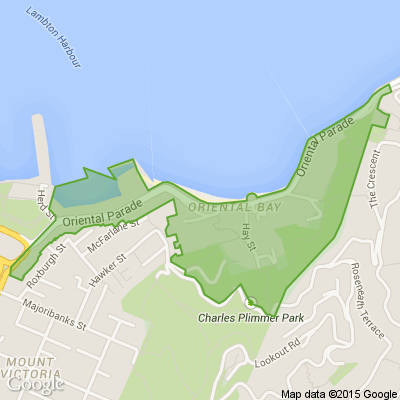
Location: Te Ahumairangi (ground floor), National Library, corner Molesworth and Aitken Streets, Thorndon
Join historian Gerard Morris as he takes us through the history of the adoption of New Zealand Standard Time, and Chief Executive of the National Measurement Institute of Australia, Dr Bruce Warrington, who will detail the science behind standard time and the technological innovations such as GPS it enables.
1886 first Cook Strait cable was the beginning
In 1866, the first cable across Cook Strait was laid and regions between Napier and Bluff became connected by telegraph. Variations in operating hours at the relaying and receiving offices along the line initially hinder the smooth transmission of messages.
So, in 1868 the Telegraph Department proclaimed that all offices had to adopt Wellington time.
This move lead to a parliamentary decree establishing a single time for the whole country — the first implementation of standard time in the world, which came into effect on November 2, 1868.
About the speakers
Gerard Morris is a faculty member at Ara Institute in Christchurch and teaches Cultural Studies. He has been a researcher for 40 years and is a member of the Professional Historians Association of New Zealand Aotearoa. His 2012 Masters’ thesis is titled Time and the Making of New Zealand.
Dr Bruce Warrington, Chief Metrologist and CEO of the National Measurement Institute, Australia, a counterpart to and partner of NZ’s Measurement Standards Laboratory. A graduate of the University of Otago, he completed a DPhil in Oxford on atomic physics research and worked with CSIRO in Sydney on the development of atomic clocks


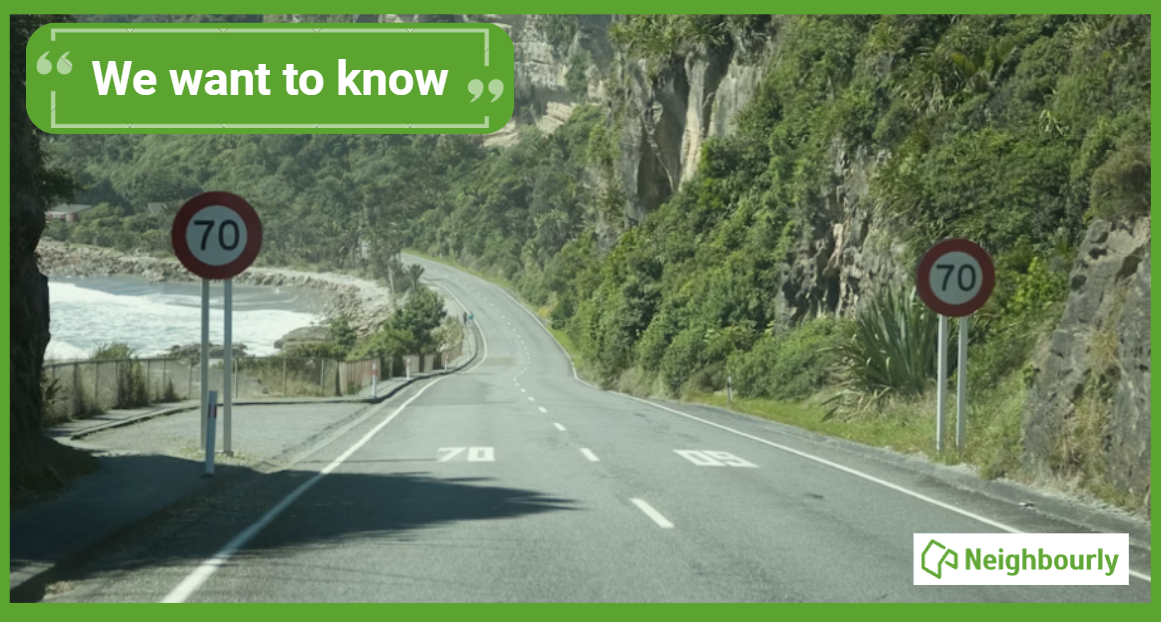
Poll: If we want to reduce speeding, what do you think actually changes driver behaviour? 🛻🚨🚓
In the Post's article on speeding penalties, the question is asked whether speeding fines are truly about road safety, or are they just a way to boost revenue for the Crown?
What do you think? Should speeding motorists receive speeding fines or demerit points?
-
36.3% The sting of a fine (Money talks!)
-
63.7% The threat of demerit points (Nobody wants to lose their license!)
Scam Alert: Bank cold calls
ASB is warning customers about reports of cold calls from scammers claiming to be from ASB. These scammers are trying to obtain personal information, including usernames, dates of birth, and verification codes sent to your mobile phone.
🛡️ The "Caller Check" Test
If you get a call from someone claiming to be from ASB and you’re unsure, just ask them for a Caller Check. You will then be able to verify the call through the app.
Remember, banks will:
❌ Never ask for your banking passwords, PINs, or verification codes
❌ Never need to know your full credit card number – especially the CVC
❌ Never ask you to download software or remotely access your device
❌ Never ask you to purchase gift cards or transfer funds.
If you have received a phone call and think your account has been compromised, call ASB on 0800 ASB FRAUD (0800 272 372), or visit your local branch.

Some Choice News!
DOC is rolling out a new tool to help figure out what to tackle first when it comes to protecting our threatened species and the things putting them at risk.
Why does this matter? As Nikki Macdonald from The Post points out, we’re a country with around 4,400 threatened species. With limited time and funding, conservation has always meant making tough calls about what gets attention first.
For the first time, DOC has put real numbers around what it would take to do everything needed to properly safeguard our unique natural environment. The new BioInvest tool shows the scale of the challenge: 310,177 actions across 28,007 sites.
Now that we can see the full picture, it brings the big question into focus: how much do we, as Kiwis, truly value protecting nature — and what are we prepared to invest to make it happen?
We hope this brings a smile!

 Loading…