




Niue and the Great War (Niue language week)
Date: Wednesday, 17 October, 2018
Time:
12:10pm to 1:00pm
Cost:
Free. You don't need to book.
Location:
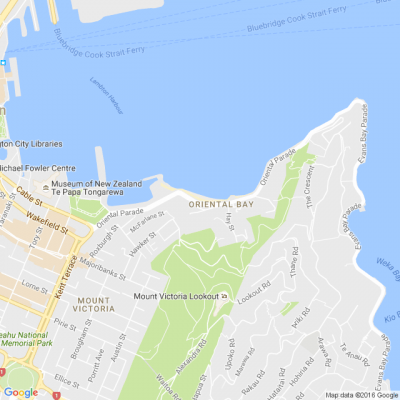
Te Ahumairangi (ground floor), National Library, corner Molesworth and Aitken Streets, Thorndon
Niue Language Week
To mark Niue Language Week, Margaret Pointer will talk about her new book on tiny Niue’s involvement in the Great War sending 160 men as part of the New Zealand Expeditionary Force.
Niuean soldiers and European disease
The story of tiny Niue’s involvement in the Great War has captivated people since an account was first published by Margaret Pointer in 2000.
In 1915, 160 Niuean men joined the New Zealand Expeditionary Force as part of the Maori Reinforcements and set sail to Auckland and then Egypt and France.
Most had never left the island or worn shoes before. Most spoke no English. Most significantly, they had no immunity to European disease. Within 3 months of leaving New Zealand, over 80 per cent of them had been hospitalised and the army authorities withdrew them.
Niue and the Great War
Margaret Pointer became involved in research to trace the lost story of Niue's involvement in World War I while living on the island in the 1990s.
The resulting book, Tagi Tote e Loto Haaku: My Heart is Crying a Little, was published in 2000. Her research has continued since, and Niue and the Great War (OUP, 2018) contains many new insights. The story has now been set in a wider Pacific context and also considers the contribution made by colonial troops, especially `coloured' ones, to the Allied effort.
Margaret will talk about the challenges in writing this book and the effect on Niue of sending these 160 men off to war.
About the speaker
Margaret Pointer is a well know writer and speaker on Niue. Her previous publication was Niue 1777-1974: 200 years of contact and change (Otago University Press, 2015). Margaret lives in Wellington and visits Niue frequently.
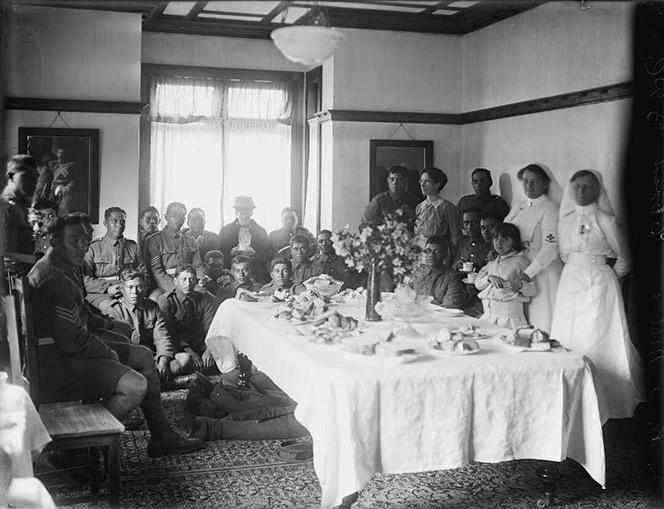
Image: Niuean soldiers from the Epsom Convalescent Home are served tea at the Auckland Trained Nurses’ club. Photograph taken by Herman John Schmidt during World War I. Ref 1/1-001567-G

Scam Alert: Bank cold calls
ASB is warning customers about reports of cold calls from scammers claiming to be from ASB. These scammers are trying to obtain personal information, including usernames, dates of birth, and verification codes sent to your mobile phone.
🛡️ The "Caller Check" Test
If you get a call from someone claiming to be from ASB and you’re unsure, just ask them for a Caller Check. You will then be able to verify the call through the app.
Remember, banks will:
❌ Never ask for your banking passwords, PINs, or verification codes
❌ Never need to know your full credit card number – especially the CVC
❌ Never ask you to download software or remotely access your device
❌ Never ask you to purchase gift cards or transfer funds.
If you have received a phone call and think your account has been compromised, call ASB on 0800 ASB FRAUD (0800 272 372), or visit your local branch.
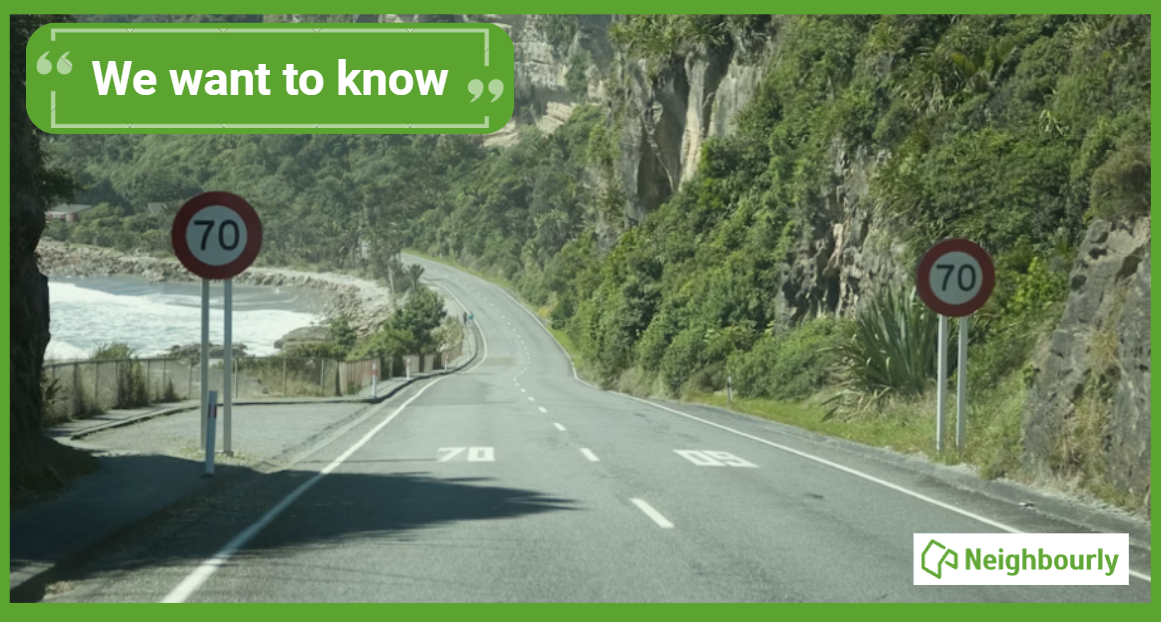
Poll: If we want to reduce speeding, what do you think actually changes driver behaviour? 🛻🚨🚓
In the Post's article on speeding penalties, the question is asked whether speeding fines are truly about road safety, or are they just a way to boost revenue for the Crown?
What do you think? Should speeding motorists receive speeding fines or demerit points?
-
36.7% The sting of a fine (Money talks!)
-
63.3% The threat of demerit points (Nobody wants to lose their license!)

Some Choice News!
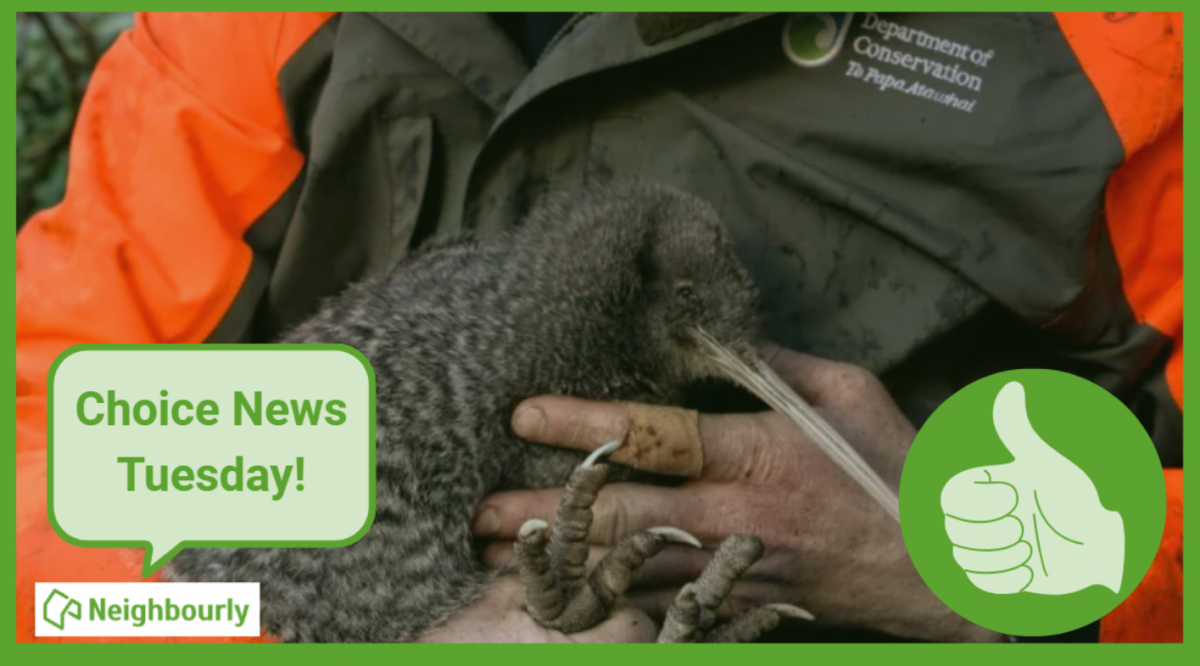
DOC is rolling out a new tool to help figure out what to tackle first when it comes to protecting our threatened species and the things putting them at risk.
Why does this matter? As Nikki Macdonald from The Post points out, we’re a country with around 4,400 threatened species. With limited time and funding, conservation has always meant making tough calls about what gets attention first.
For the first time, DOC has put real numbers around what it would take to do everything needed to properly safeguard our unique natural environment. The new BioInvest tool shows the scale of the challenge: 310,177 actions across 28,007 sites.
Now that we can see the full picture, it brings the big question into focus: how much do we, as Kiwis, truly value protecting nature — and what are we prepared to invest to make it happen?
We hope this brings a smile!
 Loading…