





Keeping water flowing when an earthquake stops the taps
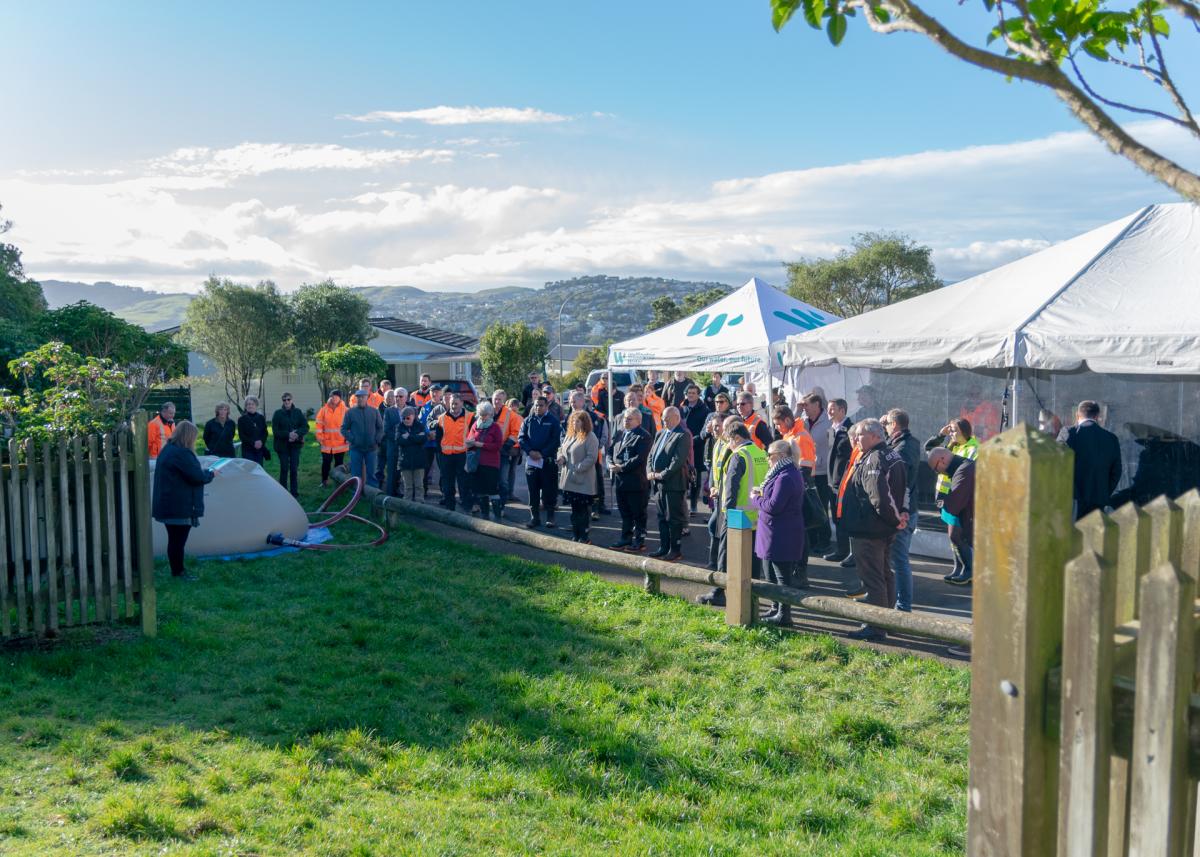
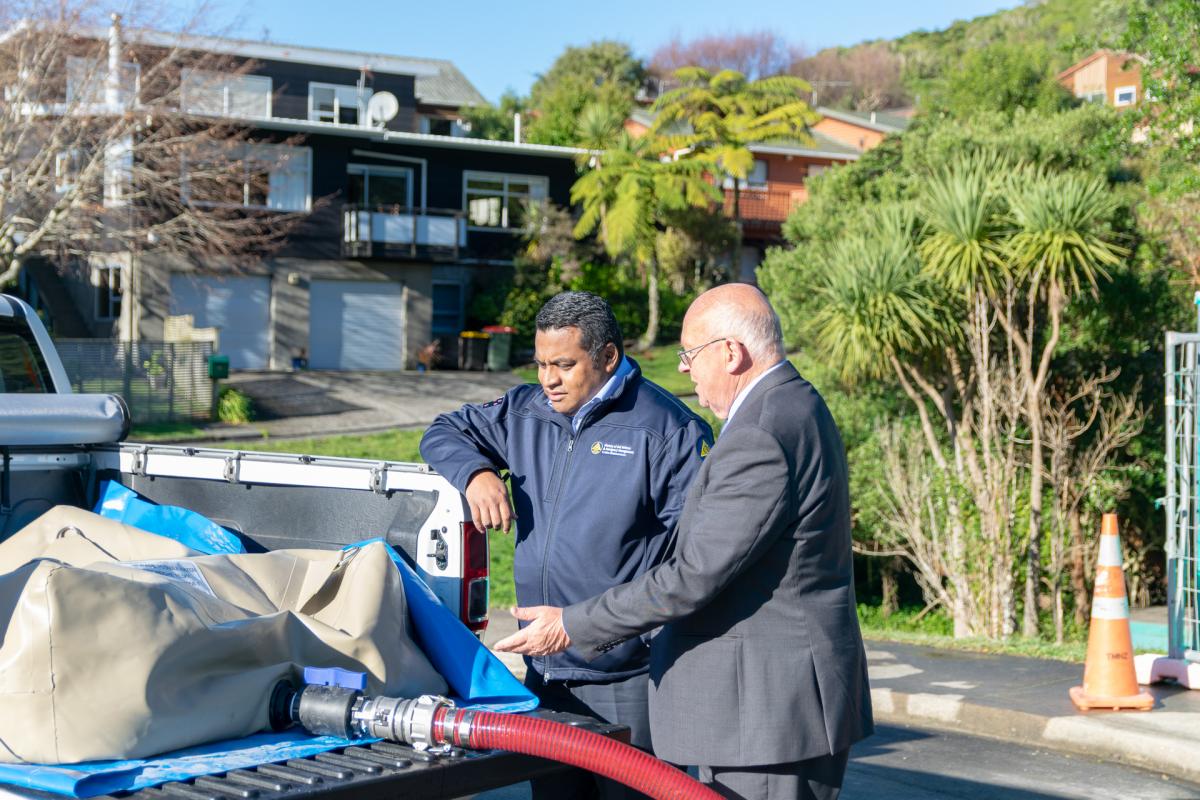
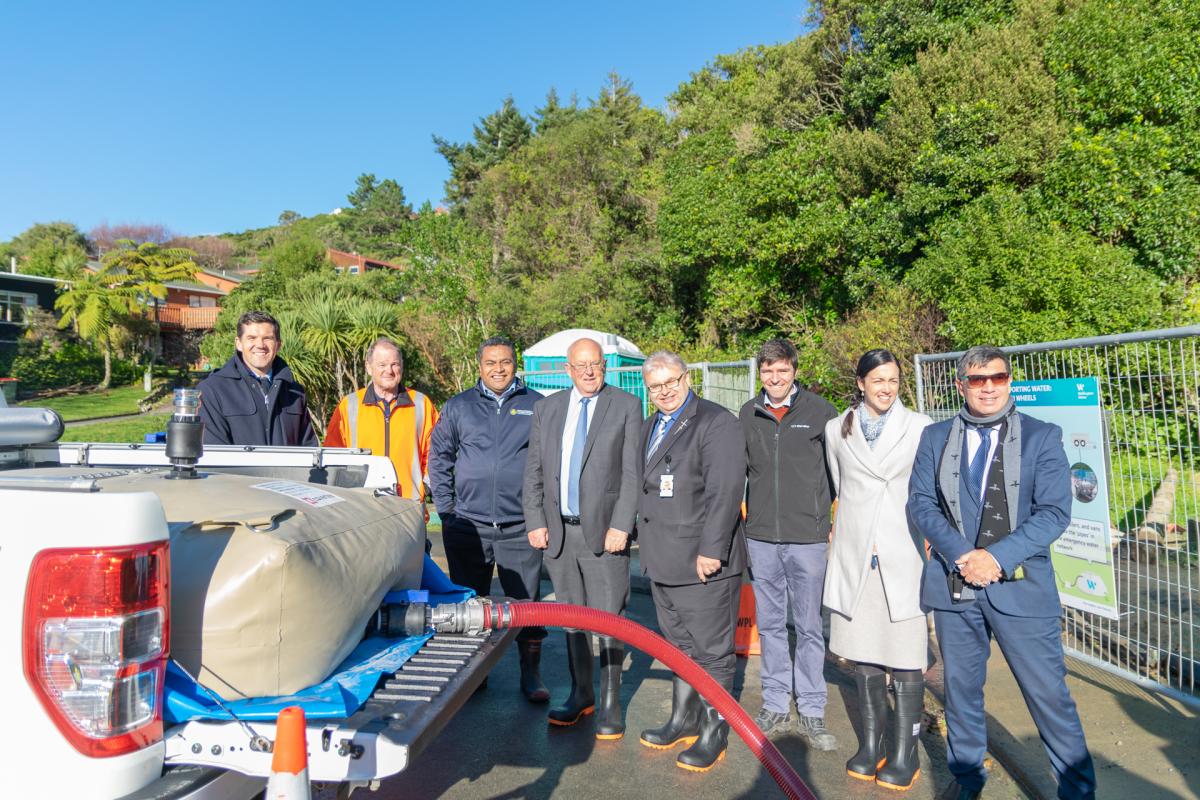
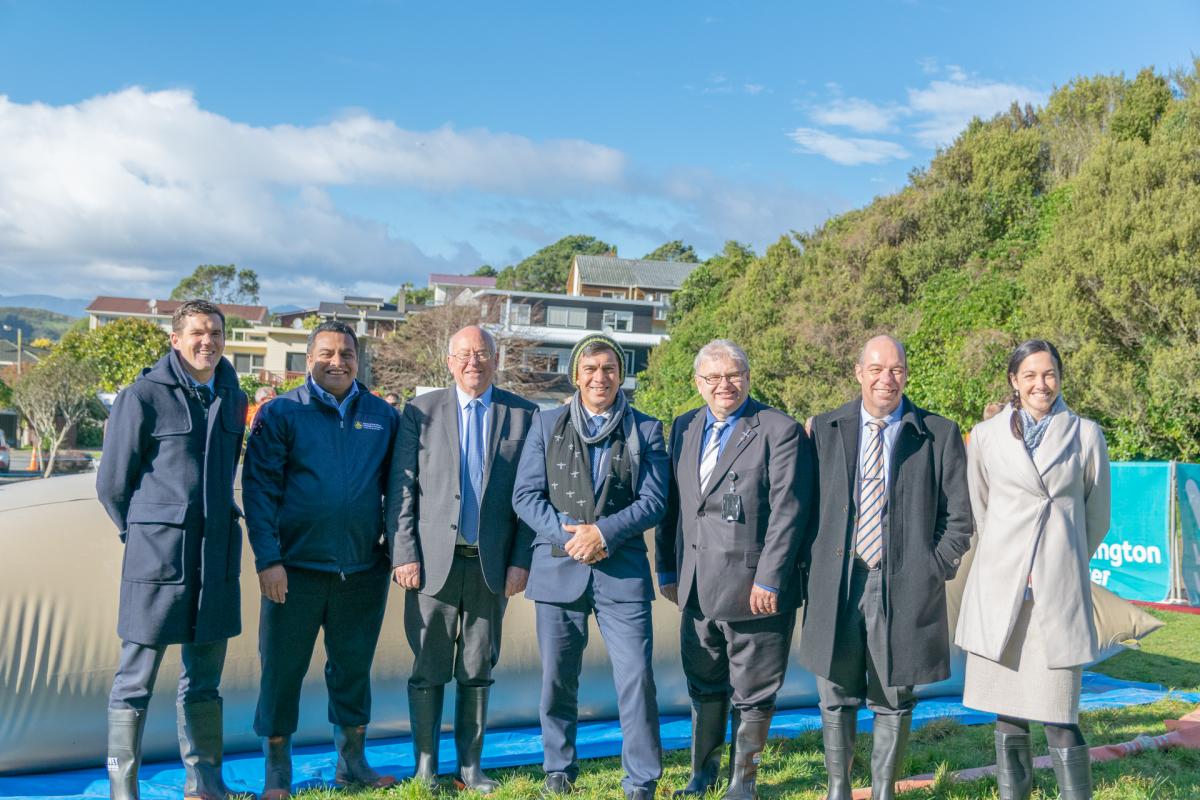
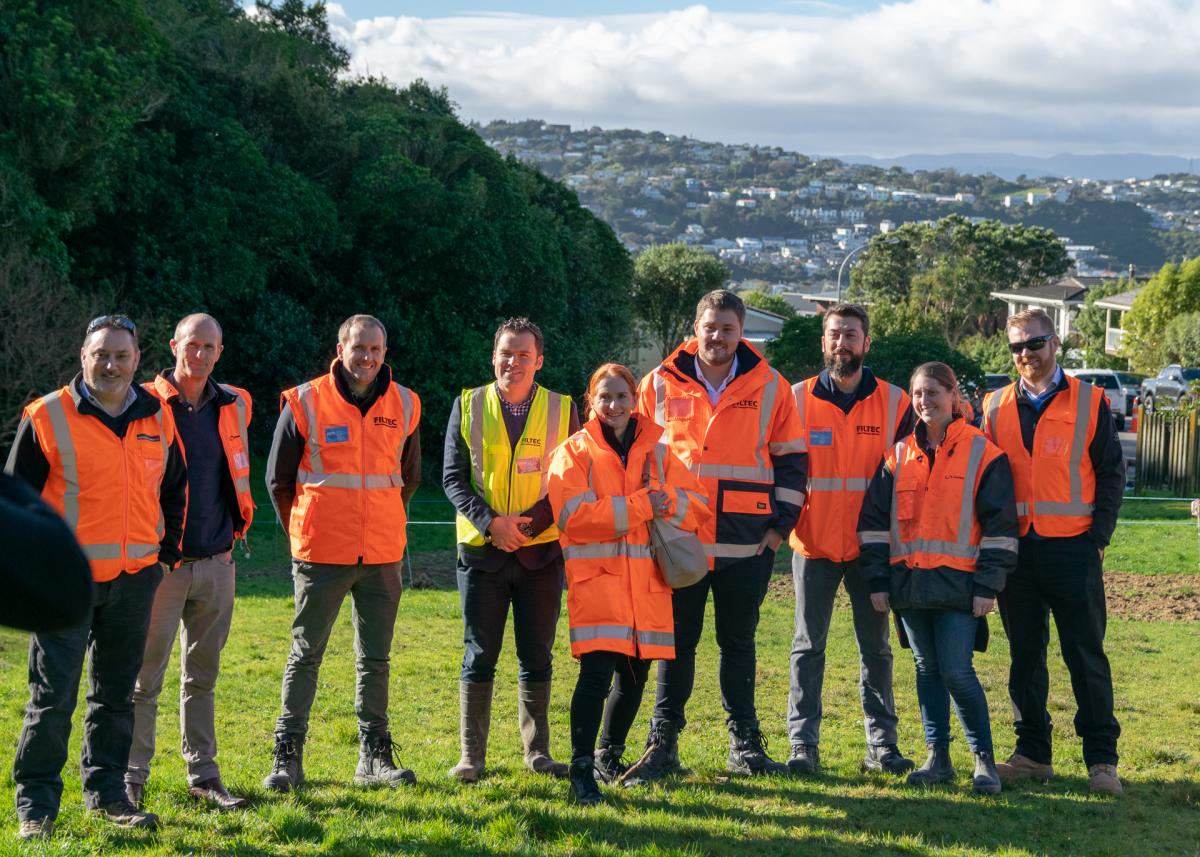
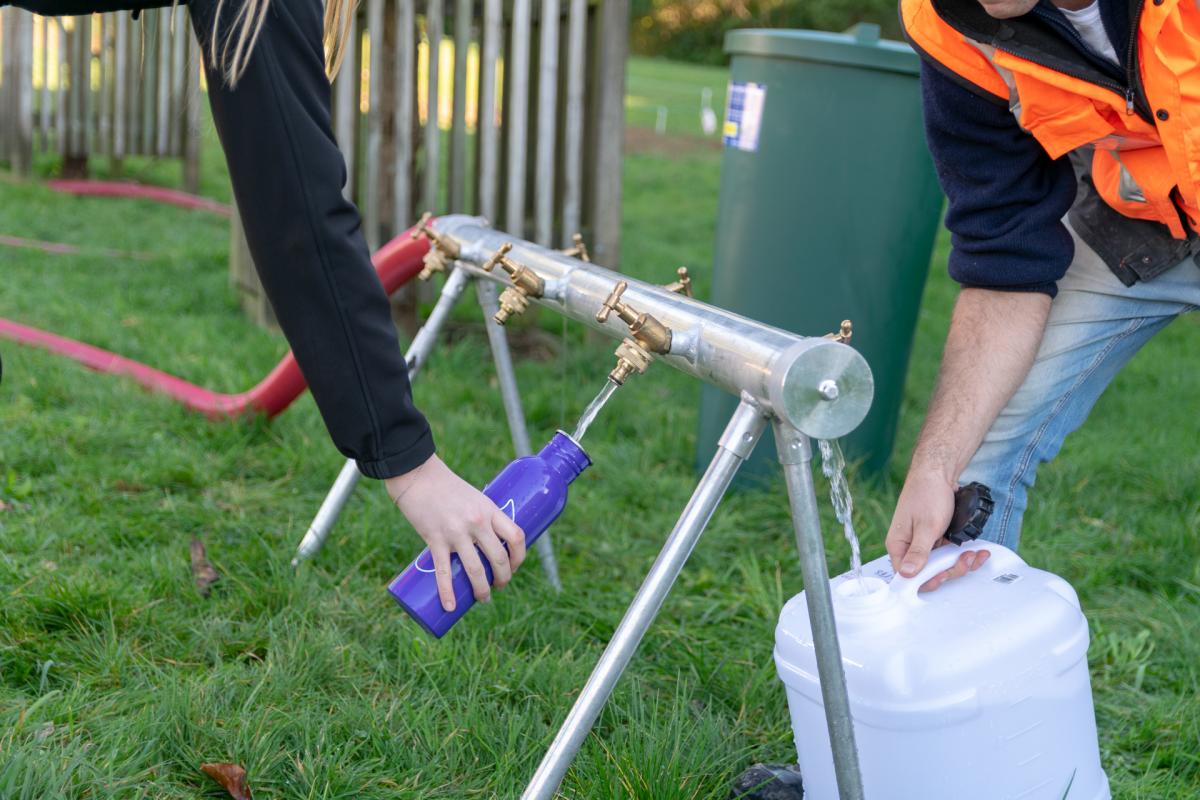
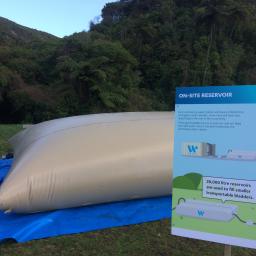
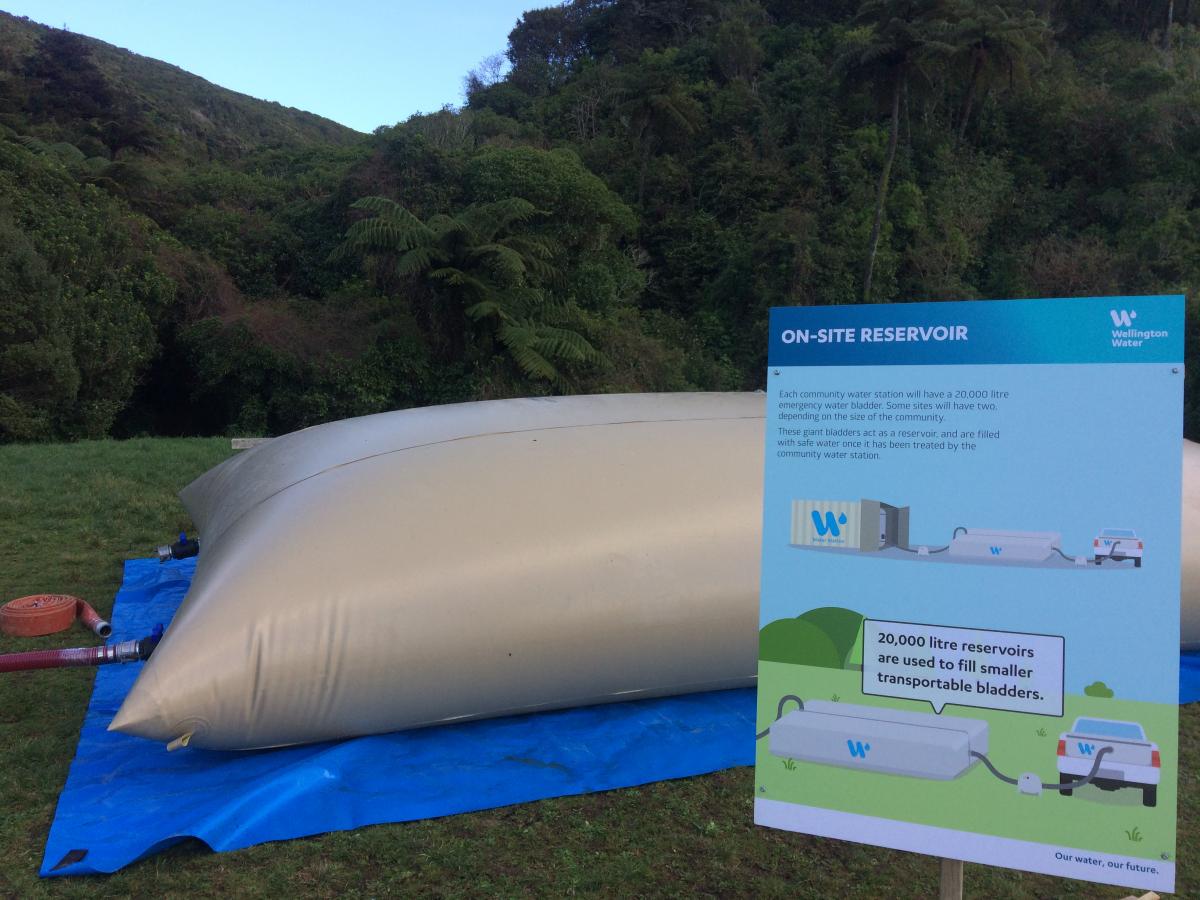
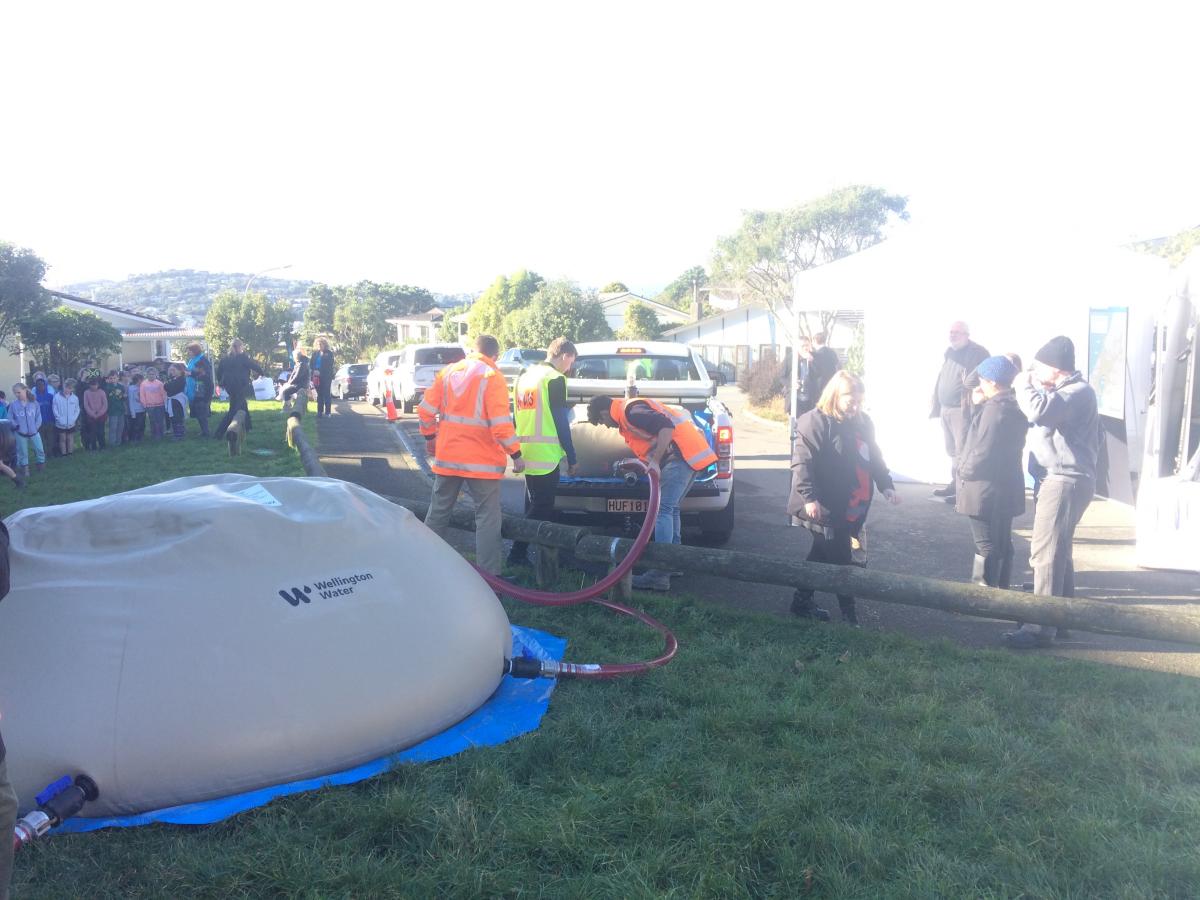
Today we hosted a special event at Truscott park in Johnsonville to open the first of 22 community water stations, which form the foundation of our above ground emergency water supply network.
The Minister of Civil Defence, Hon Kris Faafoi, mayors and representatives from the four councils, (Wellington City Council, Hutt City Council, Upper Hutt City Council, Porirua City Council) were in attendance to help open the first of the community water stations, and learn more about how they'll operate.
Wellington's drinking water supply network is vulnerable. Underground pipes and reservoirs could be badly damaged in a significant earthquake and as a result some suburbs could be without drinking water for more than 100 days.
Over the past 12 months we have been working with central and local government to develop an above ground emergency water network that will supply the more than 400,000 people across Wellington from day eight following a disaster.
It’s important to remember that following a major earthquake, the first thing people rely on is themselves and their families, so storing water is a must for every household.
You should have 20 litres of stored water for every person, every day, for at least seven days. That’s 560 litres for a four-person household. You may need to store more if you have unwell people, or small children in your home.
200 litre tanks (which are easy to install) can be purchased from your local council for $105.
For more information check out wellingtonwater.co.nz...

Poll: If we want to reduce speeding, what do you think actually changes driver behaviour? 🛻🚨🚓
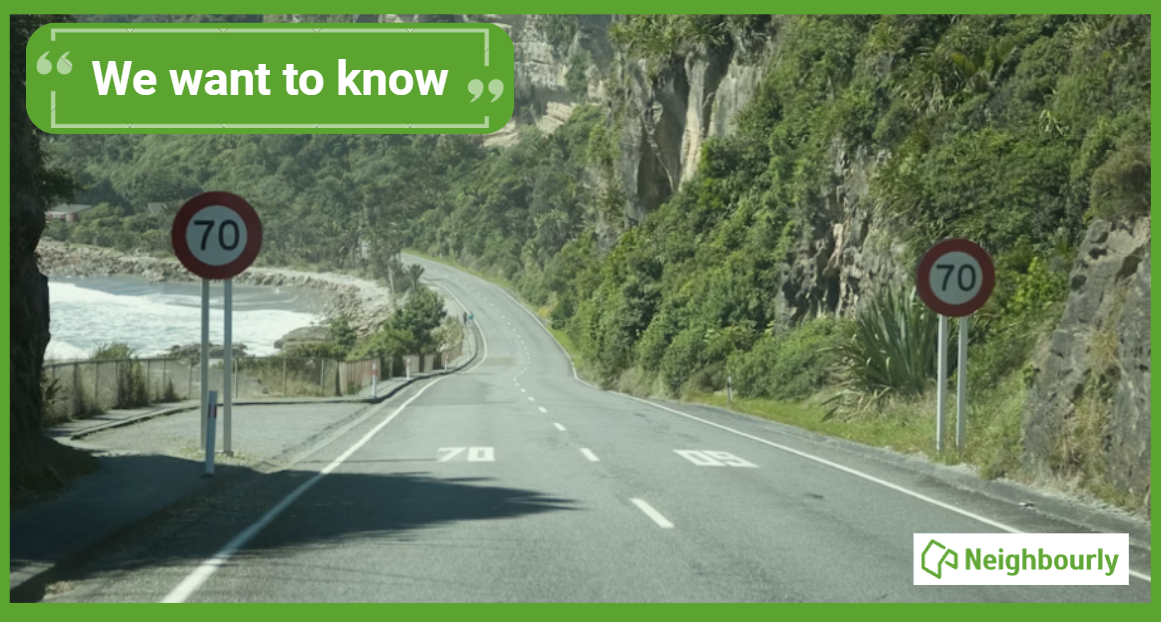
In the Post's article on speeding penalties, the question is asked whether speeding fines are truly about road safety, or are they just a way to boost revenue for the Crown?
What do you think? Should speeding motorists receive speeding fines or demerit points?
-
36.5% The sting of a fine (Money talks!)
-
63.5% The threat of demerit points (Nobody wants to lose their license!)

🎉 Riddle me this, legends! 🎉
He/She who makes it, sells it.
He/She who buys it, doesn't use it.
The user doesn't know they are using it.
What is it?
(Shezz from Ngāruawāhia kindly provided this head-scratcher ... thanks, Shezz!)
Do you think you know the answer? Simply 'Like' this post if you know the answer and the big reveal will be posted in the comments at 2pm on the day!
Want to stop seeing these in your newsfeed?
Head here and hover on the Following button on the top right of the page (and it will show Unfollow) and then click it. If it is giving you the option to Follow, then you've successfully unfollowed the Riddles page.
Scam Alert: Bank cold calls
ASB is warning customers about reports of cold calls from scammers claiming to be from ASB. These scammers are trying to obtain personal information, including usernames, dates of birth, and verification codes sent to your mobile phone.
🛡️ The "Caller Check" Test
If you get a call from someone claiming to be from ASB and you’re unsure, just ask them for a Caller Check. You will then be able to verify the call through the app.
Remember, banks will:
❌ Never ask for your banking passwords, PINs, or verification codes
❌ Never need to know your full credit card number – especially the CVC
❌ Never ask you to download software or remotely access your device
❌ Never ask you to purchase gift cards or transfer funds.
If you have received a phone call and think your account has been compromised, call ASB on 0800 ASB FRAUD (0800 272 372), or visit your local branch.
 Loading…