





The Dictionary of New Zealand Biography, redux
The Dictionary of New Zealand Biography was originally published in five print volumes between 1990 and 2000. In 2017 the Ministry for Culture and Heritage resumed work on the Dictionary, and 20 new biographies of women will be published in September this year to celebrate the 125th anniversary of women’s suffrage. Come and hear Tim Shoebridge, the Dictionary’s programme manager, talk about the challenges posed and opportunities offered by this new chapter in the Dictionary’s life.
Public History Talk
Date: Wednesday 6 June 2018
Time: 12:10 to 1:00pm
Cost: Free. Booking is not required
Venue: Programme Rooms, Te Ahumairangi (ground floor), National Library, corner Molesworth and Aitken Streets, Thorndon
The Dictionary of New Zealand Biography was originally published in five print volumes between 1990 and 2000. It comprised 3000 biographical essays about a wide range of deceased New Zealanders who had come to prominence by 1960. The Dictionary went online in 2001. In 2010 it was merged with Te Ara: the Encyclopedia of New Zealand to form the single largest reference work on New Zealand’s history and society. The combined Dictionary and Te Ara website is one of the largest works of scholarship ever undertaken in this country, and is unique in the world.
The Dictionary has been in hiatus since the completion of the print programme in 2000, with the exception of a batch of 15 biographies that were published online in 2010-11. In 2017 the Ministry for Culture and Heritage decided to resume work on the Dictionary, and to publish a new batch of biographies online every year. The new programme commences with 20 new biographies of women which will be published in September this year to celebrate the 125th anniversary of women’s suffrage.
Tim Shoebridge, the Dictionary’s programme manager, will talk about the challenges posed and opportunities offered by this new chapter in the Dictionary’s life.
Tim Shoebridge, Senior Historian at Manatū Taonga Ministry for Culture and Heritage’, has researched and written on aspects of New Zealand's biosecurity, First World War, and motoring history, including New Zealand’s First World War Heritage with Imelda Bargas published in 2015.

🎉 Riddle me this, legends! 🎉
He/She who makes it, sells it.
He/She who buys it, doesn't use it.
The user doesn't know they are using it.
What is it?
(Shezz from Ngāruawāhia kindly provided this head-scratcher ... thanks, Shezz!)
Do you think you know the answer? Simply 'Like' this post if you know the answer and the big reveal will be posted in the comments at 2pm on the day!
Want to stop seeing these in your newsfeed?
Head here and hover on the Following button on the top right of the page (and it will show Unfollow) and then click it. If it is giving you the option to Follow, then you've successfully unfollowed the Riddles page.


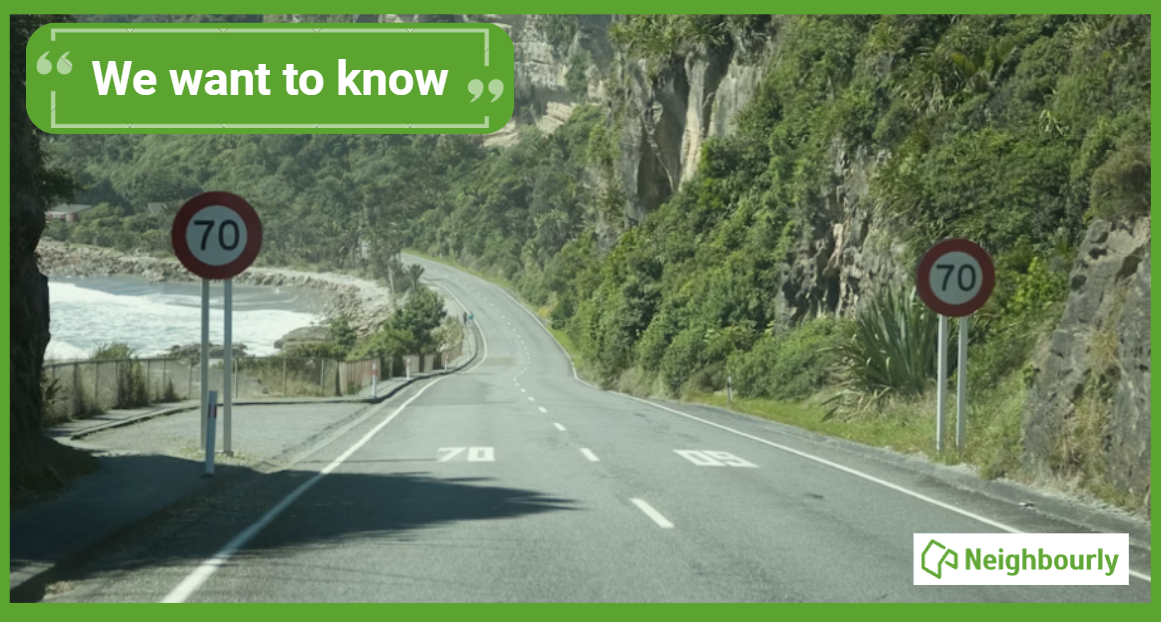
Poll: If we want to reduce speeding, what do you think actually changes driver behaviour? 🛻🚨🚓
In the Post's article on speeding penalties, the question is asked whether speeding fines are truly about road safety, or are they just a way to boost revenue for the Crown?
What do you think? Should speeding motorists receive speeding fines or demerit points?
-
37.2% The sting of a fine (Money talks!)
-
62.8% The threat of demerit points (Nobody wants to lose their license!)
Scam Alert: Bank cold calls
ASB is warning customers about reports of cold calls from scammers claiming to be from ASB. These scammers are trying to obtain personal information, including usernames, dates of birth, and verification codes sent to your mobile phone.
🛡️ The "Caller Check" Test
If you get a call from someone claiming to be from ASB and you’re unsure, just ask them for a Caller Check. You will then be able to verify the call through the app.
Remember, banks will:
❌ Never ask for your banking passwords, PINs, or verification codes
❌ Never need to know your full credit card number – especially the CVC
❌ Never ask you to download software or remotely access your device
❌ Never ask you to purchase gift cards or transfer funds.
If you have received a phone call and think your account has been compromised, call ASB on 0800 ASB FRAUD (0800 272 372), or visit your local branch.
 Loading…