




Poll: 30 or 40 km/h speed limit for main arterial roads?
WCC is planning to reduce speed limits on most roads in Wellington to 30km/h. The proposal is open for public consultation until 5pm, Friday 30 June 2023. The following poll's aim is to gather people's views on reducing the speed limit for main arterial roads and non-arterial (local) streets.
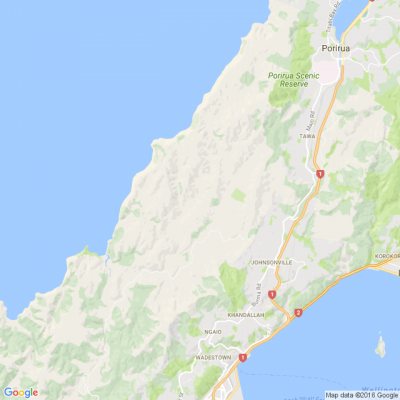
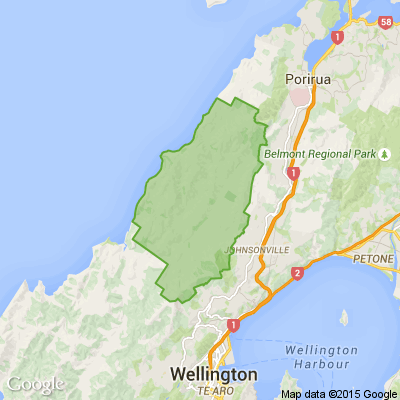
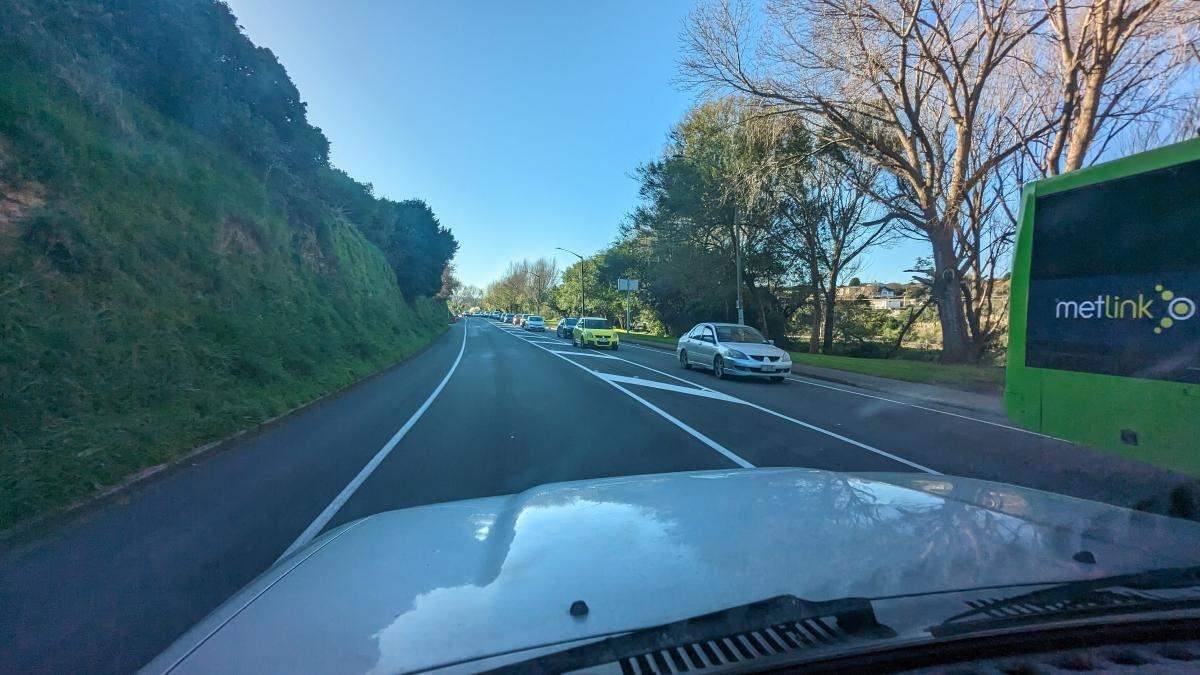
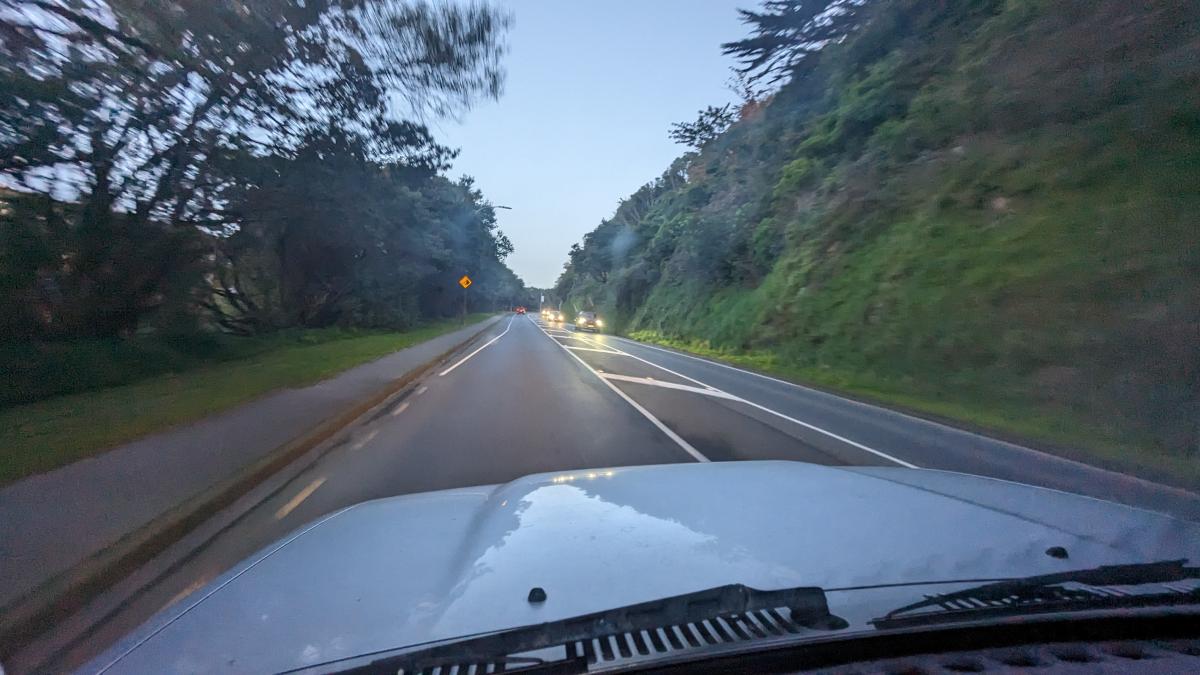
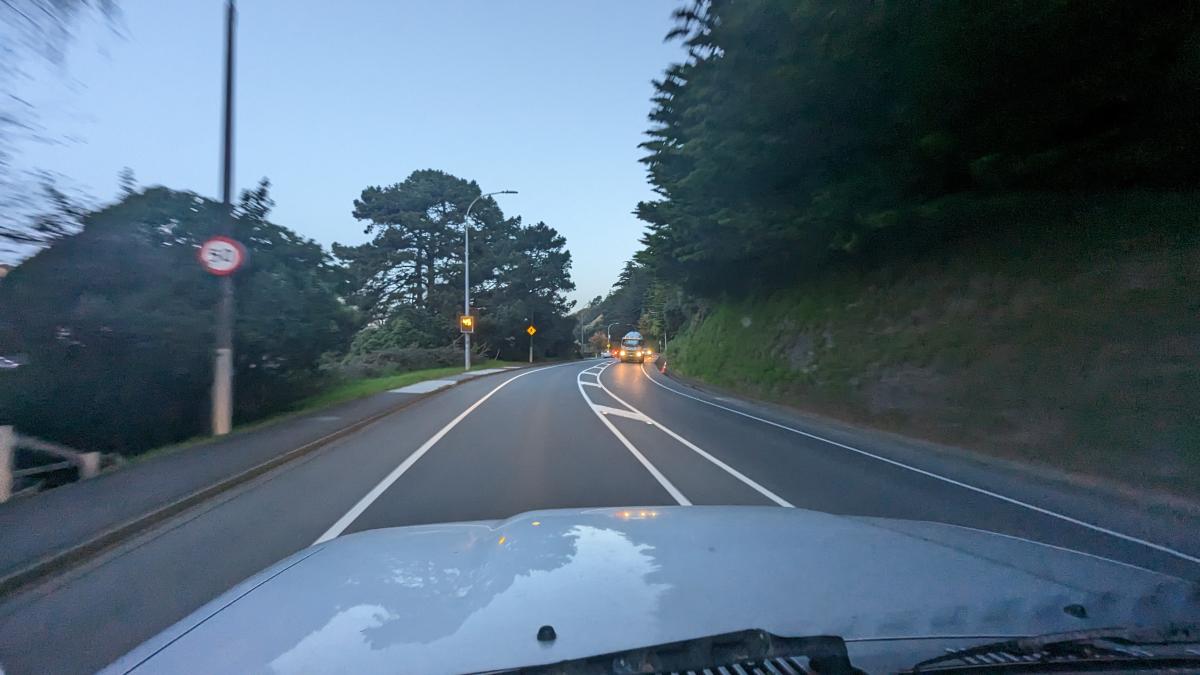
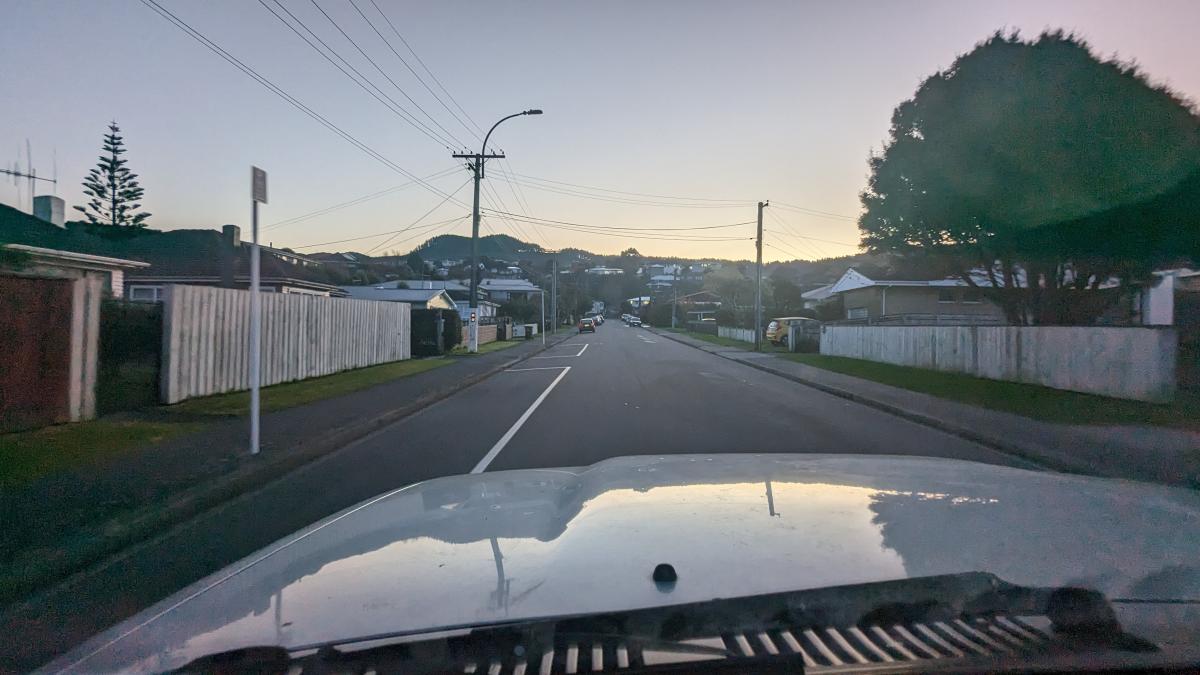
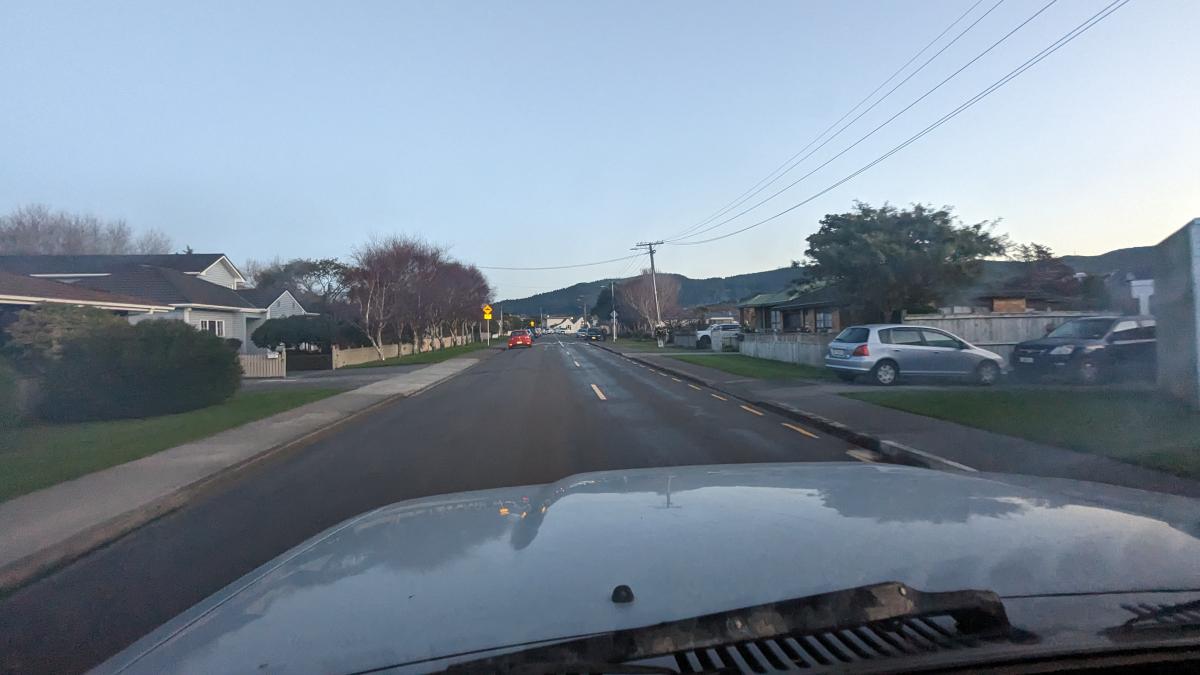
Main arterial roads carry many vehicles and are the main connection between many suburbs. Public transport bus routes make heavy usage of arterial roads. They include the Main Road in Tawa, Middleton Road, Burma Road, Khandallah Road, Ottawa Road, Newlands Road, etc. Some images of the Main Road in Tawa are shown below as examples for reference, as well as a couple of non-arterial (local) streets for comparison. Generally, non-arterial (local) streets are narrower and found in residential suburbs.
Roads currently have reduced speed restriction limits and signage around specific areas such as schools, pedestrian areas, etc and also measures such as speed bumps, crossings and roundabouts to reduce speed in key areas. Some of these restrictions will become redundant with the proposed new 30 km/h speed limit applied along the entire length of roads.
There is much variability in road quality and lane width of many non-arterial streets with some being very narrow and others being as good as many arterial roads. Trying to group these better quality non-arterial streets together with main arterial roads goes beyond the scope of this poll but they could possibly be more closely assessed on a case by case basis. However, applying a blanket 30 km/h speed limit is probably easier to implement.
Do you agree with the new 30 km/h speed limit planned for both main arterial roads and non-arterial (local) streets?
Vote for your most preferred option below:
More information can be found at www.letstalk.wellington.govt.nz... and feedback on Neighbourly can be found on at www.neighbourly.co.nz...
A separate speed poll for Middleton Road which currently has a 70 km/h non-residential speed limit zone and a 50 km/h residential speed limit zone can be found at www.neighbourly.co.nz...
Feel free to reference the URLs for this poll and the separate poll for Middleton Road when making submissions to WCC.
Submissions can also be made to WCC councillors via email wellington.govt.nz...
To contact all Councillors email councillors@wcc.govt.nz
Submissions must be made by 5pm, Friday 30 June 2023.

-
0.9% Both main arterial roads and non-arterial streets should be 30 km/h
-
4.4% Make main arterial roads 40 km/h and non-arterial streets 30km/h
-
1.8% Both main arterial roads and non-arterial streets should be 40 km/h
-
8.9% Main arterial roads remain 50 km/h with non-arterial streets 30 km/h
-
16% Main arterial roads remain 50 km/h with non-arterial streets 40 km/h
-
68% Both main arterial roads and non-arterial streets remain 50 km/h

Vinyl records
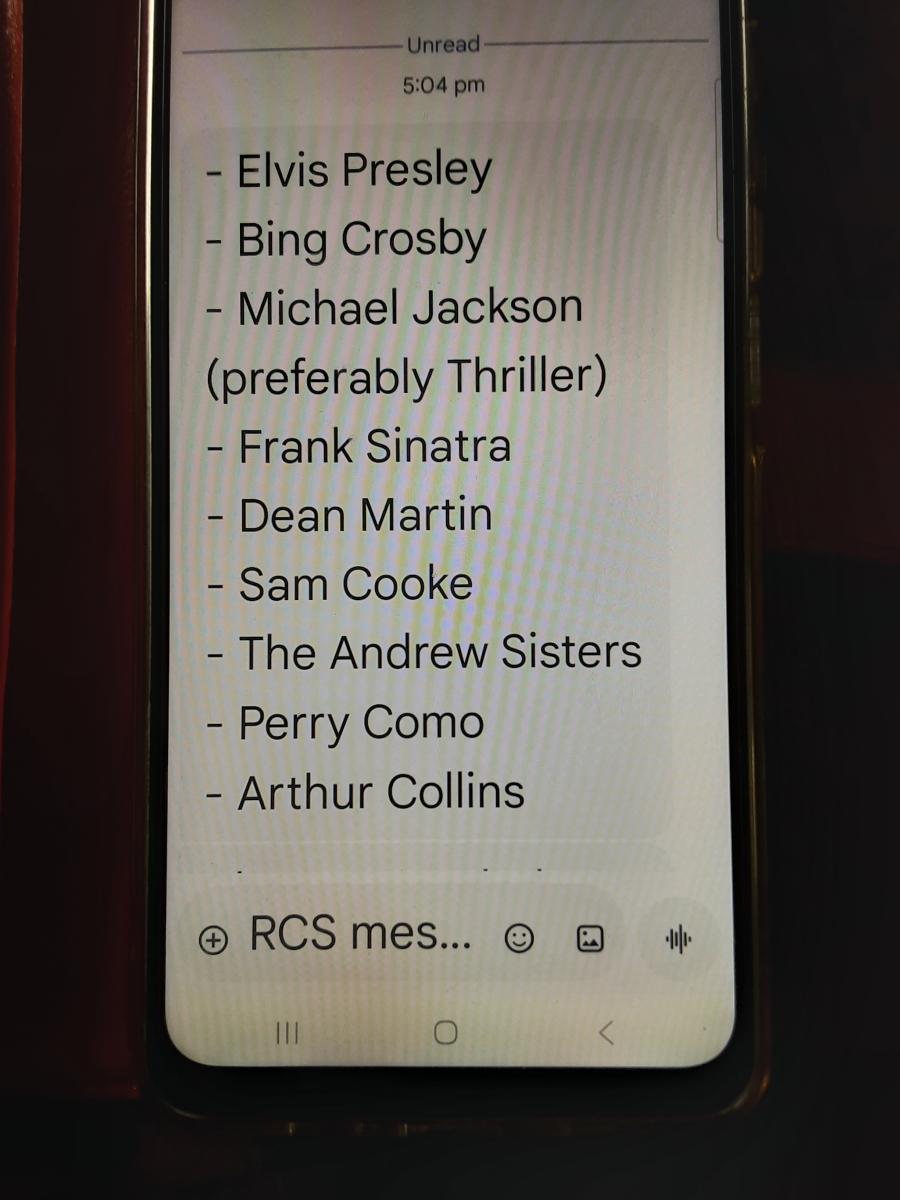
My young grandson has an interest in vinyl records , L Ps , he has just got a turntable and is looking for some records please . Wide variety , including artists on this list . Looking for lower cost please. Thanks if you can help . 0274403242

🧩😏 Riddle me this, Neighbours…
I am an odd number. Take away a letter and I become even. What number am I?
Do you think you know the answer?
Want to stop seeing these in your newsfeed? No worries! Simply head here and click once on the Following button.


Some Choice News!
DOC is rolling out a new tool to help figure out what to tackle first when it comes to protecting our threatened species and the things putting them at risk.
Why does this matter? As Nikki Macdonald from The Post points out, we’re a country with around 4,400 threatened species. With limited time and funding, conservation has always meant making tough calls about what gets attention first.
For the first time, DOC has put real numbers around what it would take to do everything needed to properly safeguard our unique natural environment. The new BioInvest tool shows the scale of the challenge: 310,177 actions across 28,007 sites.
Now that we can see the full picture, it brings the big question into focus: how much do we, as Kiwis, truly value protecting nature — and what are we prepared to invest to make it happen?
We hope this brings a smile!

 Loading…