





Friday Feathered Friend
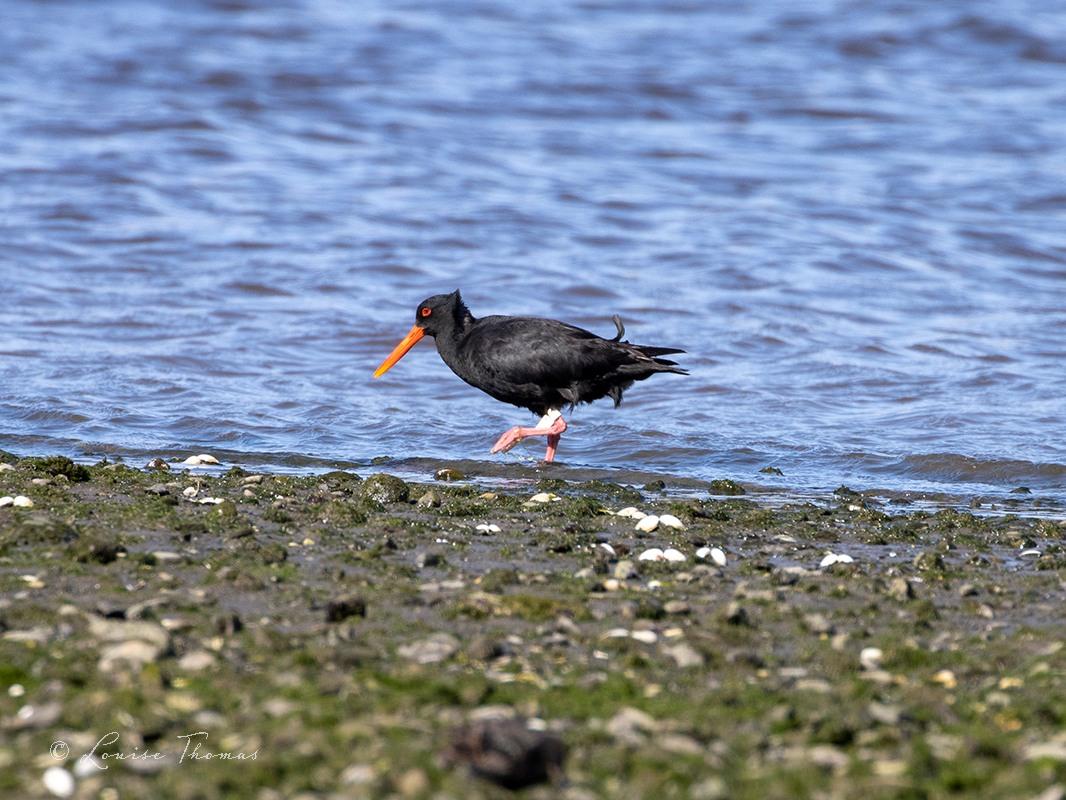
It has been a while since I posted a Friday Feathered Friend. This week it is a contribution from Louise Thomas.
"This is not the best photo of a variable oystercatcher - it's not even the best photo I took that day, but it is interesting. I noticed he/she was tagged - meet CT7. I snapped him/her in the Hutt Estuary on 12 January and sent a report off to the Banding Office as you do and got back a very interesting report about the bird.
He/she was banded on Bell Island, Waimea Inlet, Tasman on 28/05/2022 in his/her 2nd year. Sex is unknown. CT7 is a busy chap, since banding this bird has been re-sighted at Saxton Field, Stoke, Nelson on 28/06/2022 and 19/07/2022. This bird is part of a research study on the morphometrics, population trends, longevity and movements of variable oystercatchers in the Golden/Tasman Bays region.
So, if you see CT7 don't forget to report him/her to the banding office.
Variable oystercatcher/ tōrea (Haematopus unicolor). Bird #14 in 2023.

🧩😏 Riddle me this, Neighbours…
I am an odd number. Take away a letter and I become even. What number am I?
Do you think you know the answer?
Want to stop seeing these in your newsfeed? No worries! Simply head here and click once on the Following button.

Vinyl records
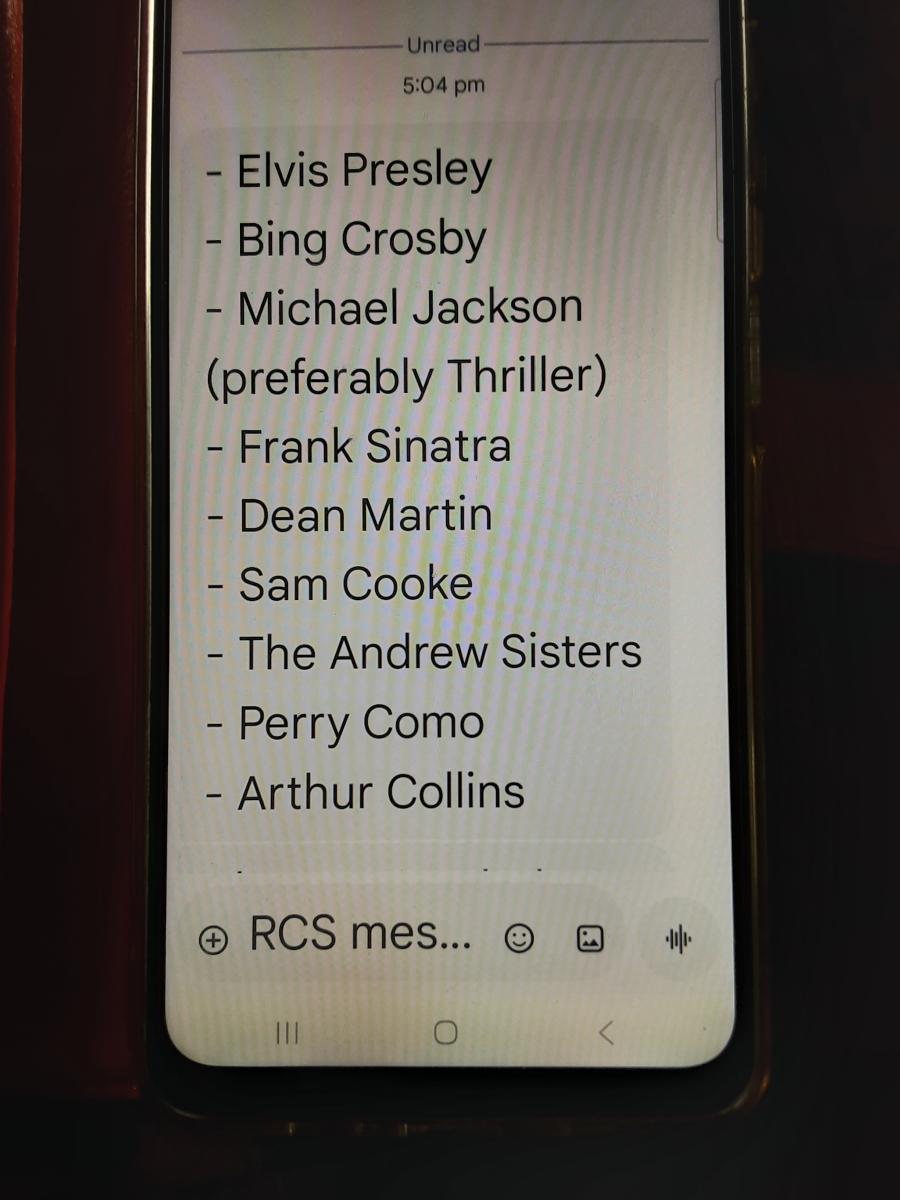
My young grandson has an interest in vinyl records , L Ps , he has just got a turntable and is looking for some records please . Wide variety , including artists on this list . Looking for lower cost please. Thanks if you can help . 0274403242

Some Choice News!
DOC is rolling out a new tool to help figure out what to tackle first when it comes to protecting our threatened species and the things putting them at risk.
Why does this matter? As Nikki Macdonald from The Post points out, we’re a country with around 4,400 threatened species. With limited time and funding, conservation has always meant making tough calls about what gets attention first.
For the first time, DOC has put real numbers around what it would take to do everything needed to properly safeguard our unique natural environment. The new BioInvest tool shows the scale of the challenge: 310,177 actions across 28,007 sites.
Now that we can see the full picture, it brings the big question into focus: how much do we, as Kiwis, truly value protecting nature — and what are we prepared to invest to make it happen?
We hope this brings a smile!

 Loading…