





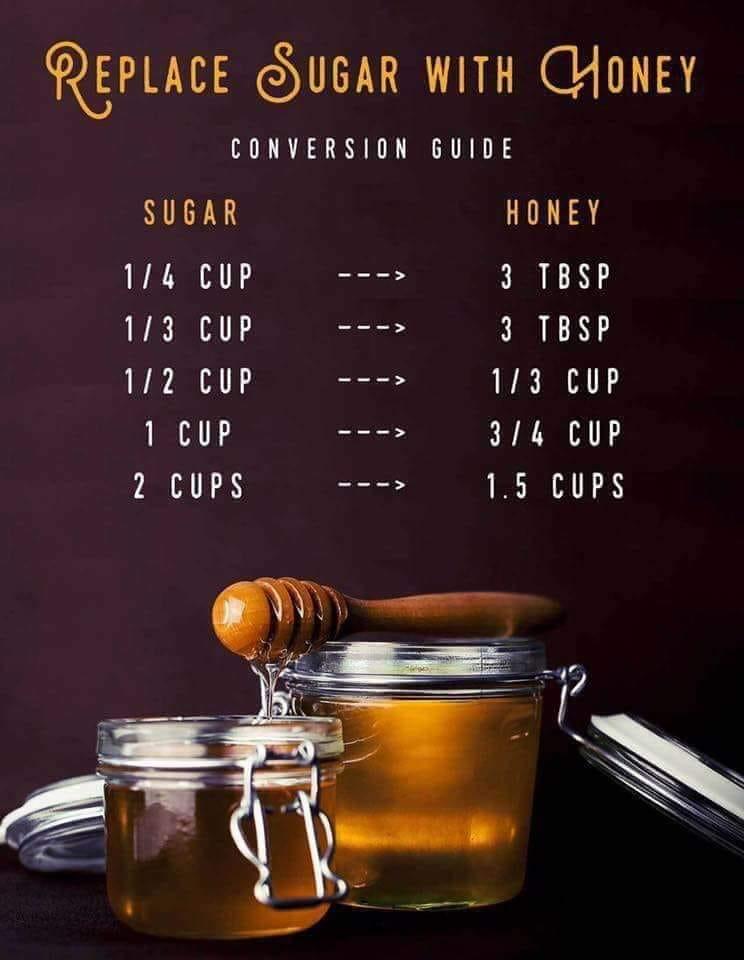
Why is honey better for you than sugar?
Raw honey and white sugar are both carbohydrates. And they both contain two primary sugars: fructose and glucose. But white sugar is 100% sugars (50% fructose and 50% glucose), while raw honey is about 85% sugars with fructose and glucose ratios that vary with each honey variety. The remaining 15% of honey is water, pollen and trace nutrients. Because of this different makeup, white sugar is absorbed into the body and blood at a faster rate than honey. Sugar absorption is measured by the glycemic index (GI). White sugar has a GI of 65, while most floral varieties of raw honey have a GI that ranges from 35 to 55. This means that raw honey will provide more even levels of energy, over a longer period of time, as compared to white sugar. Generally, raw honey with a higher percentage of fructose as compared to glucose will have a lower glycemic index.
Have you ever heard the phrase: "White sugar is empty calories?" That's because white sugar contains sugars and nothing else. But raw honey contains additional nutrients, including amino acids, enzymes, vitamins and minerals. These phytochemicals have anti-microbial, anti-fungal, and anti-oxidant properties which can contribute to a stronger immune system and better health and wellness.

🧩😏 Riddle me this, Neighbours…
I am an odd number. Take away a letter and I become even. What number am I?
Do you think you know the answer?
Want to stop seeing these in your newsfeed? No worries! Simply head here and click once on the Following button.

Vinyl records
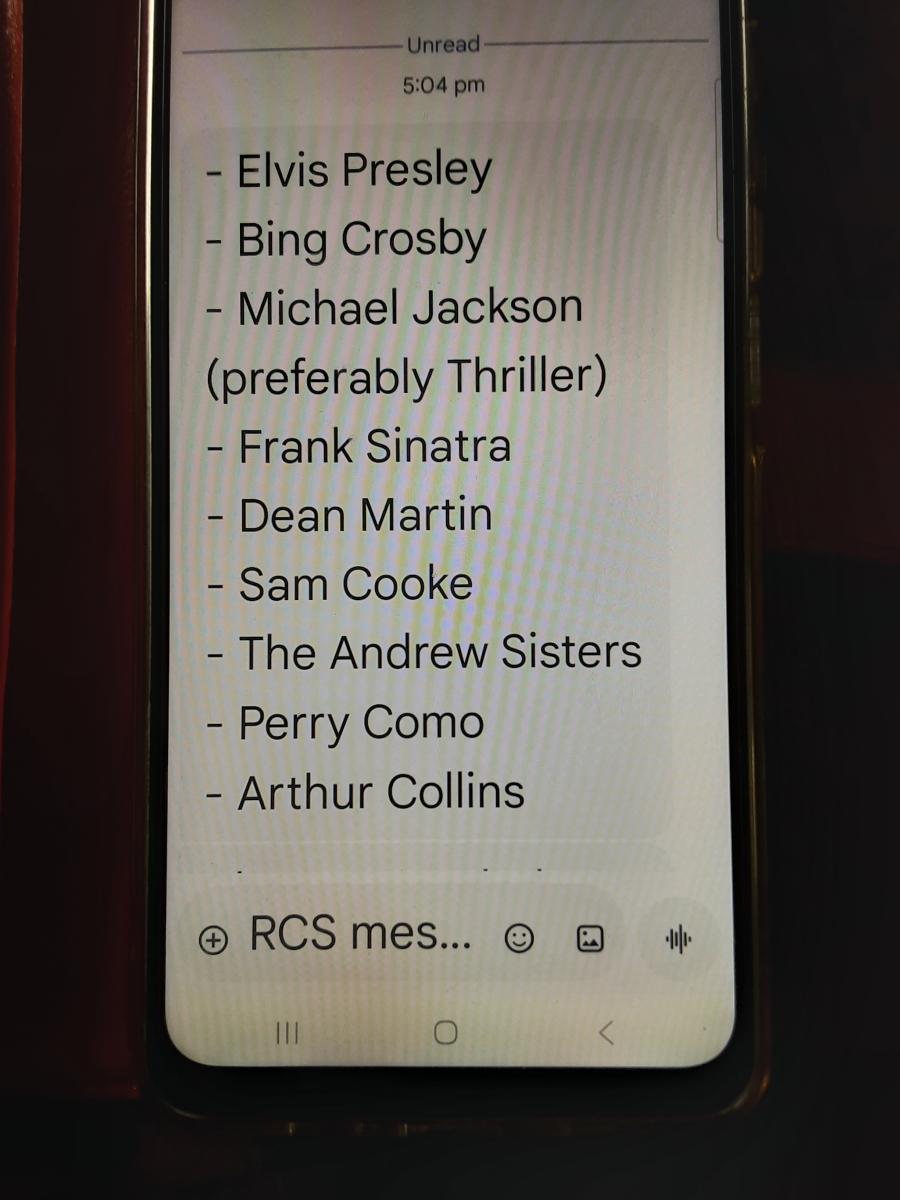
My young grandson has an interest in vinyl records , L Ps , he has just got a turntable and is looking for some records please . Wide variety , including artists on this list . Looking for lower cost please. Thanks if you can help . 0274403242

Some Choice News!
DOC is rolling out a new tool to help figure out what to tackle first when it comes to protecting our threatened species and the things putting them at risk.
Why does this matter? As Nikki Macdonald from The Post points out, we’re a country with around 4,400 threatened species. With limited time and funding, conservation has always meant making tough calls about what gets attention first.
For the first time, DOC has put real numbers around what it would take to do everything needed to properly safeguard our unique natural environment. The new BioInvest tool shows the scale of the challenge: 310,177 actions across 28,007 sites.
Now that we can see the full picture, it brings the big question into focus: how much do we, as Kiwis, truly value protecting nature — and what are we prepared to invest to make it happen?
We hope this brings a smile!

 Loading…