





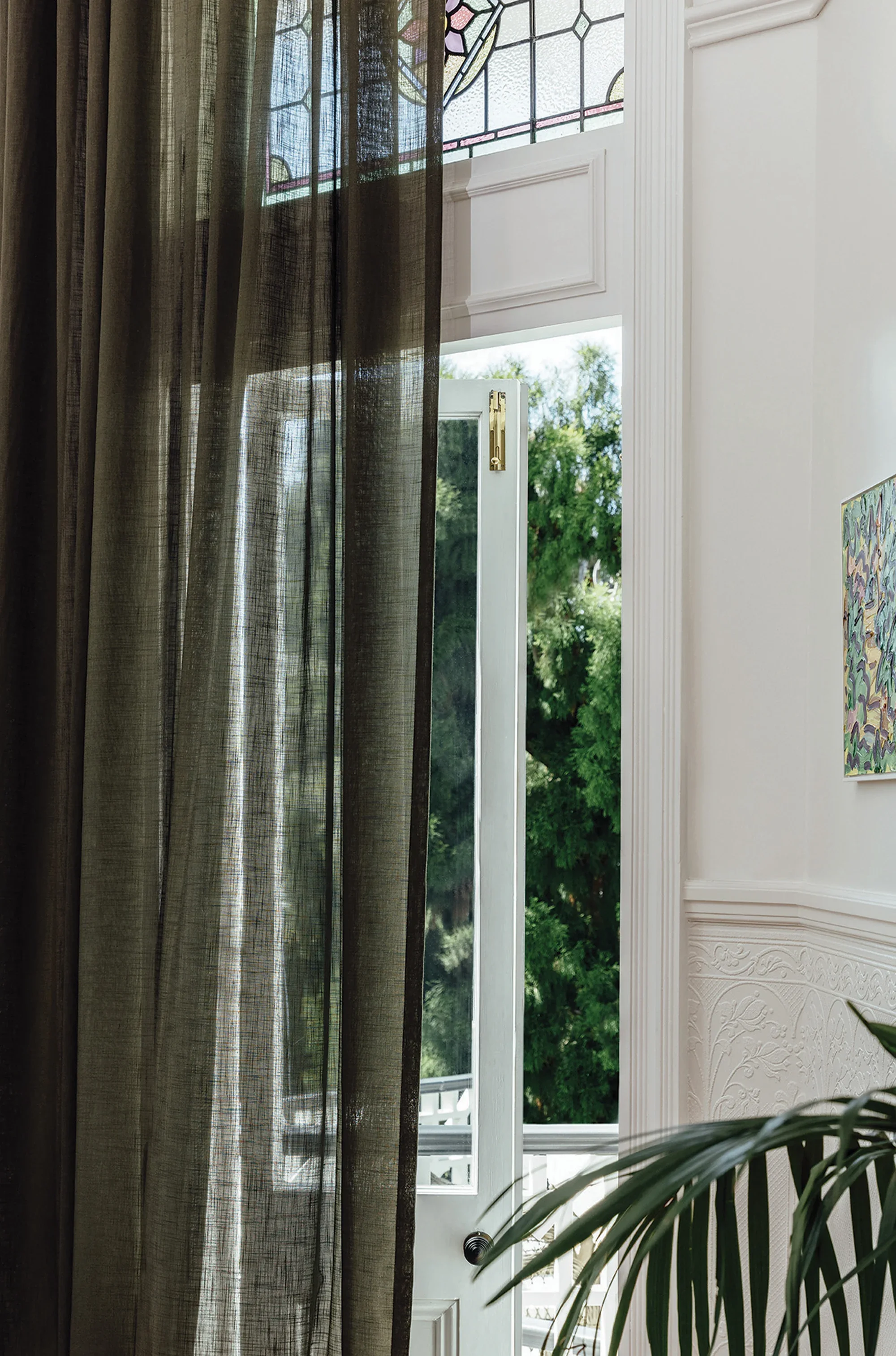
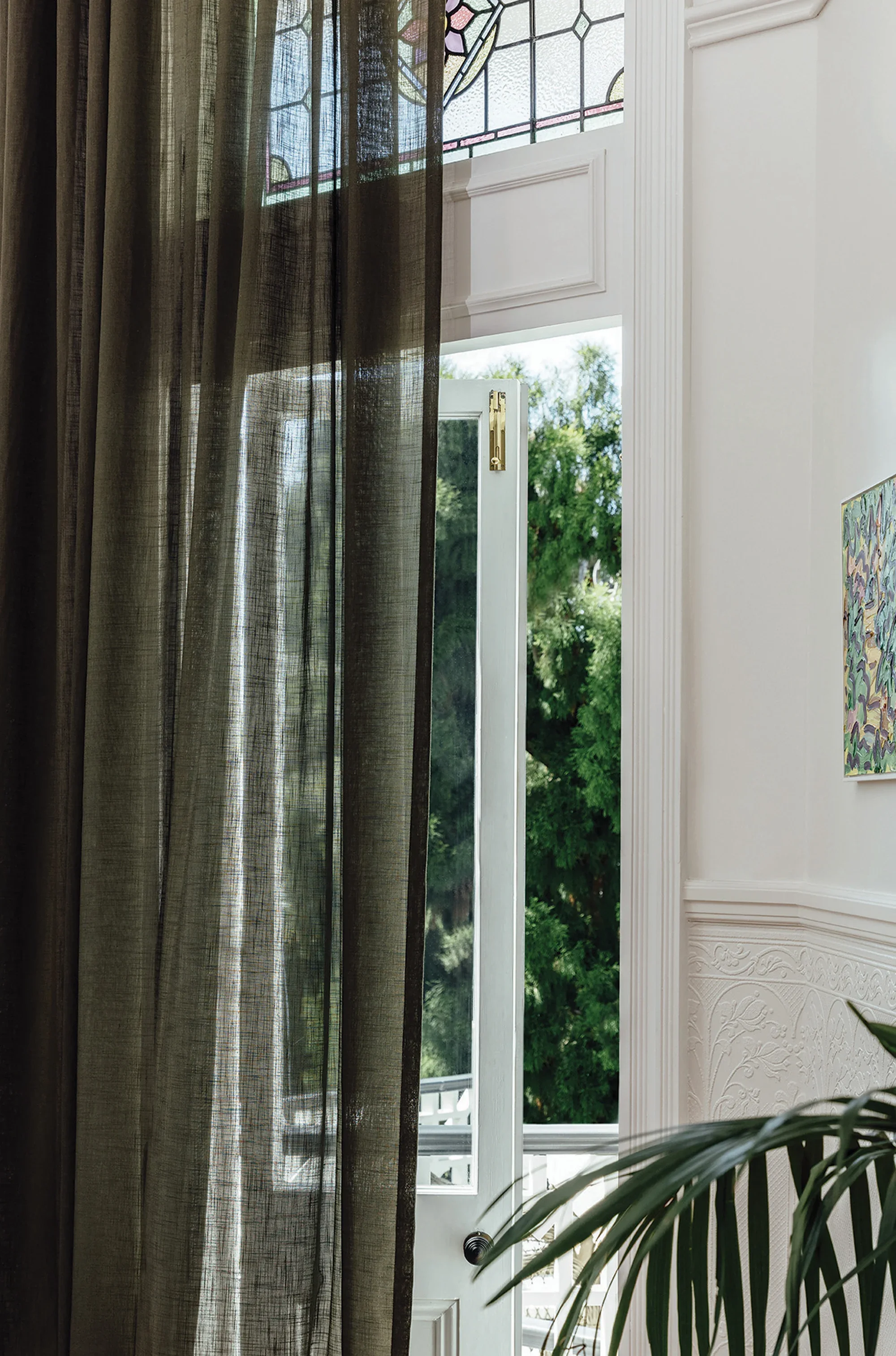
Recycled polyester
Along our journey to creating a more sustainable future, our studios are working to incorporate innovative textiles into our product offering. The technical advancement of recycled yarn production has led to textiles which are not only more environmentally friendly, but emulate the soft handle of virgin fibres. In this article we explain the process of transforming post-consumer plastic bottles into recycled polyester yarn, through an investigation into the production of our first recycled product Kumo Recycled by James Dunlop.
Woven in 92% recycled polyester and 8% polyester yarn, Kumo Recycled presents a modern perspective on fibre construction. Available in 15 decorative shades, Kumo Recycled is suitable for those seeking a high-performance wide width sheer that is fire retardant and has a weighted selvedge in both residential and commercial applications, elegantly framing the view in any setting.
THE RECYCLING PROCESS:
At the recycling facility, post-consumer PET bottles are magnetically sorted by a metal detector and the labels are washed off with water in a revolving cylinder called a Tromel. The clean PET bottles are then sorted into types and colours by a near infrared ray and spectrum camera before being shredded into flakes underwater.
Separation occurs as lighter plastics float to the tank’s surface. The flakes are dried in a tumbler, then rinsed with sodium hydroxide, dried, rinsed in water, and dried once more. Residual contaminants and metals are then blown out and the flakes are shredded into smaller flakes, ready to be used to produce a liquid polymer (resin).
Keep reading: www.curtainclean.co.nz...

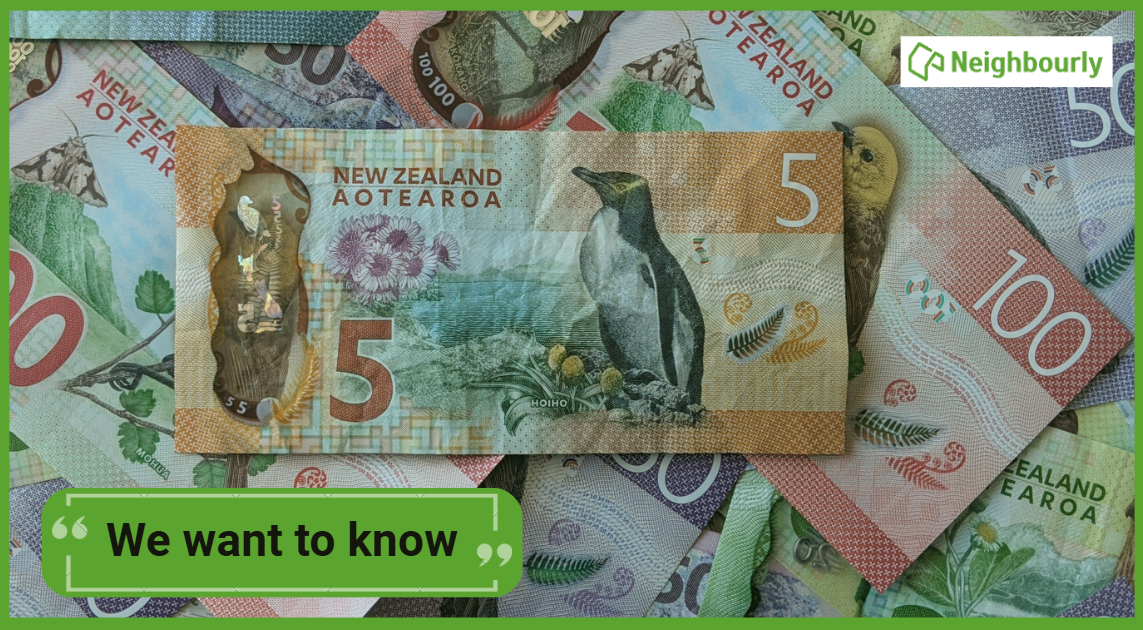
Poll: Should the government levy industries that contribute to financial hardship?
As reported in the Post, there’s a $30 million funding gap in financial mentoring. This has led to services closing and mentors stepping in unpaid just to keep helping people in need 🪙💰🪙
One proposed solution? Small levies on industries that profit from financial hardship — like banks, casinos, and similar companies.
So we want to hear what you think:
Should the government ask these industries to contribute?
-
59.5% Yes, supporting people is important!
-
26.2% No, individuals should take responsibility
-
14.3% ... It is complicated

Addictive Eaters Anonymous
After ten years of depression, my life had hit rock bottom
I remember being ‘different’ around food for most of my life. This included things such as being the person who had two cream buns at morning tea when everyone else had one; eating icing sugar by the spoonful directly from the packet; and being the family member who went into the kitchen after dinner to eat the leftovers. There are numerous other examples – too many to list. I could overeat anything. If I couldn’t get my preferred favourites (e.g. chocolate), I’d be eating the vegetables.


Fundraising
We are raising money to keep our mahi going. Allowing us to change more lives through creativity
givealittle.co.nz...
 Loading…