





Success in breeding kākāriki karaka
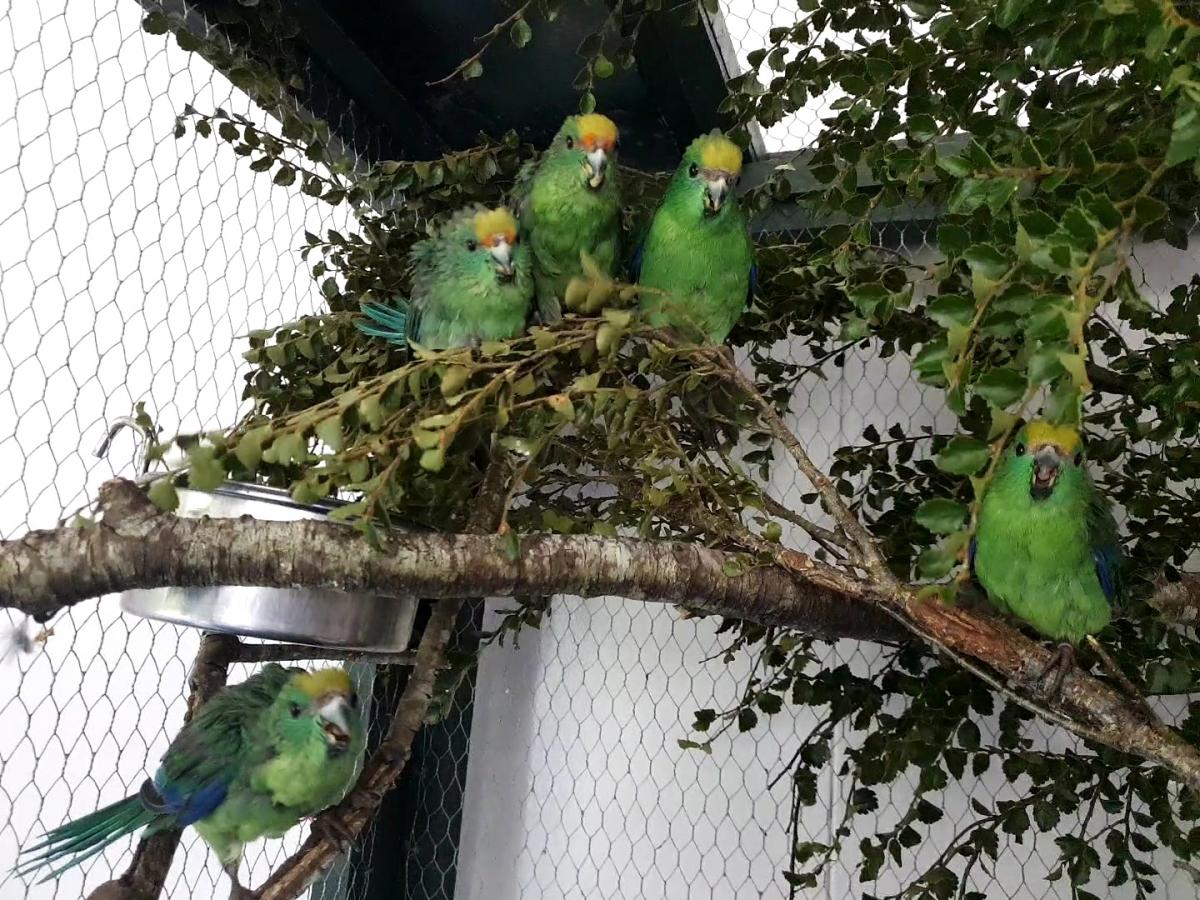
One of New Zealand's rarest and most endangered birds has been successfully bred at the Pūkaha National Wildlife Centre, near Masterton.
Orange-fronted parakeets (kākāriki karaka) were declared extinct twice in 1919 and 1965. Today their wild population number is just 100-300 individuals.
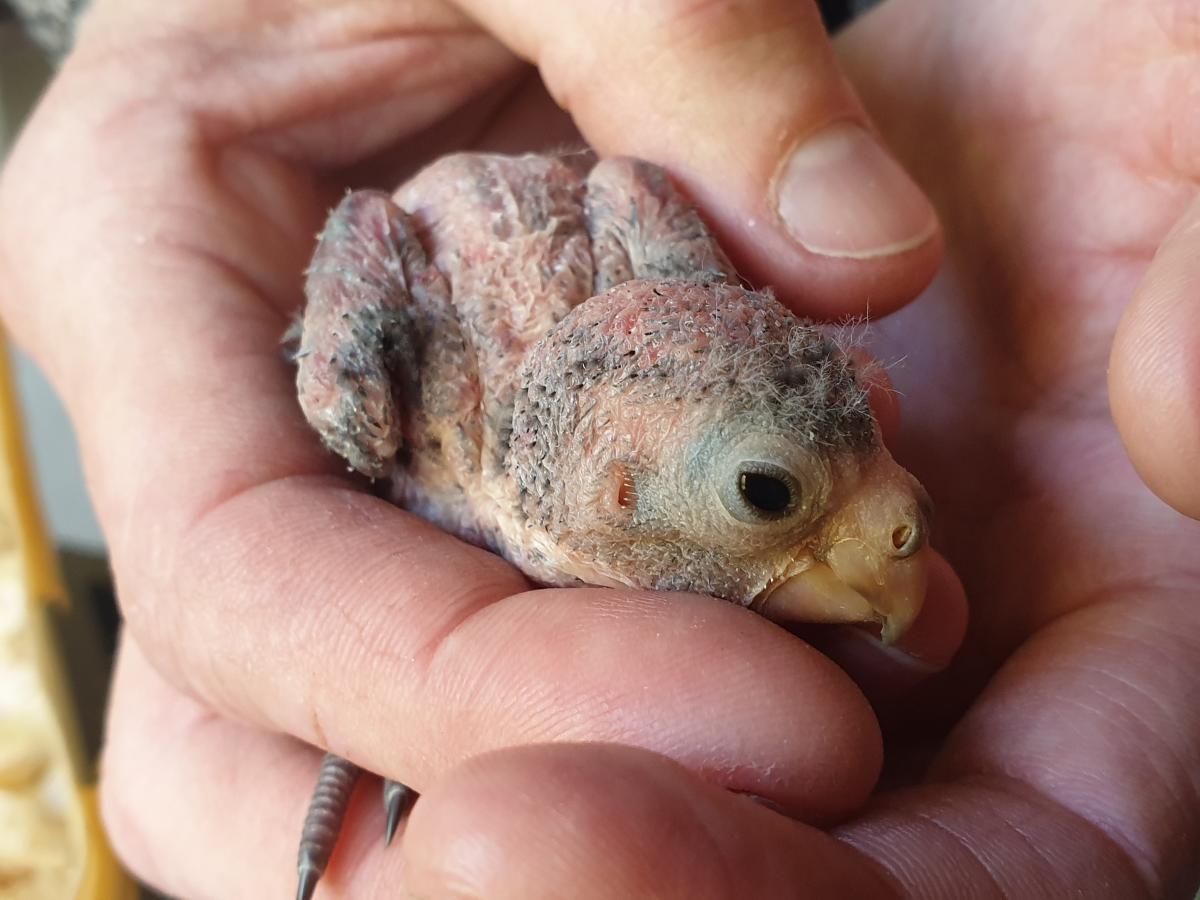
Successful hand-rearing of orange-fronted parakeets is considered extremely unlikely but Pūkaha had very little choice. The five chicks hatched in early August from one of the centre’s two breeding pairs, a male called Karaka and a female called Pōra. Not wanting to disturb the nest, it wasn’t until two weeks of age that rangers noticed that the feathers on the chicks were not developing. A closer inspection revealed that the chicks were bald and that their feathers had been plucked by their parents. Immediate intervention was required because the chicks were at imminent danger of dying from the cold. The only option for the parakeets’ survival was an attempt at hand-rearing.
The young chicks were immediately placed in brooders with heat lamps and fed a diet of parrot rearing formula. It took about three weeks for the chicks to get their feathers. Some six weeks later, all five chicks are fully grown, flying, and eating by themselves.

🪱🐦 When are you the most productive? 🌙🦉
The Post has been diving into our daily habits, and research suggests being an early bird or a night owl isn’t just a choice—it’s biology! We all have that specific time when our brains finally "click" into gear.
This raises a big question for the modern workplace. To get the best out of everyone, should employers accommodate our natural body clocks? This idea is at the heart of the four-day work week and flexible scheduling movements.
We want to hear from you:
1. When does your brain "click" into gear?
2. Would a flexible (or shortened) schedule change the way you work?

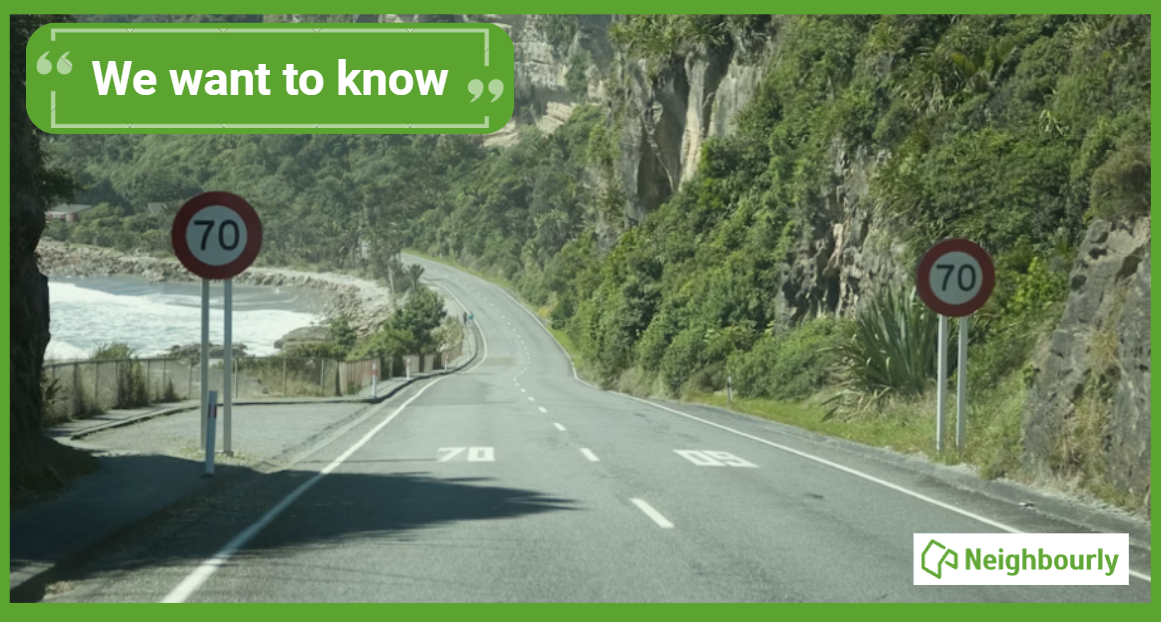
Poll: If we want to reduce speeding, what do you think actually changes driver behaviour? 🛻🚨🚓
In the Post's article on speeding penalties, the question is asked whether speeding fines are truly about road safety, or are they just a way to boost revenue for the Crown?
What do you think? Should speeding motorists receive speeding fines or demerit points?
-
35.8% The sting of a fine (Money talks!)
-
64.2% The threat of demerit points (Nobody wants to lose their license!)

🎉 Riddle me this, legends! 🎉
He/She who makes it, sells it.
He/She who buys it, doesn't use it.
The user doesn't know they are using it.
What is it?
(Shezz from Ngāruawāhia kindly provided this head-scratcher ... thanks, Shezz!)
Do you think you know the answer? Simply 'Like' this post if you know the answer and the big reveal will be posted in the comments at 2pm on the day!
Want to stop seeing these in your newsfeed?
Head here and hover on the Following button on the top right of the page (and it will show Unfollow) and then click it. If it is giving you the option to Follow, then you've successfully unfollowed the Riddles page.

 Loading…