






Was Bill Sutch a spy?
It has taken nearly 50 years but a new book on Bill Sutch is sure to spark debate in to an old controversy.
In September 1974, Bill Sutch was arrested and charged under the Official Secrets Act 1951, after a series of clandestine meetings with KGB agent Dimitri Rasgovorov, an official at the Soviet Union's embassy, in Wellington.
He was subsequently acquitted but documents later found in the KGB archive suggested he was a Soviet agent.
His son-in-law, Keith Ovenden, has now written a book, Bill & Shirley: A Memoir, looking at the life of Sutch and his wife Shirley Smith. Smith was a prominent lawyer and the first woman in New Zealand to be a full member of a university law faculty.


🪱🐦 When are you the most productive? 🌙🦉
The Post has been diving into our daily habits, and research suggests being an early bird or a night owl isn’t just a choice—it’s biology! We all have that specific time when our brains finally "click" into gear.
This raises a big question for the modern workplace. To get the best out of everyone, should employers accommodate our natural body clocks? This idea is at the heart of the four-day work week and flexible scheduling movements.
We want to hear from you:
1. When does your brain "click" into gear?
2. Would a flexible (or shortened) schedule change the way you work?

Poll: Are you still heading to your local for your caffeine fix, or has the $$ changed your habits? ☕
Wellington’s identity is built on its cafe culture, but with costs climbing, that culture is under pressure. We’ve seen the headlines about recent closures, and it’s a tough pill to swallow along with a $6+ coffee.
We all want our favourite spots to stay open, but we also have to balance our own budgets ⚖️
We want to know: How are you handling the "coffee math" in 2026? Are you still heading to your local for a chat and a caffeine fix, or has the cost of living changed your habits?
Keen to read more about "coffee math"? The Post has you covered.

-
45.4% I avoid spending money on coffee
-
42.6% I still indulge at my local cafe
-
12% Irrelevant - coffee is not for me
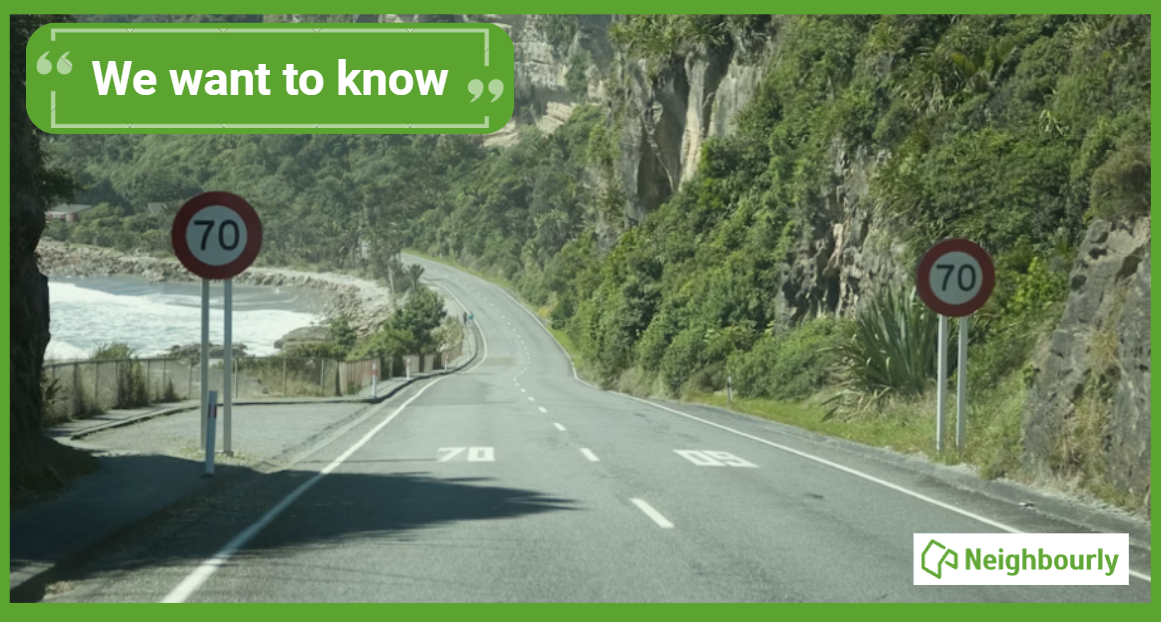
Poll: If we want to reduce speeding, what do you think actually changes driver behaviour? 🛻🚨🚓
In the Post's article on speeding penalties, the question is asked whether speeding fines are truly about road safety, or are they just a way to boost revenue for the Crown?
What do you think? Should speeding motorists receive speeding fines or demerit points?
-
35.8% The sting of a fine (Money talks!)
-
64.2% The threat of demerit points (Nobody wants to lose their license!)
 Loading…