




Breath of the Birds: the Revival of Taonga Puoro
The annual Lilburn Lectures are a collaboration between the Lilburn Trust and the National Library of New Zealand. This year’s Lilburn Lecture will be the seventh in this series of open public talks. Refreshments will be served following the Lecture.
Friday 1 November 2019
Time 6:00pm to 7:00pm
Cost Free. RSVP as places are limited. Keith.McEwing@dia.govt.nz
Venue Taiwhanga Kauhau — Auditorium (lower ground floor), Corner Molesworth and Aitken Streets, Wellington. Entrance on Aitken Street.
Esteemed New Zealand composer Dame Gillian Whitehead (Ngāi te Rangi) will speak of the origin of ngā taonga puoro, their revival, and how she has used these traditional Māori musical instruments in her work. The lecture will include a performance by NZSO principal flautist, Bridget Douglas and taonga puoro performer and researcher, Alistair Fraser.
About the speaker:
Dame Gillian Whitehead has written a wide range of music including works for solo, chamber, choral, orchestral and operatic forces, most of them direct commissions from performers and funding organisations. A number of her works have been recorded for commercial release, including a CD of her chamber works by Wai-te-ata Press and a recording of her opera, Outrageous Fortune. In 2000 she became one of the inaugural Artist Laureates of the NZ Arts Foundation. In 2008 she became a Distinguished Companion of the New Zealand Order of Merit, one of New Zealand’s highest
honours, and she was granted the title ‘Dame’ in 2009. 2018 saw Gillian receive an Arts Icon Award, recognising her enormous contribution to New Zealand’s cultural landscape. Overseen by the Arts Foundation, there are only 20 of these awards in circulation at any time, the recipient holding the award for life. A significant collection of Dame Gillian’s works is held in the Alexander Turnbull Library.
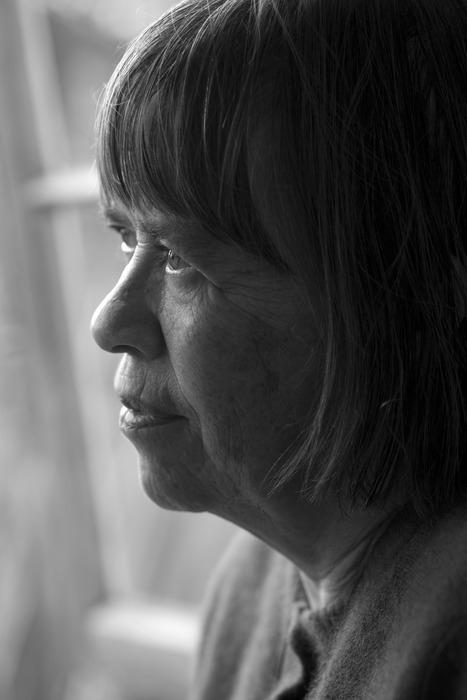
Image: Photographs of Gillian Whitehead. Ref: PADL-000849. Alexander Turnbull Library, Wellington, New Zealand. /records/32058367

🪱🐦 When are you the most productive? 🌙🦉
The Post has been diving into our daily habits, and research suggests being an early bird or a night owl isn’t just a choice—it’s biology! We all have that specific time when our brains finally "click" into gear.
This raises a big question for the modern workplace. To get the best out of everyone, should employers accommodate our natural body clocks? This idea is at the heart of the four-day work week and flexible scheduling movements.
We want to hear from you:
1. When does your brain "click" into gear?
2. Would a flexible (or shortened) schedule change the way you work?

🌉🛶 Early Birds Might Crack This One First… or Not? 🥚🧠
A person is crossing a bridge and sees a boat full of people, yet there isn't a single person on board.
How is this possible?
(Susan from Massey kindly provided this head-scratcher ... thanks, Susan!)
Do you think you know the answer? Simply 'Like' this post if you know the answer and the big reveal will be posted in the comments at 2pm on the day!
Want to stop seeing these in your newsfeed?
Head here and hover on the Following button on the top right of the page (and it will show Unfollow) and then click it. If it is giving you the option to Follow, then you've successfully unfollowed the Riddles page.
Poll: Are you still heading to your local for your caffeine fix, or has the $$ changed your habits? ☕
Wellington’s identity is built on its cafe culture, but with costs climbing, that culture is under pressure. We’ve seen the headlines about recent closures, and it’s a tough pill to swallow along with a $6+ coffee.
We all want our favourite spots to stay open, but we also have to balance our own budgets ⚖️
We want to know: How are you handling the "coffee math" in 2026? Are you still heading to your local for a chat and a caffeine fix, or has the cost of living changed your habits?
Keen to read more about "coffee math"? The Post has you covered.

-
45.3% I avoid spending money on coffee
-
41.6% I still indulge at my local cafe
-
13.1% Irrelevant - coffee is not for me
 Loading…