




Success in breeding kākāriki karaka
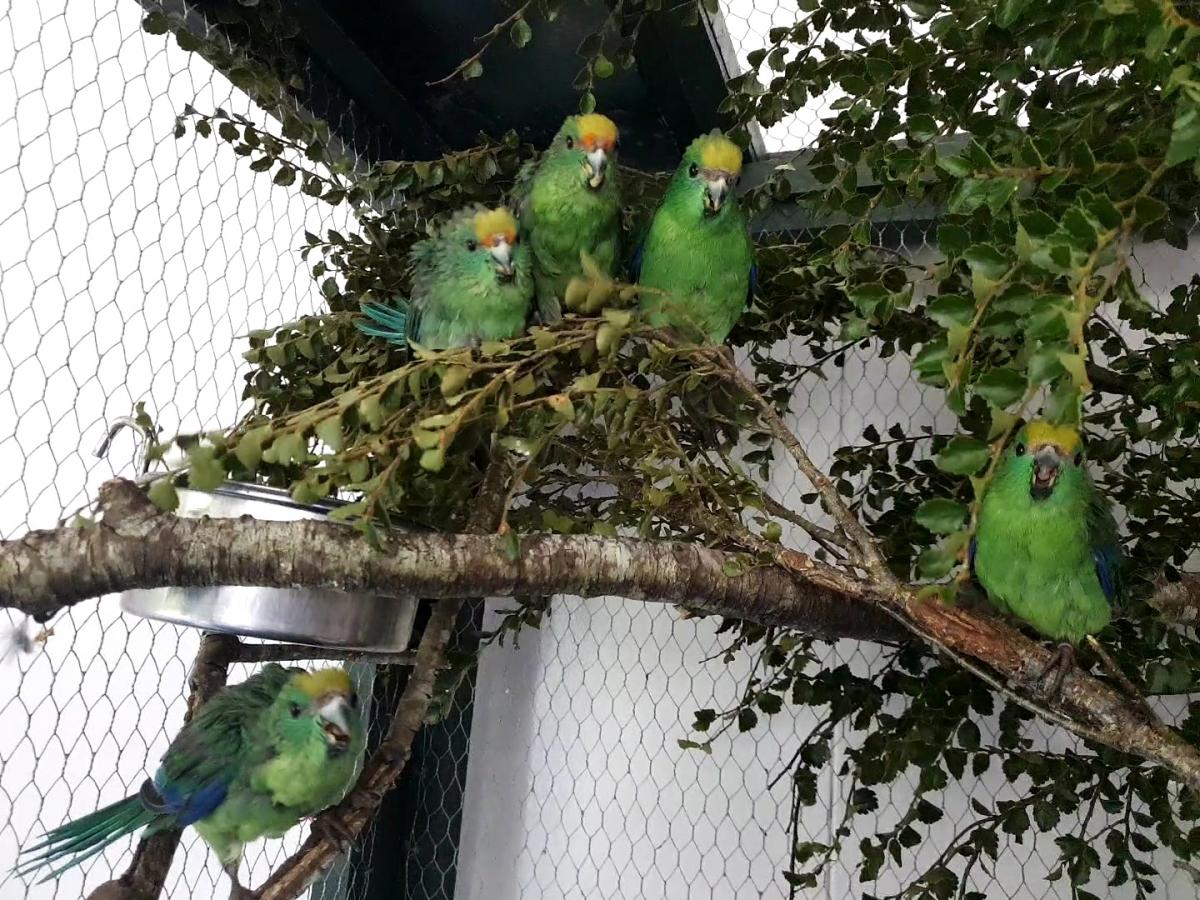
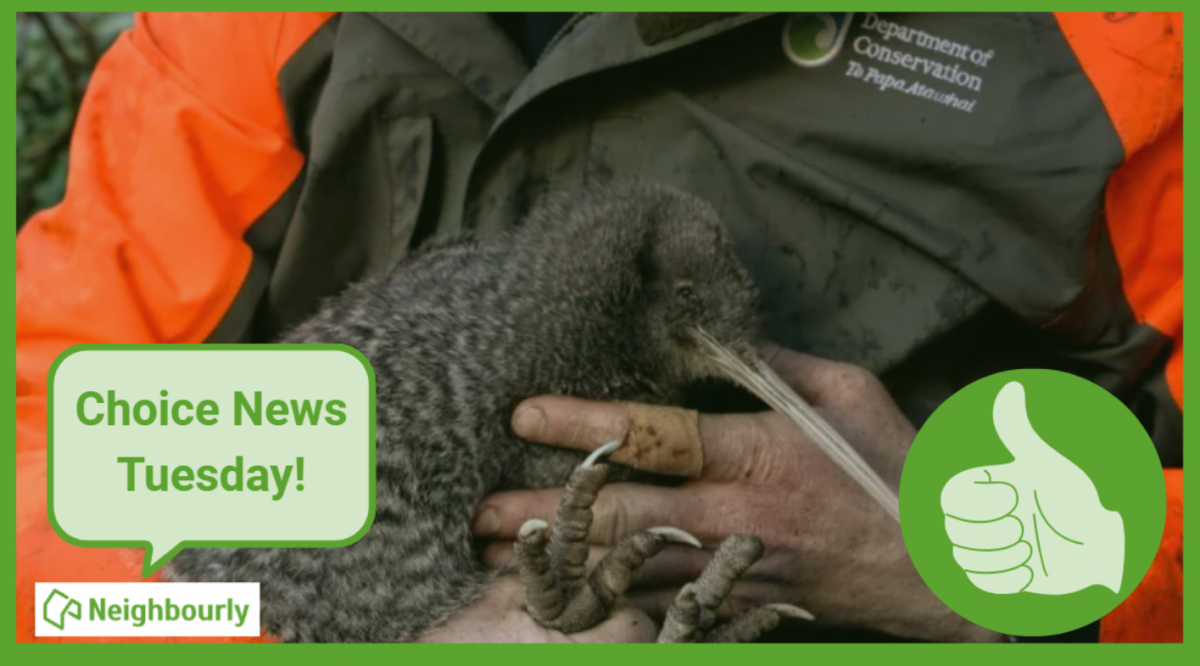
One of New Zealand's rarest and most endangered birds has been successfully bred at the Pūkaha National Wildlife Centre, near Masterton.
Orange-fronted parakeets (kākāriki karaka) were declared extinct twice in 1919 and 1965. Today their wild population number is just 100-300 individuals.
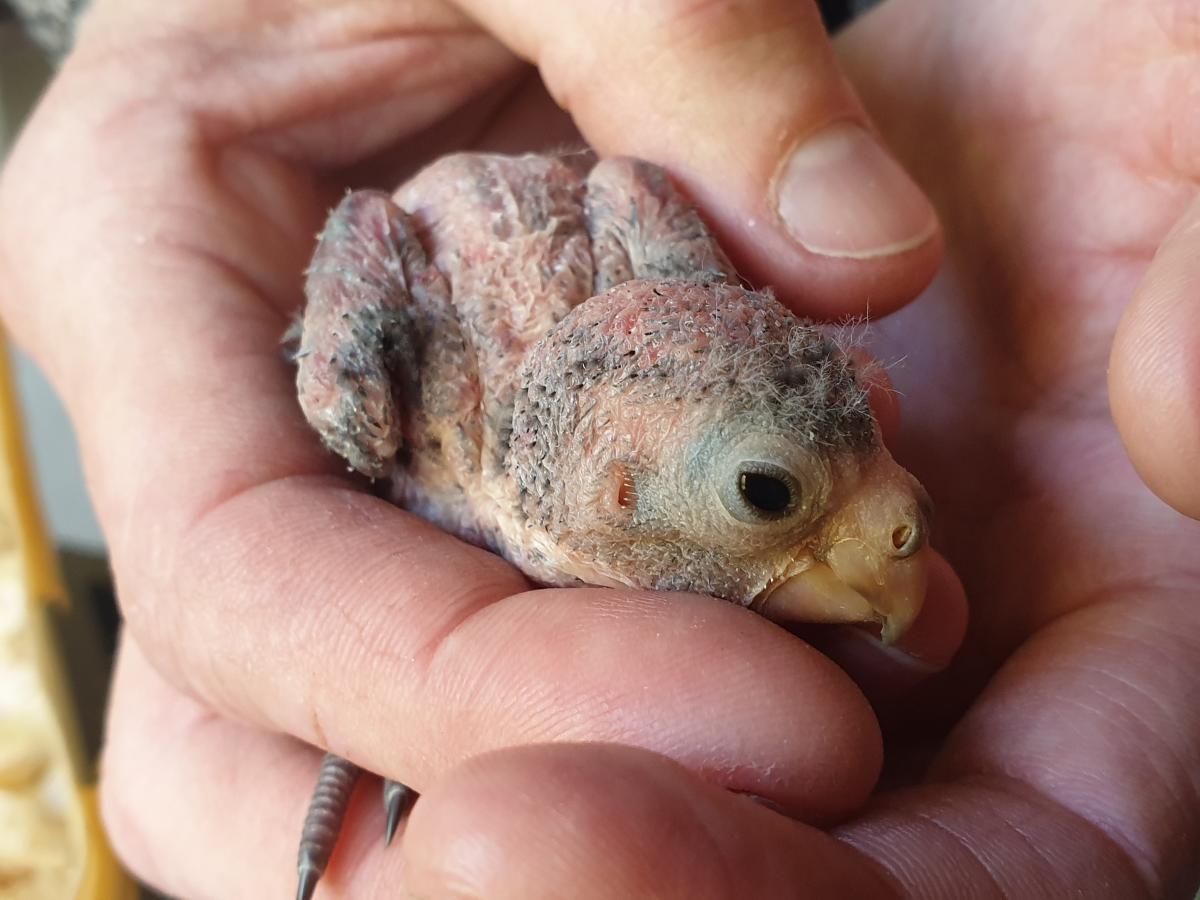
Successful hand-rearing of orange-fronted parakeets is considered extremely unlikely but Pūkaha had very little choice. The five chicks hatched in early August from one of the centre’s two breeding pairs, a male called Karaka and a female called Pōra. Not wanting to disturb the nest, it wasn’t until two weeks of age that rangers noticed that the feathers on the chicks were not developing. A closer inspection revealed that the chicks were bald and that their feathers had been plucked by their parents. Immediate intervention was required because the chicks were at imminent danger of dying from the cold. The only option for the parakeets’ survival was an attempt at hand-rearing.
The young chicks were immediately placed in brooders with heat lamps and fed a diet of parrot rearing formula. It took about three weeks for the chicks to get their feathers. Some six weeks later, all five chicks are fully grown, flying, and eating by themselves.

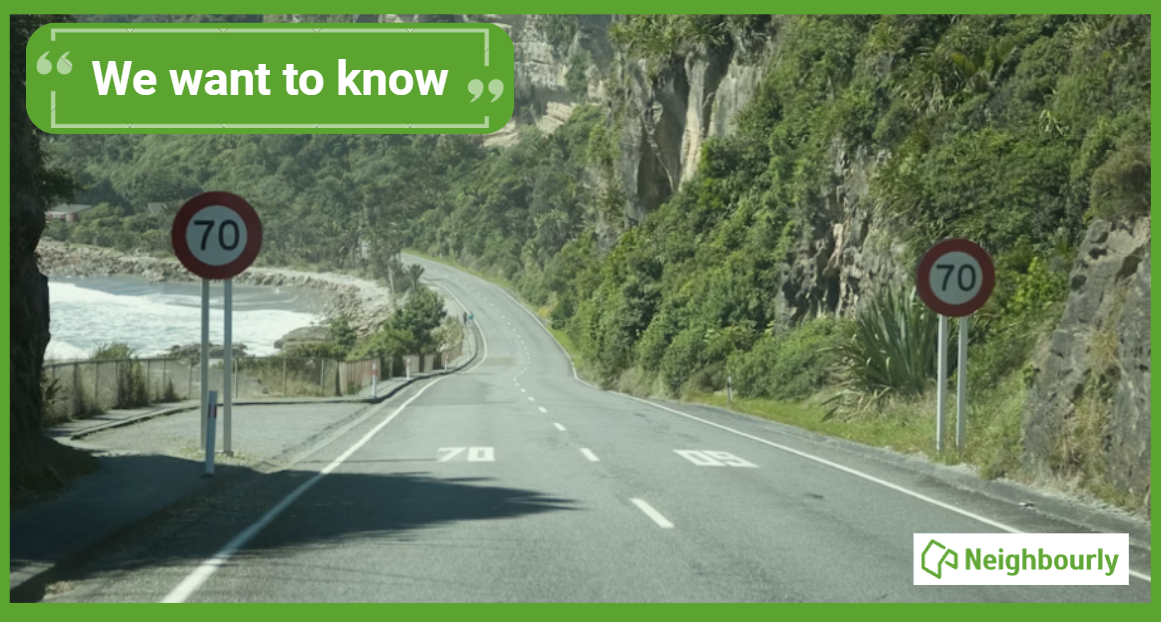
Poll: If we want to reduce speeding, what do you think actually changes driver behaviour? 🛻🚨🚓
In the Post's article on speeding penalties, the question is asked whether speeding fines are truly about road safety, or are they just a way to boost revenue for the Crown?
What do you think? Should speeding motorists receive speeding fines or demerit points?
-
32.6% The sting of a fine (Money talks!)
-
67.4% The threat of demerit points (Nobody wants to lose their license!)

Some Choice News!
DOC is rolling out a new tool to help figure out what to tackle first when it comes to protecting our threatened species and the things putting them at risk.
Why does this matter? As Nikki Macdonald from The Post points out, we’re a country with around 4,400 threatened species. With limited time and funding, conservation has always meant making tough calls about what gets attention first.
For the first time, DOC has put real numbers around what it would take to do everything needed to properly safeguard our unique natural environment. The new BioInvest tool shows the scale of the challenge: 310,177 actions across 28,007 sites.
Now that we can see the full picture, it brings the big question into focus: how much do we, as Kiwis, truly value protecting nature — and what are we prepared to invest to make it happen?
We hope this brings a smile!

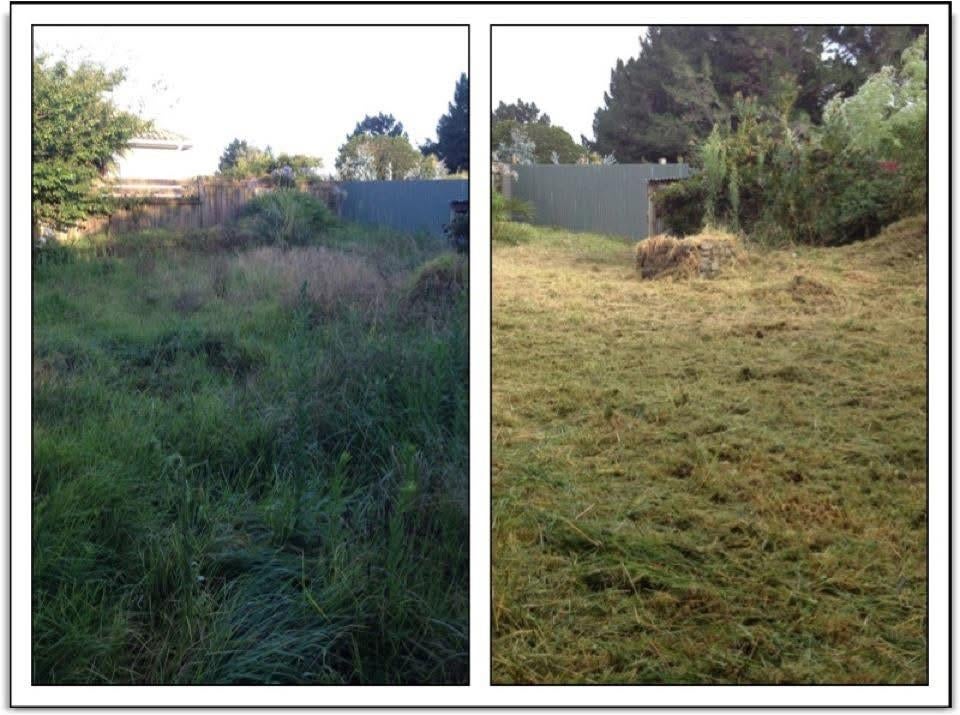
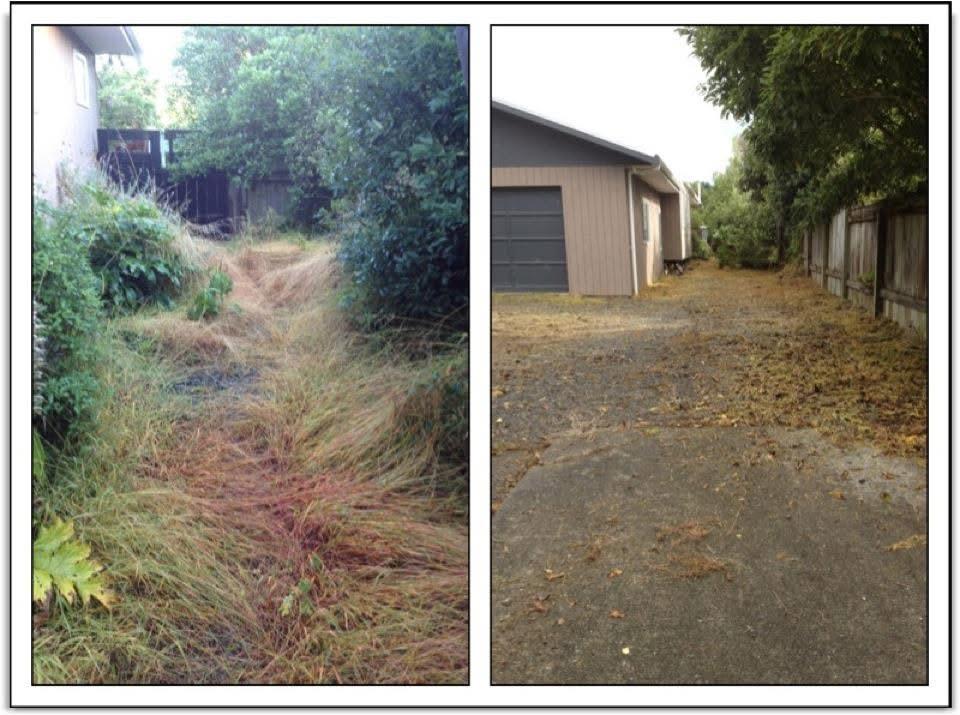
Gardening and section clearing
Do you loath gardening ? We can assist- no job too big or small
Message us call us today for a free quote
0272430951
Natures choice
 Loading…