





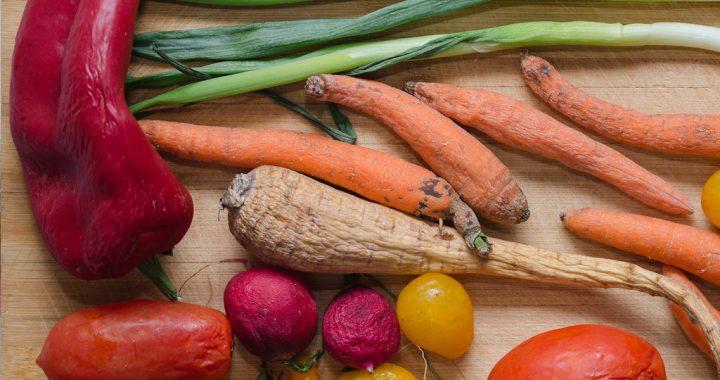
How to make your food last longer
Tips to extend the shelf life of popular staples, such as bread, flour and fruit.
Dealing with a bulging pantry? Here are our tips to get the longest life out of your cupboard staples and fresh produce.
Best-before and use-by dates: know the difference: Best-before dates give you information about food quality. Food can be eaten and sold after its best-before date. However, it may have lost some nutritional value and might not taste the best. If a food has a shelf-life of two or more years, it doesn’t need a best-before date.
As soon as you open any food’s packaging, its shelf life becomes the same as if the product was unpackaged. How long it’s safe to eat depends on several factors: its water and protein content, quality when you bought it, and how it’s been stored.
Use-by dates are usually on perishable foods such as poultry and deli foods. A food can’t legally be sold after its use-by date and shouldn’t be eaten because it can make you sick.
Bread: Bread keeps the longest in the freezer (though it’s not as convenient, as you have to wait for it to defrost). If you’re a pantry-only fan, it should be kept in its packaging (paper or plastic if it’s homemade) and stored in a cool dry area– ideally in a bread tin if you have one. A good compromise is the middle shelf of the fridge, but it will still get stale as it dries out.
If your bread’s stale, whiz it in the food processor to make breadcrumbs, which you can then pop into a resealable container for freezing. You can use it to crumb meat and fish or add it to dishes (for example, meatballs or pasta bakes).
Tip: Freeze half your loaf and keep the other half out. The half in the freezer won’t get stale or mouldy.
Eggs: Eggs keep longer in the fridge but they can be stored at room temperature (as long as it’s 15°C or lower). Either way, store your eggs in their original carton: it keeps them safe from cracking, slows moisture loss, stops them absorbing other food smells and you’ll know the best-before date.
Tip: Check eggs are safe to eat with the float test. Place the egg in a bowl or cup of water. If the egg sinks, it’s good to eat. If it floats, throw it away.
Flour and dry ingredients: Store your flour in a large, airtight container that your measuring cup can fit in. A container with a screw-top is best, but any well-sealed lid will be fine. Transfer other dry ingredients (for example, baking powder and baking soda) that don’t come in resealable packets to an airtight container. Or use a resealing bag clip.
This help prevents weevils getting into your baking stash. Some people swear that adding a bay leaf will keep weevils away.
Pantry moths are sometimes lurking in your dry goods – sometimes in new purchases. Freezing the ingredients should kill the moths and any larvae. Wrap the goods in a plastic bag and freeze for two days, before then storing in an airtight container.
Sugar: Sugar should be stored in an airtight container in a cool, dry place. It shouldn’t be kept in the fridge because this exposes it to moisture, which can make it go hard.
Sugar doesn’t have a best-before date because it doesn’t grow mould.
Keep reading: www.curtainclean.co.nz...

🧩😏 Riddle me this, Neighbours…
I am an odd number. Take away a letter and I become even. What number am I?
Do you think you know the answer?
Want to stop seeing these in your newsfeed? No worries! Simply head here and click once on the Following button.


Poll: Are you still heading to your local for your caffeine fix, or has the $$ changed your habits? ☕
Wellington’s identity is built on its cafe culture, but with costs climbing, that culture is under pressure. We’ve seen the headlines about recent closures, and it’s a tough pill to swallow along with a $6+ coffee.
We all want our favourite spots to stay open, but we also have to balance our own budgets ⚖️
We want to know: How are you handling the "coffee math" in 2026? Are you still heading to your local for a chat and a caffeine fix, or has the cost of living changed your habits?
Keen to read more about "coffee math"? The Post has you covered.

-
35.8% I avoid spending money on coffee
-
54.3% I still indulge at my local cafe
-
9.9% Irrelevant - coffee is not for me

Turning Streets into Stories
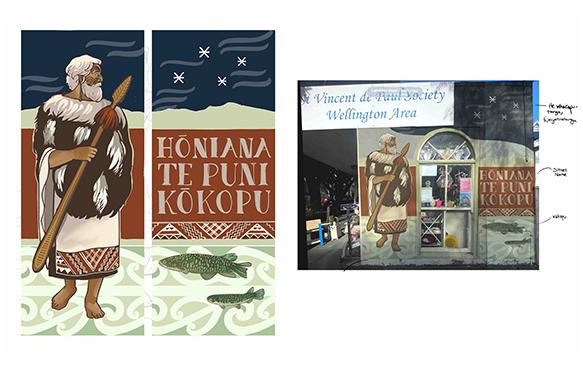
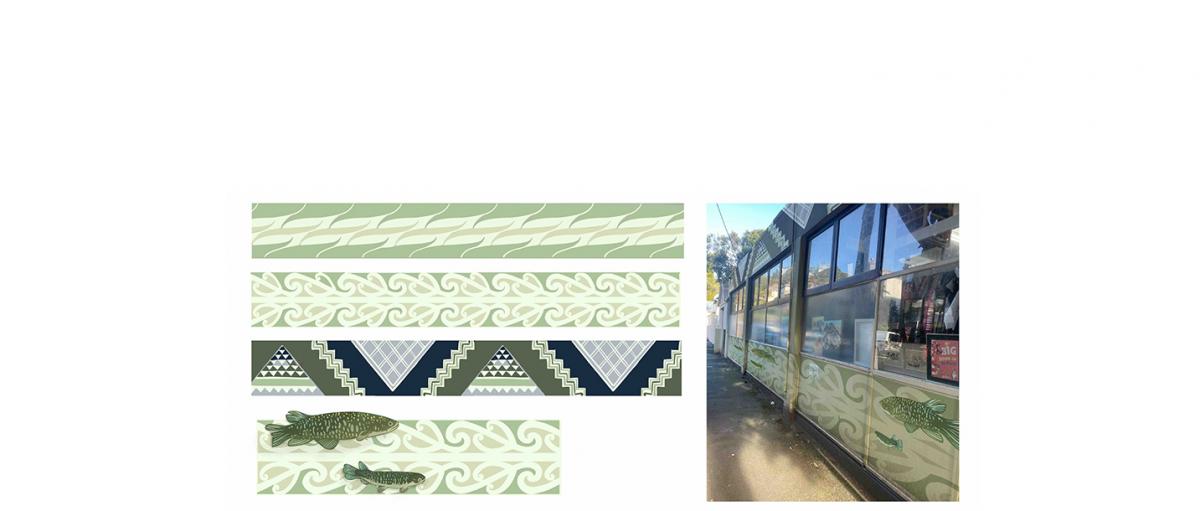
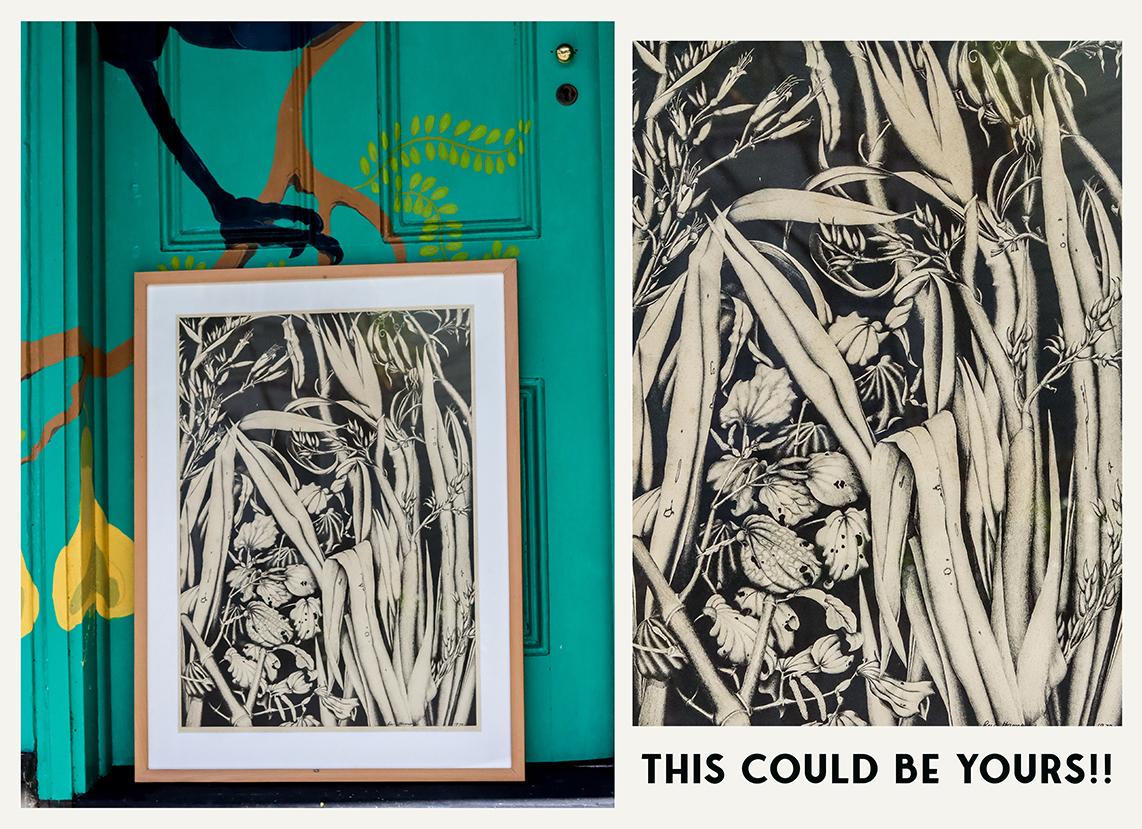
We are the Aro Valley Collective, a non- profit working to bring Art Murals to the Valley. We have a PledgeMe page up for the latest Art Mural and we are nearly at 75% of our goal. With 8 days to go we need some more support from Donors so we're reaching out to all lovers of Art, storytelling, nature and basically life!! The PledgeMe page has a video where the Artist Isobel Te Aho-White shares her vision for a stunning Mural that will encompass the St Vinnies Op Shop building, corner of Honiana Te Puni & Aro Streets. Please click through the PledgeMe link (below) to see the Video and if you wish to donate via another method, please get in touch. There's also a raffle that every donor goes into, a signed Rei Hamon print pictured below. Donated by David White, framed by Ron Barber. Our sponsors for materials: Resene and Bunnings. Many thanks Neighbours!
pledgeme.co.nz...
 Loading…