





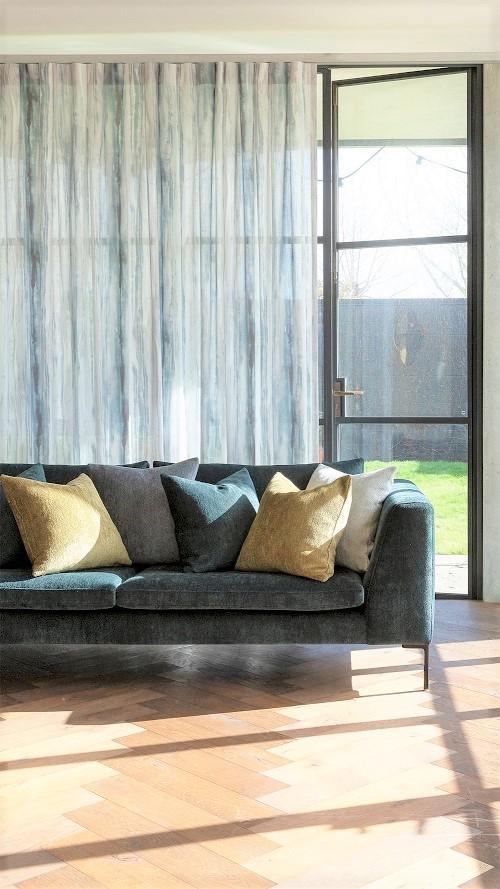
An Insight into Viscose
Viscose, or Rayon, was the first regenerated fibre to be manufactured for commercial production in the early 1900s.
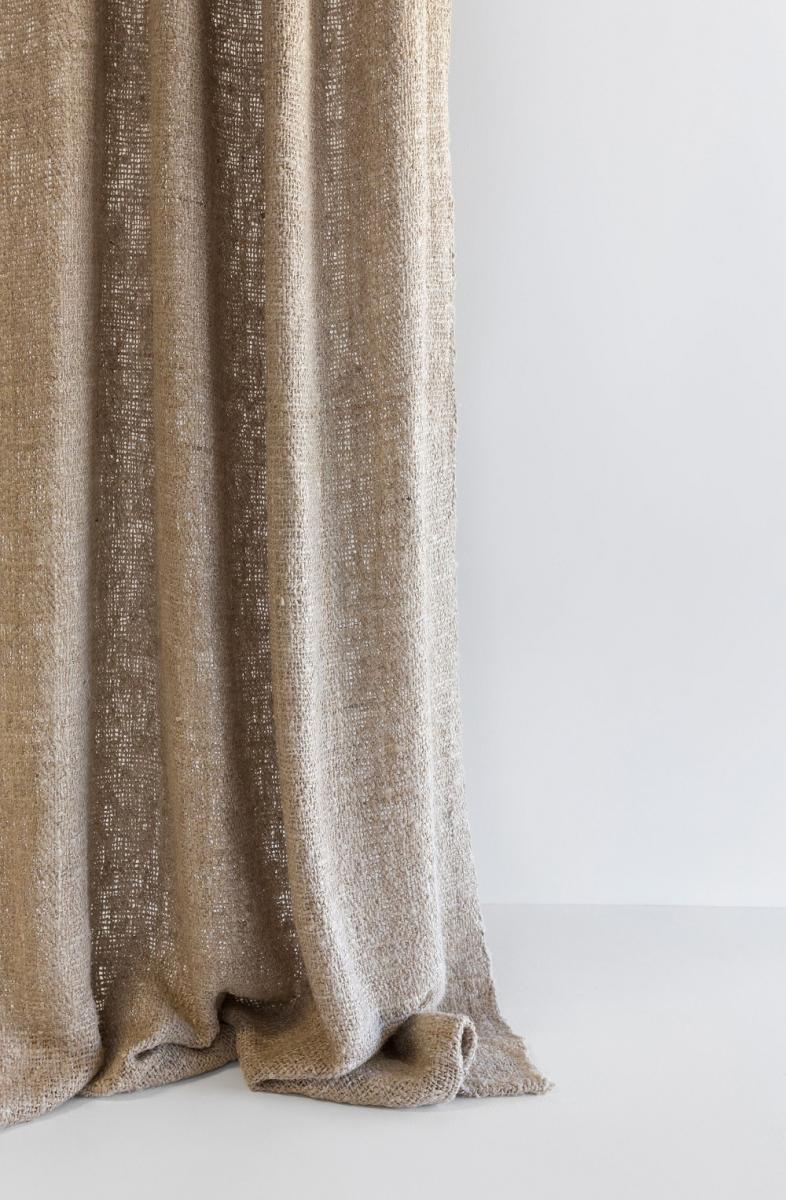
As a fabric, it is able to emulate the extremely soft handle and subtle sheen of natural fibres, whilst being more cost effective to produce. Therefore, resulting in the continued popularity of viscose in fashion and soft furnishings.
Although viscose begins as a natural fibre, it is different from products like linen and cotton because it undergoes a manufacturing process. During this process, wood pulp is dissolved in alkali to make the solution called viscose, which is then squeezed through a nozzle or spinneret into an acid bath to create filaments called regenerated cellulose, and finally spun into yarn.
As with all natural fibres, viscose has a unique personality and requires special care. In this article we will discuss the characteristics of this versatile fabric, whether it is the right choice for your next project, and its unexpected enemy – H2O.
Characteristics of Viscose:
• Soft Handle
• Luxurious appearance and subtle natural lustre.
• Viscose yarn absorbs and holds dye well. Especially when piece dyed, a viscose product has the ability to reflect vibrant and bold colour.
• Can be engineered to resemble other natural fibres such as linen cotton and silk, while in most instances, can be more cost effective.
• Absorbent fibre and less durable when wet. We recommend that fabric qualities with a high percentage of viscose yarn are not washed or spot cleaned with water. Due to the absorbent nature of the yarn, spot cleaning can result in watermarks occurring.
• Dry Cleanable. In most cases we recommend a professional dry clean for compositions with a high amount of viscose.
• Low thermal retention. This characteristic mostly applies to the fashion apparel industry. Being a cellulose based fibre, it does not retain heat as well.
• As with all natural fibres, viscose can be susceptible to fading in direct sunlight due to the extreme UV conditions in Australasia. We recommend you are mindful of where natural fibres are situated in the home. In a drapery situation we always recommend a quality lining.
• For interior textiles, a fabric with a component of viscose yarn is extremely versatile and can be used in drapery, upholstery and accessory applications. We don’t typically recommend viscose fabrics to be used for bedding due to the fibre generally being dry clean only.
• A fabric that contains a viscose component can have the same fabric dye processes, finishes and printing applications as other natural fibres.
Keep reading: www.curtainclean.co.nz...

Poll: Are you still heading to your local for your caffeine fix, or has the $$ changed your habits? ☕
Wellington’s identity is built on its cafe culture, but with costs climbing, that culture is under pressure. We’ve seen the headlines about recent closures, and it’s a tough pill to swallow along with a $6+ coffee.
We all want our favourite spots to stay open, but we also have to balance our own budgets ⚖️
We want to know: How are you handling the "coffee math" in 2026? Are you still heading to your local for a chat and a caffeine fix, or has the cost of living changed your habits?
Keen to read more about "coffee math"? The Post has you covered.

-
40.8% I avoid spending money on coffee
-
49% I still indulge at my local cafe
-
10.2% Irrelevant - coffee is not for me
Scam Alert: Bank cold calls
ASB is warning customers about reports of cold calls from scammers claiming to be from ASB. These scammers are trying to obtain personal information, including usernames, dates of birth, and verification codes sent to your mobile phone.
🛡️ The "Caller Check" Test
If you get a call from someone claiming to be from ASB and you’re unsure, just ask them for a Caller Check. You will then be able to verify the call through the app.
Remember, banks will:
❌ Never ask for your banking passwords, PINs, or verification codes
❌ Never need to know your full credit card number – especially the CVC
❌ Never ask you to download software or remotely access your device
❌ Never ask you to purchase gift cards or transfer funds.
If you have received a phone call and think your account has been compromised, call ASB on 0800 ASB FRAUD (0800 272 372), or visit your local branch.

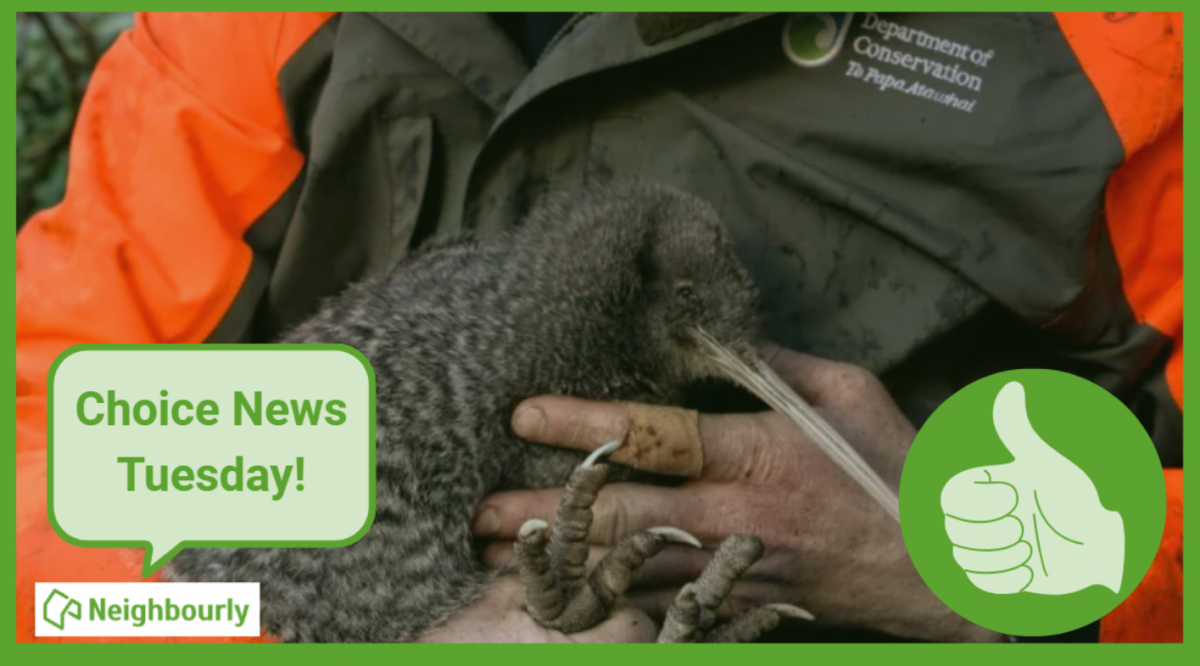
Some Choice News!
DOC is rolling out a new tool to help figure out what to tackle first when it comes to protecting our threatened species and the things putting them at risk.
Why does this matter? As Nikki Macdonald from The Post points out, we’re a country with around 4,400 threatened species. With limited time and funding, conservation has always meant making tough calls about what gets attention first.
For the first time, DOC has put real numbers around what it would take to do everything needed to properly safeguard our unique natural environment. The new BioInvest tool shows the scale of the challenge: 310,177 actions across 28,007 sites.
Now that we can see the full picture, it brings the big question into focus: how much do we, as Kiwis, truly value protecting nature — and what are we prepared to invest to make it happen?
We hope this brings a smile!
 Loading…