




“Like botox for the ground” – new technique builds resilience
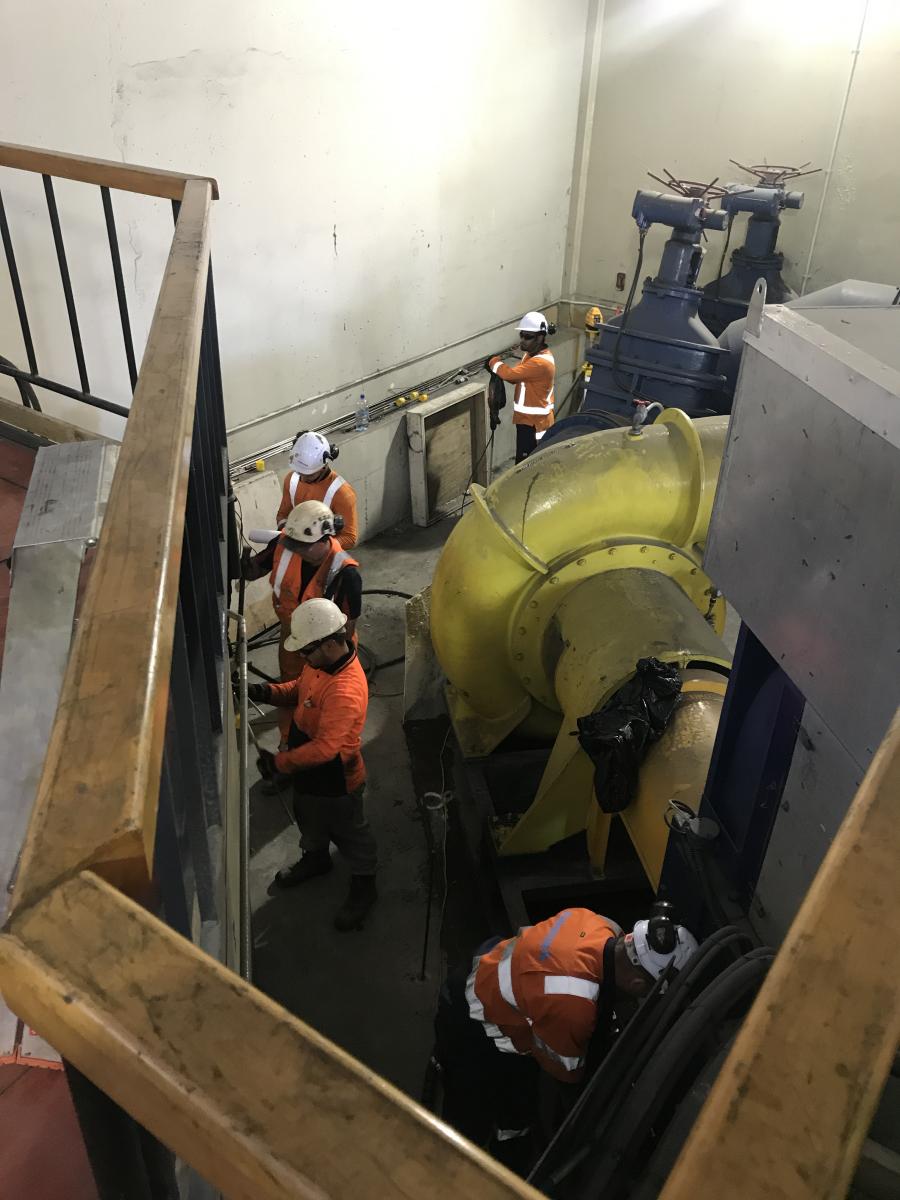
In early May, work began on ground improvement at the Seaview Wastewater Treatment Plant, where new resin injection technology is being used to strengthen the ground underneath key buildings, improving the resilience of the plant.
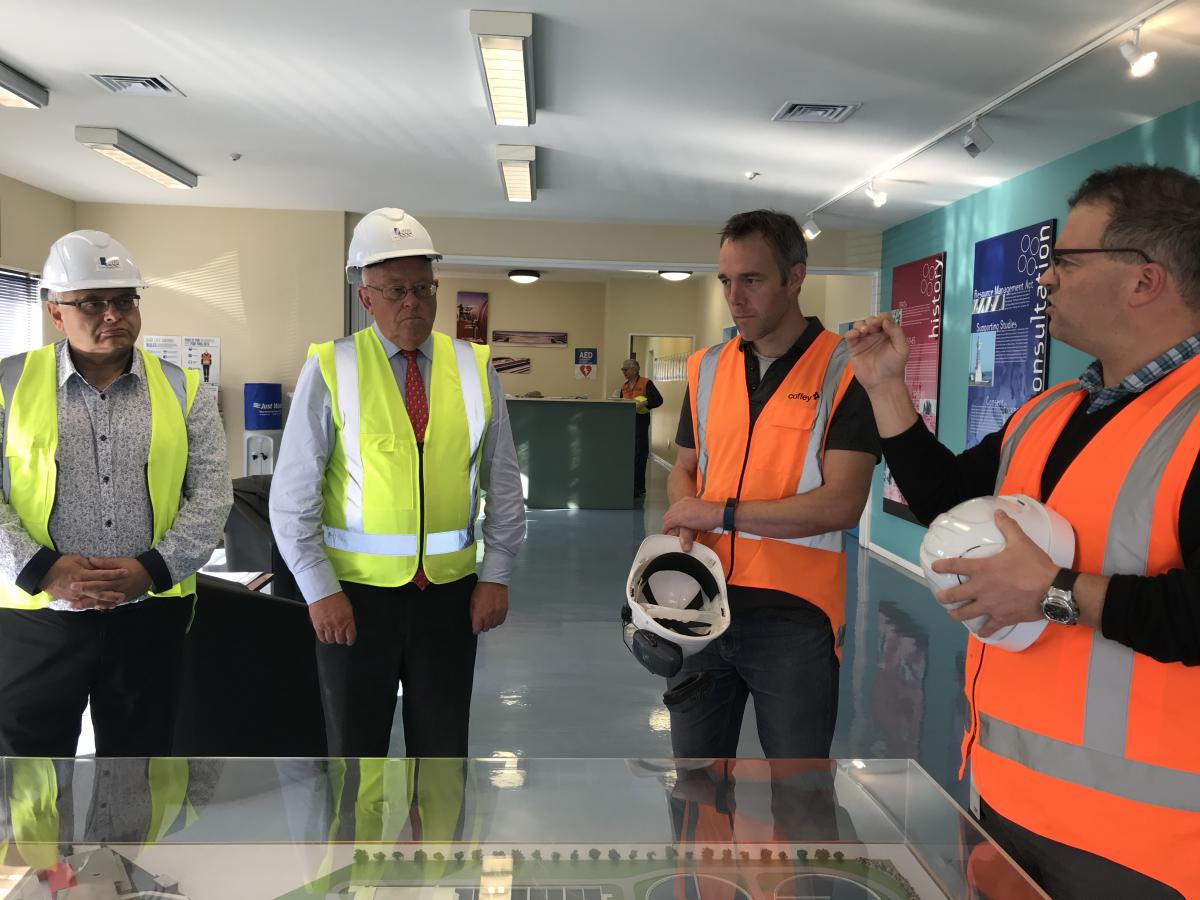
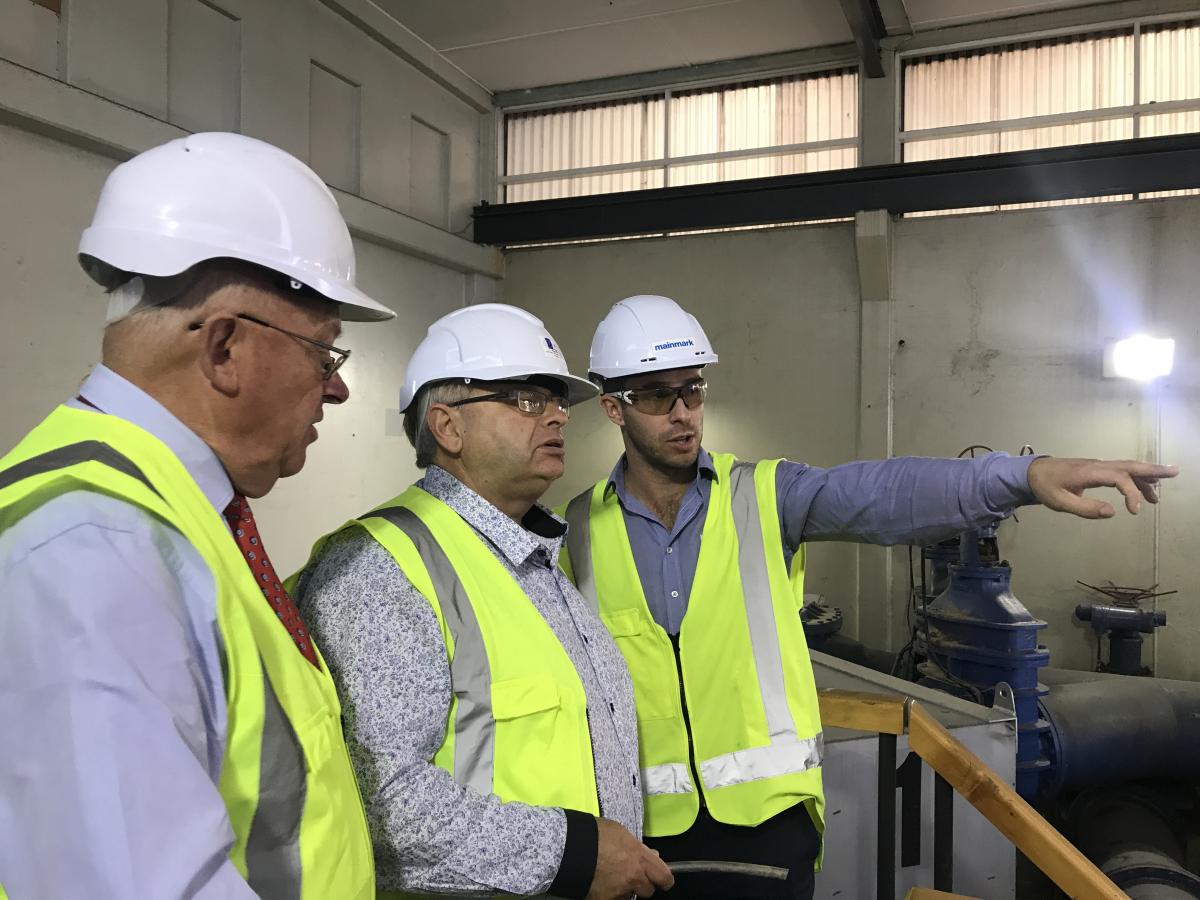
Hutt City Mayor Ray Wallace and Hutt City Deputy Mayor and Wellington Water Committee Chairman David Bassett recently visited the Seaview Wastewater Treatment Plant to check in on the progress of the ground improvement works currently under way.
“It’s incredibly important that key infrastructure such as the Seaview Wastewater Treatment Plant has the capability to operate as normal following a large quake,” said Mayor Wallace. “It’s brilliant to see that innovative techniques like this being used to make our communities more resilient, without interrupting day-to-day operations at the plant.”
Ground Engineering experts, Mainmark Ground Engineering, have developed this non-invasive ground improvement and liquefaction mitigation technique, Terefirm™ Resin Injection, which can be applied under existing structures. Wellington Water’s Seaview project team has likened the technique to “botox for the ground”.
Improving resilience isn’t just about being prepared for a large earthquake or disaster, it’s about repairing and recovering quickly. With the goal of having the plant continue to operate following a large earthquake, it’s important that we create strong foundations underneath existing structures, which will allow for reduced re-build efforts and a quicker return to full operation


Poll: If we want to reduce speeding, what do you think actually changes driver behaviour? 🛻🚨🚓
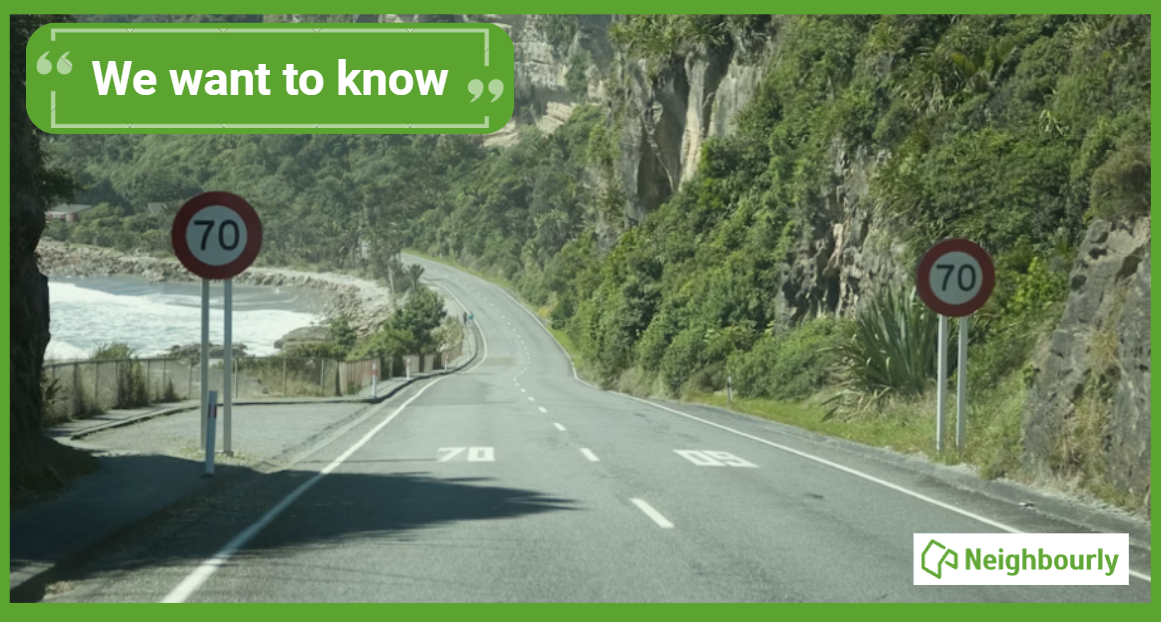
In the Post's article on speeding penalties, the question is asked whether speeding fines are truly about road safety, or are they just a way to boost revenue for the Crown?
What do you think? Should speeding motorists receive speeding fines or demerit points?
-
35.5% The sting of a fine (Money talks!)
-
64.5% The threat of demerit points (Nobody wants to lose their license!)

Some Choice News!
DOC is rolling out a new tool to help figure out what to tackle first when it comes to protecting our threatened species and the things putting them at risk.
Why does this matter? As Nikki Macdonald from The Post points out, we’re a country with around 4,400 threatened species. With limited time and funding, conservation has always meant making tough calls about what gets attention first.
For the first time, DOC has put real numbers around what it would take to do everything needed to properly safeguard our unique natural environment. The new BioInvest tool shows the scale of the challenge: 310,177 actions across 28,007 sites.
Now that we can see the full picture, it brings the big question into focus: how much do we, as Kiwis, truly value protecting nature — and what are we prepared to invest to make it happen?
We hope this brings a smile!

Poll: Are you still heading to your local for your caffeine fix, or has the $$ changed your habits? ☕
Wellington’s identity is built on its cafe culture, but with costs climbing, that culture is under pressure. We’ve seen the headlines about recent closures, and it’s a tough pill to swallow along with a $6+ coffee.
We all want our favourite spots to stay open, but we also have to balance our own budgets ⚖️
We want to know: How are you handling the "coffee math" in 2026? Are you still heading to your local for a chat and a caffeine fix, or has the cost of living changed your habits?
Keen to read more about "coffee math"? The Post has you covered.

-
46.7% I avoid spending money on coffee
-
43.4% I still indulge at my local cafe
-
9.9% Irrelevant - coffee is not for me
 Loading…