





Feathered Friday Friend
This weeks contribution is from Louise Thomas.
"When I was young I didn’t like the boatsheds. To my eye they looked derelict and unkempt – a hotchpotch of too bright clashing colours, and all of them peeling to reveal bleached wood underneath. They reminded me of my Nana’s crocheted rugs with frayed threads and darned patches. I liked things shining, new, and squared away. Anything else smacked of some sort of failure, either of duty or poverty.
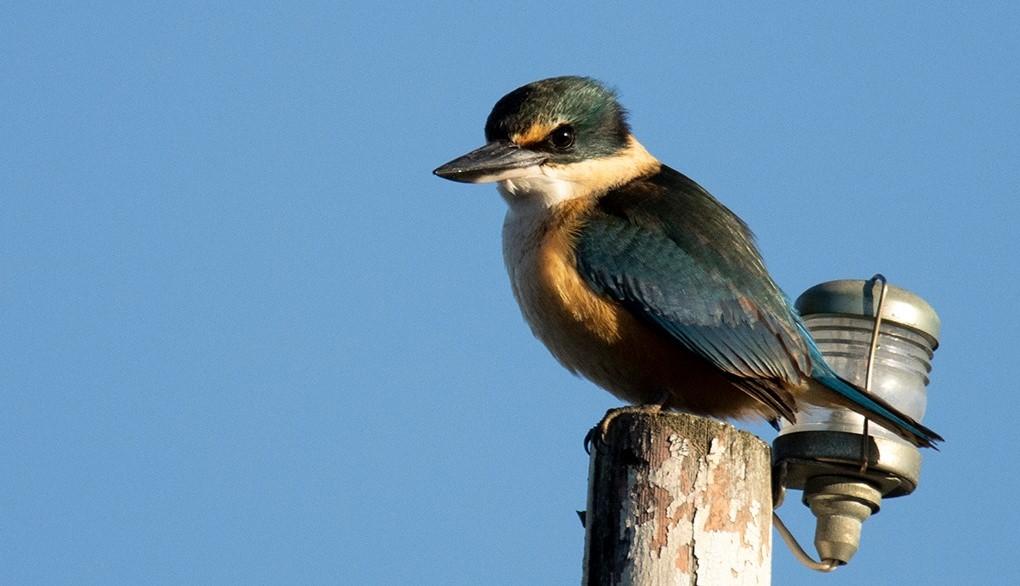
Now that I’m older, and not untouched by time myself, I realise that decay is inevitable, and, more importantly, there is texture and beauty in it. The sea, like life, can be a rough place. The winds carry salt and sand, storm surges leave marks and baggage piled around the high tide mark, sometimes spilling over onto the little docks. But in this flotsam, rotting seaweed, silt, and tangled tree branches are a million little bugs, fish, and crabs – a roiling primordial soup seasoned with iodine and salt and feasted on by the birds. Nothing is lost - just transformed. Sacred kingfisher/kōtare (Todiramphus sanctus) catching the light at the Hutt Estuary boatsheds, Hikoikoi Reserve, Lower Hutt."

Neighbourhood Challenge: Who Can Crack This One? ⛓️💥❔
What has a head but no brain?
Do you think you know the answer? Simply 'Like' this post if you know the answer and the big reveal will be posted in the comments at 2pm on the day!
Want to stop seeing these in your newsfeed?
Head here and hover on the Following button on the top right of the page (and it will show Unfollow) and then click it. If it is giving you the option to Follow, then you've successfully unfollowed the Riddles page.


Poll: Is it ok to regift something that you have been given?
🎁 Holiday Gift Chat!
Do you ever regift?
What’s your take on asking for a receipt if a gift doesn’t fit?
-
79.4% Yes! It's better to regift what I don't need
-
20.6% No. It's the thought and effort that matters

Some Choice News!
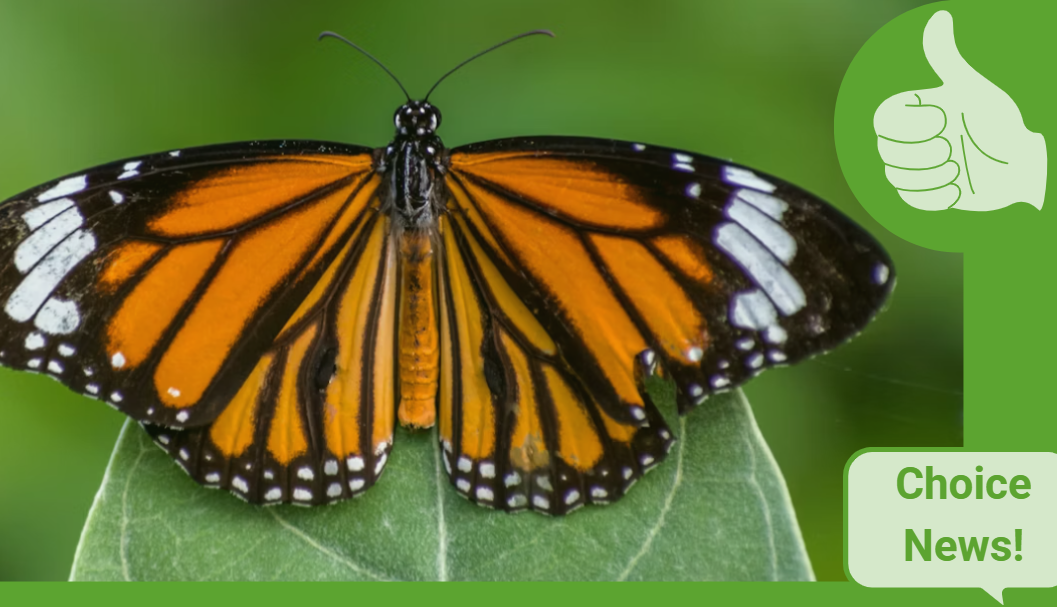
Many New Zealand gardens aren’t seeing as many monarch butterflies fluttering around their swan plants and flower beds these days — the hungry Asian paper wasp has been taking its toll.
Thanks to people like Alan Baldick, who’s made it his mission to protect the monarch, his neighbours still get to enjoy these beautiful butterflies in their own backyards.
Thinking about planting something to invite more butterflies, bees, and birds into your garden?
Thanks for your mahi, Alan! We hope this brings a smile!
 Loading…