





Fraud Awareness Week
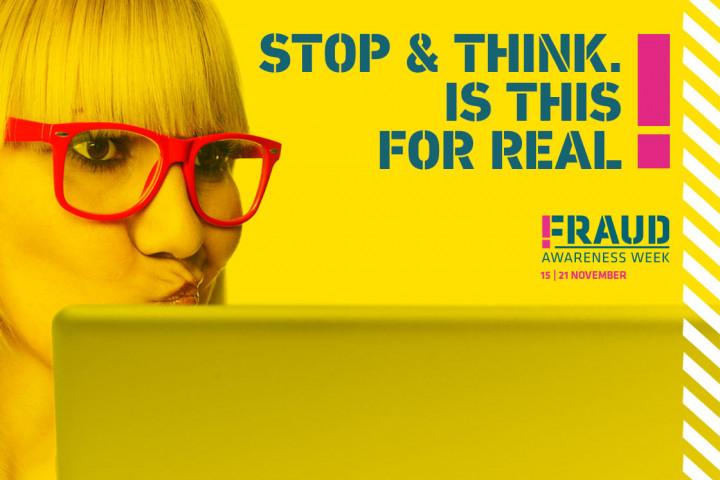
This Fraud Awareness Week we are encouraging Kiwis to take a moment to stop and think ‘is this for real?’ when contacted unexpectedly and asked for personal info.
New Zealand Police's Financial Intelligence Unit estimates New Zealanders lose $20-30 million annually to scams.
HOW TO AVOID A SCAM:
+ A genuine bank or organisation will never contact you to ask for your PIN, password or to move money to another account.
+ Never click on a link in an unexpected email or text – you could be giving access to your personal and financial details.
+ Always question uninvited approaches in case it is a scam. Instead, contact the company directly using a known email or phone number.
+ Don’t assume an email or phone call is authentic – just because someone knows your basic details (name and address, or mother’s maiden name) it doesn’t mean they are genuine.
+ Don’t be rushed into making a decision or financial transaction on the spot – a genuine bank or trusted organisation would never do this.
+ Listen to your instincts – if something feels wrong then it generally is.
If you believe you are the victim of a scam you can contact Police and report the matter via 105.
For more info on how you can prevent yourself, family and friends from being scammed, visit:

Poll: Are you still heading to your local for your caffeine fix, or has the $$ changed your habits? ☕
Wellington’s identity is built on its cafe culture, but with costs climbing, that culture is under pressure. We’ve seen the headlines about recent closures, and it’s a tough pill to swallow along with a $6+ coffee.
We all want our favourite spots to stay open, but we also have to balance our own budgets ⚖️
We want to know: How are you handling the "coffee math" in 2026? Are you still heading to your local for a chat and a caffeine fix, or has the cost of living changed your habits?
Keen to read more about "coffee math"? The Post has you covered.

-
45.6% I avoid spending money on coffee
-
41.9% I still indulge at my local cafe
-
12.5% Irrelevant - coffee is not for me

🌉🛶 Early Birds Might Crack This One First… or Not? 🥚🧠
A person is crossing a bridge and sees a boat full of people, yet there isn't a single person on board.
How is this possible?
(Susan from Massey kindly provided this head-scratcher ... thanks, Susan!)
Do you think you know the answer? Simply 'Like' this post if you know the answer and the big reveal will be posted in the comments at 2pm on the day!
Want to stop seeing these in your newsfeed?
Head here and hover on the Following button on the top right of the page (and it will show Unfollow) and then click it. If it is giving you the option to Follow, then you've successfully unfollowed the Riddles page.
🪱🐦 When are you the most productive? 🌙🦉
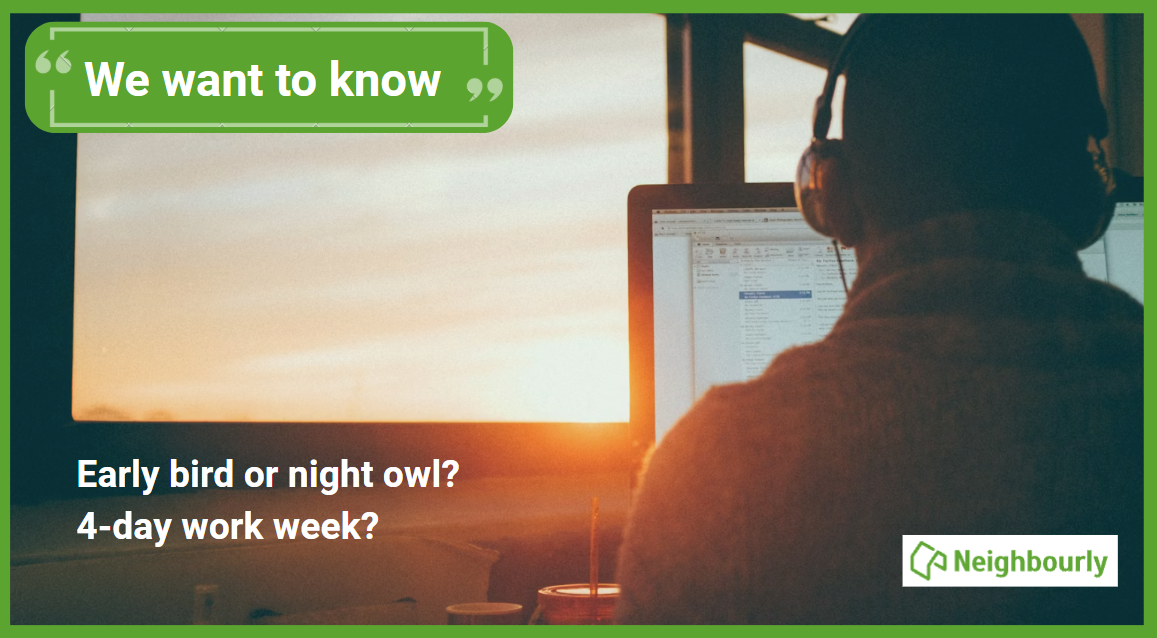
The Post has been diving into our daily habits, and research suggests being an early bird or a night owl isn’t just a choice—it’s biology! We all have that specific time when our brains finally "click" into gear.
This raises a big question for the modern workplace. To get the best out of everyone, should employers accommodate our natural body clocks? This idea is at the heart of the four-day work week and flexible scheduling movements.
We want to hear from you:
1. When does your brain "click" into gear?
2. Would a flexible (or shortened) schedule change the way you work?
 Loading…