





Keeping water flowing when an earthquake stops the taps
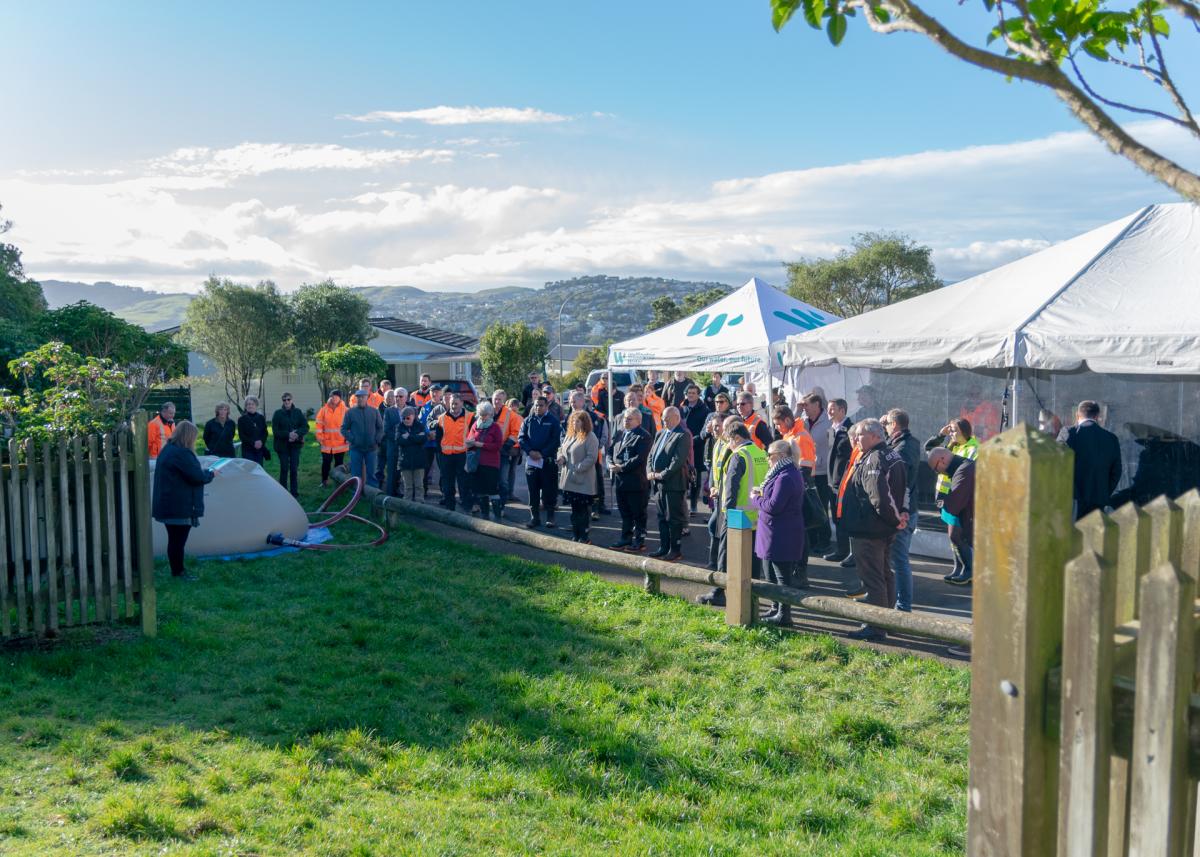
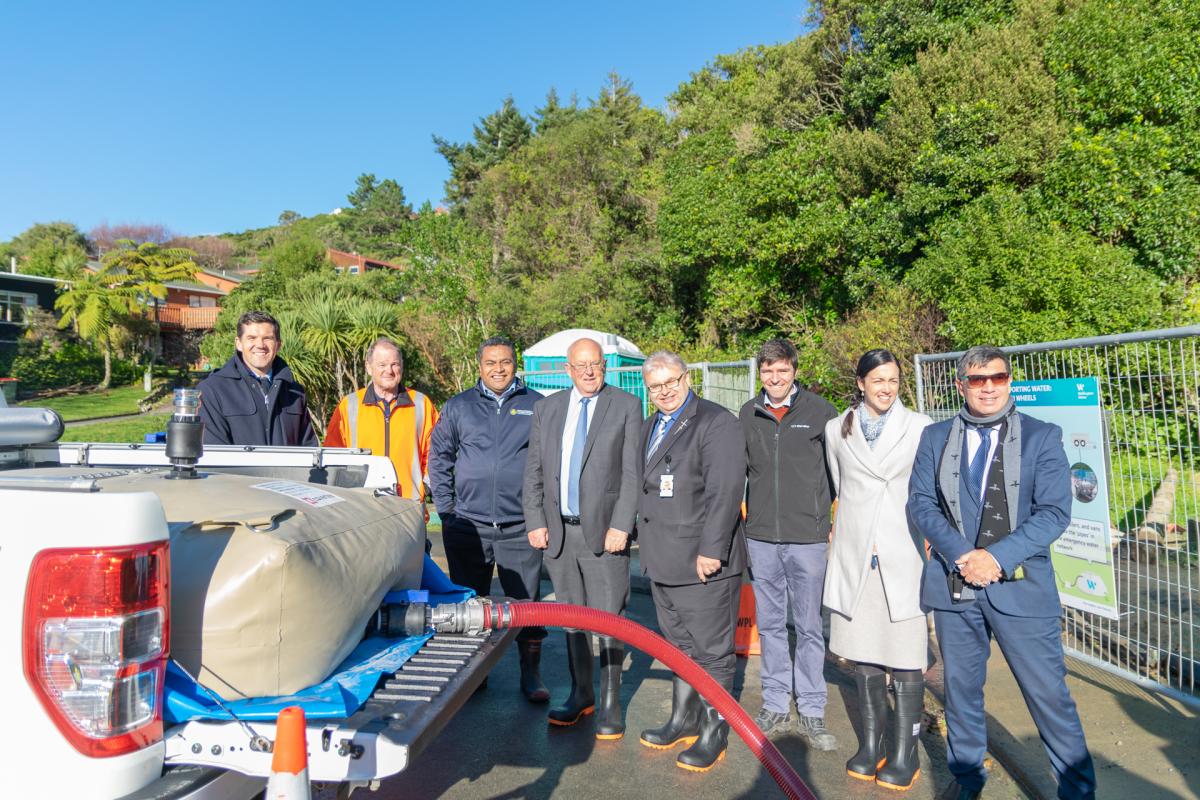
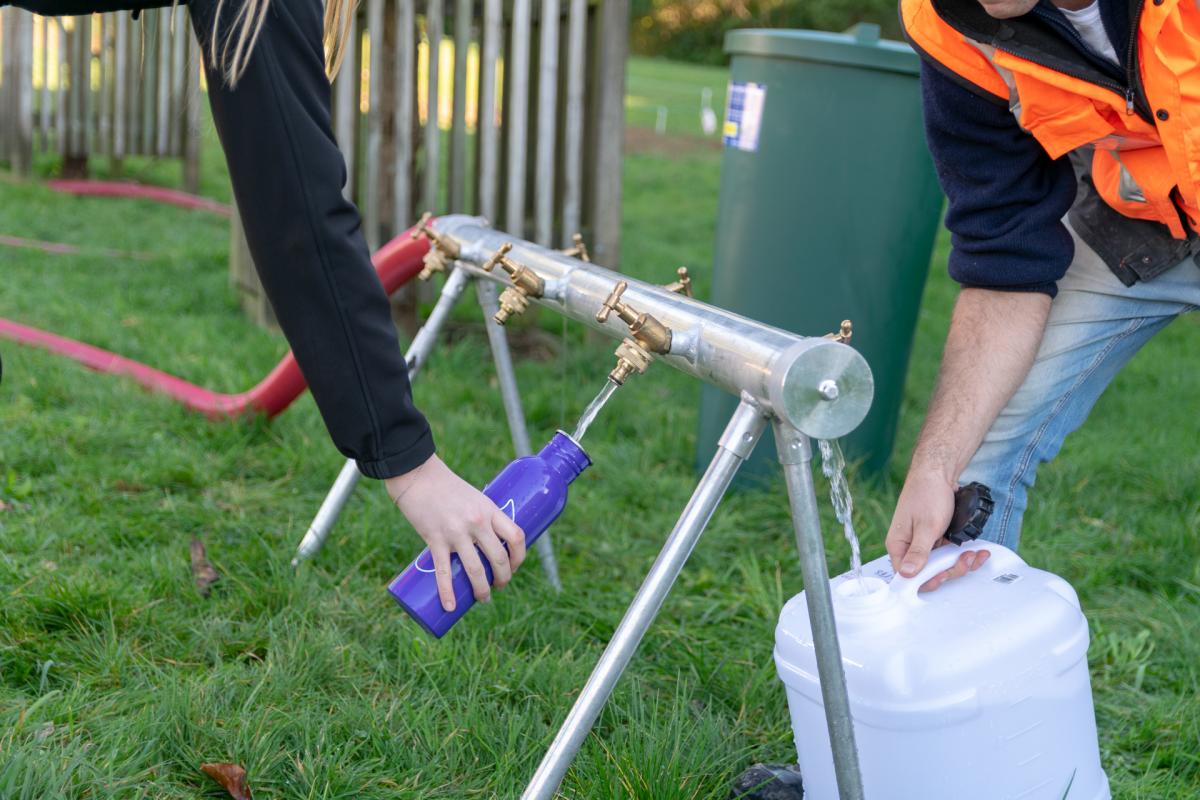
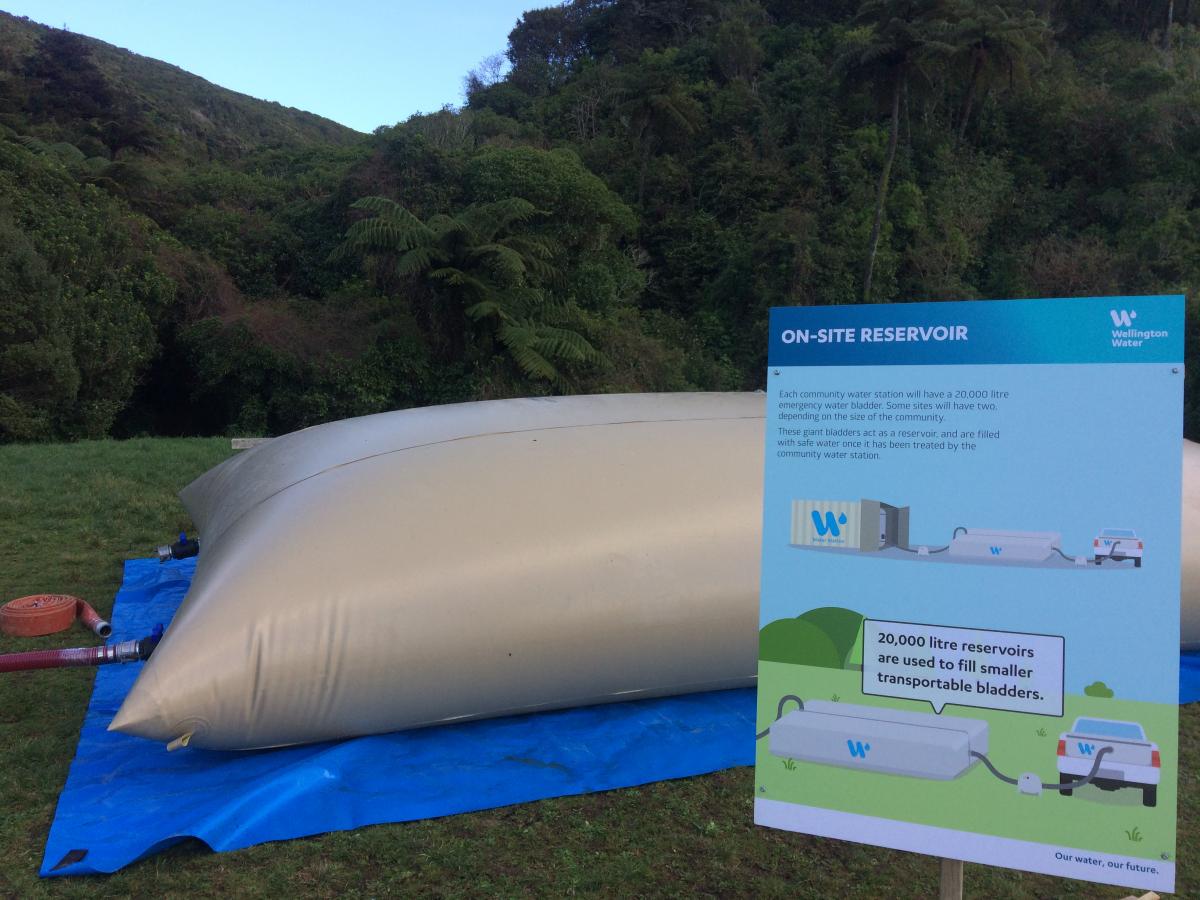
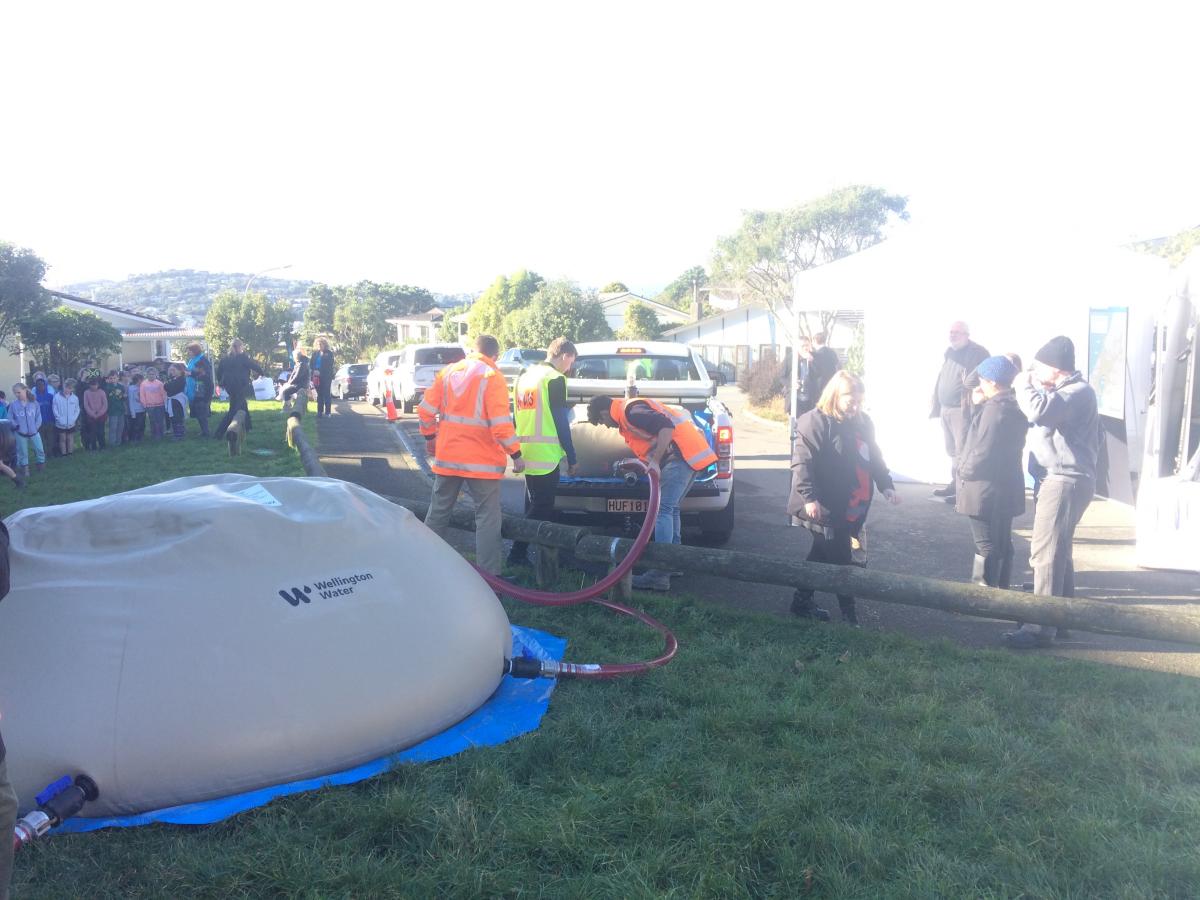
Today we hosted a special event at Truscott park in Johnsonville to open the first of 22 community water stations, which form the foundation of our above ground emergency water supply network.
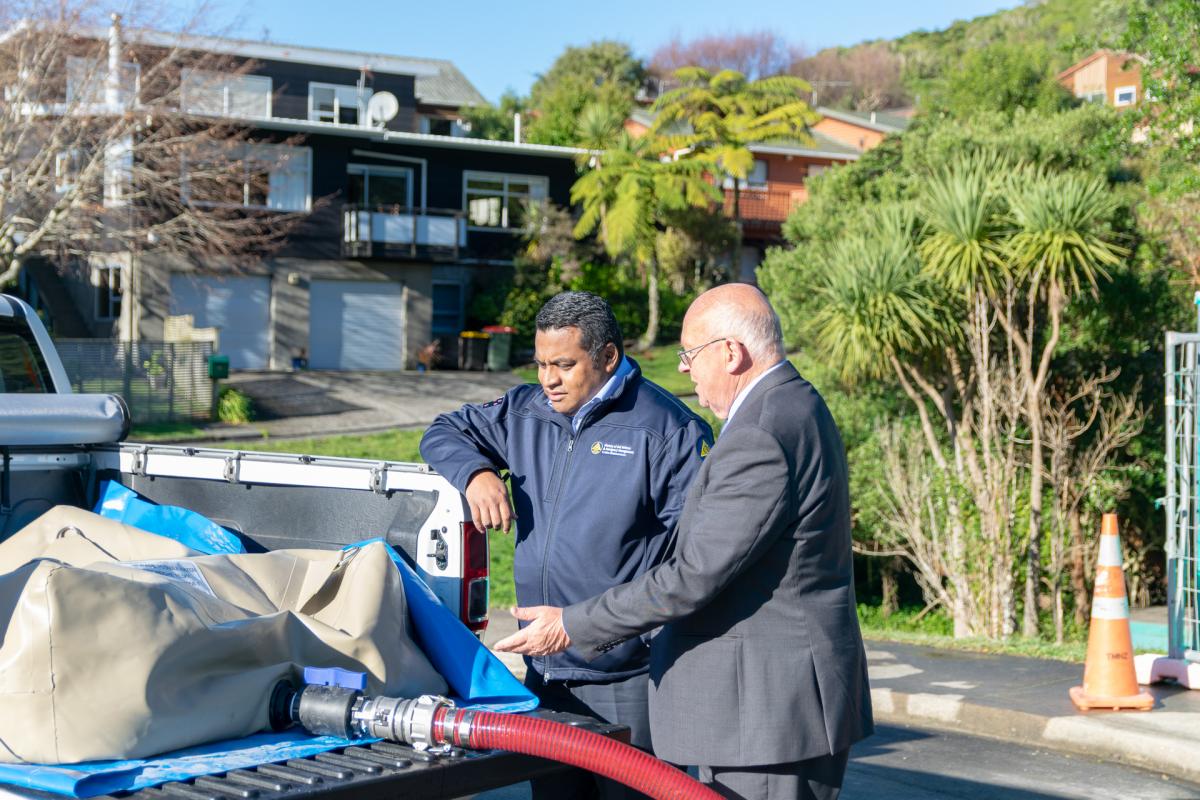
The Minister of Civil Defence, Hon Kris Faafoi, mayors and representatives from the four councils, (Wellington City Council, Hutt City Council, Upper Hutt City Council, Porirua City Council) were in attendance to help open the first of the community water stations, and learn more about how they'll operate.
Wellington's drinking water supply network is vulnerable. Underground pipes and reservoirs could be badly damaged in a significant earthquake and as a result some suburbs could be without drinking water for more than 100 days.
Over the past 12 months we have been working with central and local government to develop an above ground emergency water network that will supply the more than 400,000 people across Wellington from day eight following a disaster.
It’s important to remember that following a major earthquake, the first thing people rely on is themselves and their families, so storing water is a must for every household.
You should have 20 litres of stored water for every person, every day, for at least seven days. That’s 560 litres for a four-person household. You may need to store more if you have unwell people, or small children in your home.
200 litre tanks (which are easy to install) can be purchased from your local council for $105.
For more information check out wellingtonwater.co.nz...



🪱🐦 When are you the most productive? 🌙🦉
The Post has been diving into our daily habits, and research suggests being an early bird or a night owl isn’t just a choice—it’s biology! We all have that specific time when our brains finally "click" into gear.
This raises a big question for the modern workplace. To get the best out of everyone, should employers accommodate our natural body clocks? This idea is at the heart of the four-day work week and flexible scheduling movements.
We want to hear from you:
1. When does your brain "click" into gear?
2. Would a flexible (or shortened) schedule change the way you work?
Got more greens than you know what to do with? 🥦🌱🥕
Whether it’s a courgette takeover or a feijoa frenzy, don’t let those garden gems go to waste!
Our suggestion to you: Did you know you can grate and freeze excess courgettes to use in chocolate cake later? It sounds a bit dodgy, but it makes the cake incredibly moist ... and hey, it counts as a serving of veg, right? 🍫
What’s your go-to move for a bumper harvest? Drop your best "glut" recipes or preservation hacks in the comments below! 👇

Poll: Are you still heading to your local for your caffeine fix, or has the $$ changed your habits? ☕
Wellington’s identity is built on its cafe culture, but with costs climbing, that culture is under pressure. We’ve seen the headlines about recent closures, and it’s a tough pill to swallow along with a $6+ coffee.
We all want our favourite spots to stay open, but we also have to balance our own budgets ⚖️
We want to know: How are you handling the "coffee math" in 2026? Are you still heading to your local for a chat and a caffeine fix, or has the cost of living changed your habits?
Keen to read more about "coffee math"? The Post has you covered.

-
45.7% I avoid spending money on coffee
-
41% I still indulge at my local cafe
-
13.3% Irrelevant - coffee is not for me
 Loading…