





How Often Should You Clean Your Curtains?
The frequency of cleaning curtains largely depends on a few factors such as the material of the curtains, their location, and the level of dust and pollutants in the air. As a general rule, it is recommended to clean your curtains every 6-12 months. Here are some reasons why:
1. Dust and allergens: Curtains can collect dust, dirt, and allergens over time. If you or anyone in your household suffers from allergies or asthma, it is especially important to clean your curtains regularly to prevent the accumulation of allergens that can trigger symptoms.
2. Stains and spills: Curtains can also become stained or soiled from spills, pet hair, or everyday use. Regular cleaning can help remove these stains and keep your curtains looking fresh and new.
3. Sun damage: Curtains can also become damaged over time from exposure to sunlight. Regular cleaning can help prevent sun damage and prolong the life of your curtains.
4. Odours: Curtains can also absorb odours from cooking, smoking, or pets. Regular cleaning can help eliminate these odours and keep your home smelling fresh.
However, curtains located in high-traffic areas, such as the living room or kitchen, may require more frequent cleaning, perhaps every three to six months. Curtains made of heavy fabrics, such as velvet or chenille, may also collect more dust and require more frequent cleaning.
In addition to regular cleaning, it is also recommended to vacuum your curtains regularly to remove dust and other particles. This can help to reduce the frequency of deep cleaning and extend the life of your curtains.
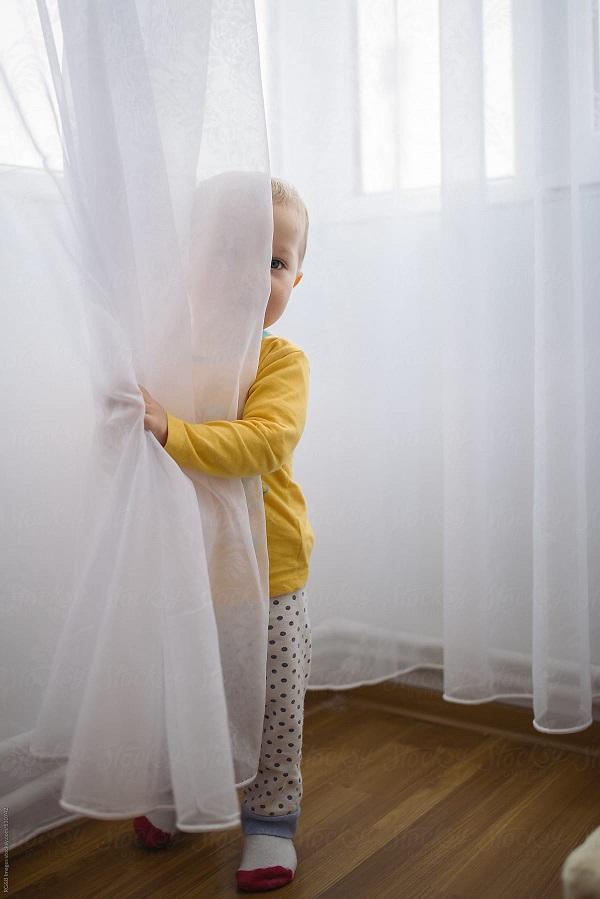

🧩😏 Riddle me this, Neighbours…
I am an odd number. Take away a letter and I become even. What number am I?
Do you think you know the answer?
Want to stop seeing these in your newsfeed? No worries! Simply head here and click once on the Following button.


Poll: Are you still heading to your local for your caffeine fix, or has the $$ changed your habits? ☕
Wellington’s identity is built on its cafe culture, but with costs climbing, that culture is under pressure. We’ve seen the headlines about recent closures, and it’s a tough pill to swallow along with a $6+ coffee.
We all want our favourite spots to stay open, but we also have to balance our own budgets ⚖️
We want to know: How are you handling the "coffee math" in 2026? Are you still heading to your local for a chat and a caffeine fix, or has the cost of living changed your habits?
Keen to read more about "coffee math"? The Post has you covered.

-
43.3% I avoid spending money on coffee
-
46.9% I still indulge at my local cafe
-
9.8% Irrelevant - coffee is not for me
Scam Alert: Bank cold calls
ASB is warning customers about reports of cold calls from scammers claiming to be from ASB. These scammers are trying to obtain personal information, including usernames, dates of birth, and verification codes sent to your mobile phone.
🛡️ The "Caller Check" Test
If you get a call from someone claiming to be from ASB and you’re unsure, just ask them for a Caller Check. You will then be able to verify the call through the app.
Remember, banks will:
❌ Never ask for your banking passwords, PINs, or verification codes
❌ Never need to know your full credit card number – especially the CVC
❌ Never ask you to download software or remotely access your device
❌ Never ask you to purchase gift cards or transfer funds.
If you have received a phone call and think your account has been compromised, call ASB on 0800 ASB FRAUD (0800 272 372), or visit your local branch.
 Loading…