





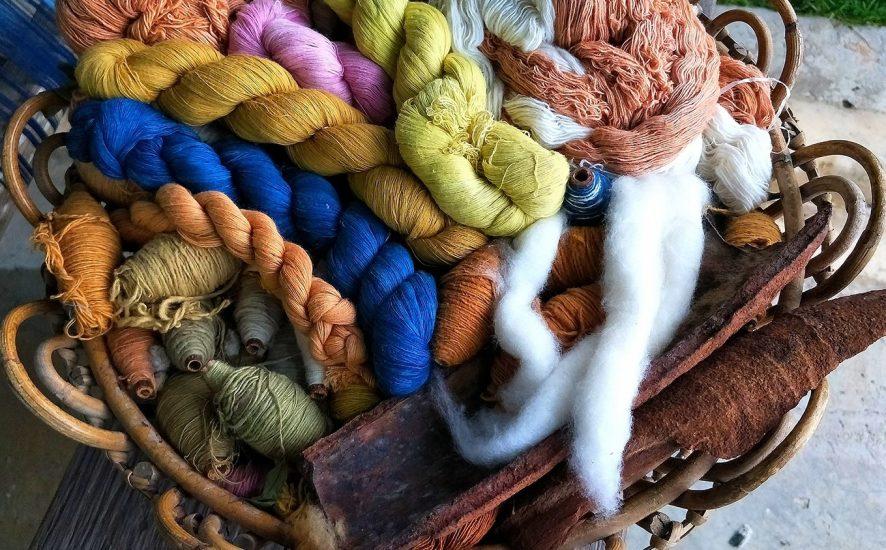
What is Yarn: What It’s Made From, How You Make It and More
When researching or reading about different fabrics, you are likely to see the word yarn mentioned a lot. ‘Made from spun yarns’ or ‘with synthetic yarns’ are a couple of examples. But what is yarn? What is spun yarn? Are there other types? What does it all mean, and how much relevance does this bear to your final fabric? That’s what we are here to look at in a little more detail.
What is Yarn?
Yarn is a length of fibres. That’s the simplest way to explain it. It is a continuous length of fibres which are interlocked, and it’s used to produce fabrics, as well as in crocheting, knitting, embroidery and ropemaking.
This means that we can split yarn into two different ‘categories’ of sorts. The thread that is used for embroidery or in sewing machines, as well as yarn (commonly known as balls-of-wool) used in crafts such as knitting or crocheting, are long lengths that are bought as yarns.
The alternative would be a yarn which is then knitted or woven into a fabric. The textile is then bought as fabric, in lengths, rather than the yarn itself being purchased separately. This second description is the one that we will explore further in this post.
What is Yarn Made From?
Yarn can be made from such a variety of different fibres. This includes both natural and synthetic fibres. The most common plant fibre is cotton, however, you can also use other natural fibres such as bamboo. Alongside cotton, the synthetic polyester fibre makes up the two most commonly used fibres. Animal fibres are also often used, such as wool, harvested from sheep, as well as cashmere (harvested from goats) Angora (from rabbits) and silk (from insect larvae).
What is the Difference Between Spun and Filament Yarn?
Spun yarn is made by twisting staple fibres together in either an S or Z twist, to make a single thread. The process of twisting the fibres together into yarn is called spinning and it was one of the first processed to be industrialised. Spun yarns can contain a single type of fibre, or you can spin various types of fibre together to give you a blend.
Filament yarn is made up of filament fibres which are either twisted together or simply grouped together. It can either be composed of one filament, which is called a monofilament, or it could be made of more than one, in which case it would be known as a multifilament. This can be as few as two or three filament fibres, or even up to 50, or more.
Keep reading: www.curtainclean.co.nz...

Poll: If we want to reduce speeding, what do you think actually changes driver behaviour? 🛻🚨🚓
In the Post's article on speeding penalties, the question is asked whether speeding fines are truly about road safety, or are they just a way to boost revenue for the Crown?
What do you think? Should speeding motorists receive speeding fines or demerit points?

-
0% The sting of a fine (Money talks!)
-
0% The threat of demerit points (Nobody wants to lose their license!)

Addictive Eaters Anonymous
How much does it cost to join AEA?
There are no dues or fees for joining AEA or attending AEA meetings. We are self-supporting through our own voluntary contributions. At some point during each meeting we pass the basket to help cover expenses, such as the cost of rent and literature. Members are not obliged to contribute, but we usually do so to the extent we are able.

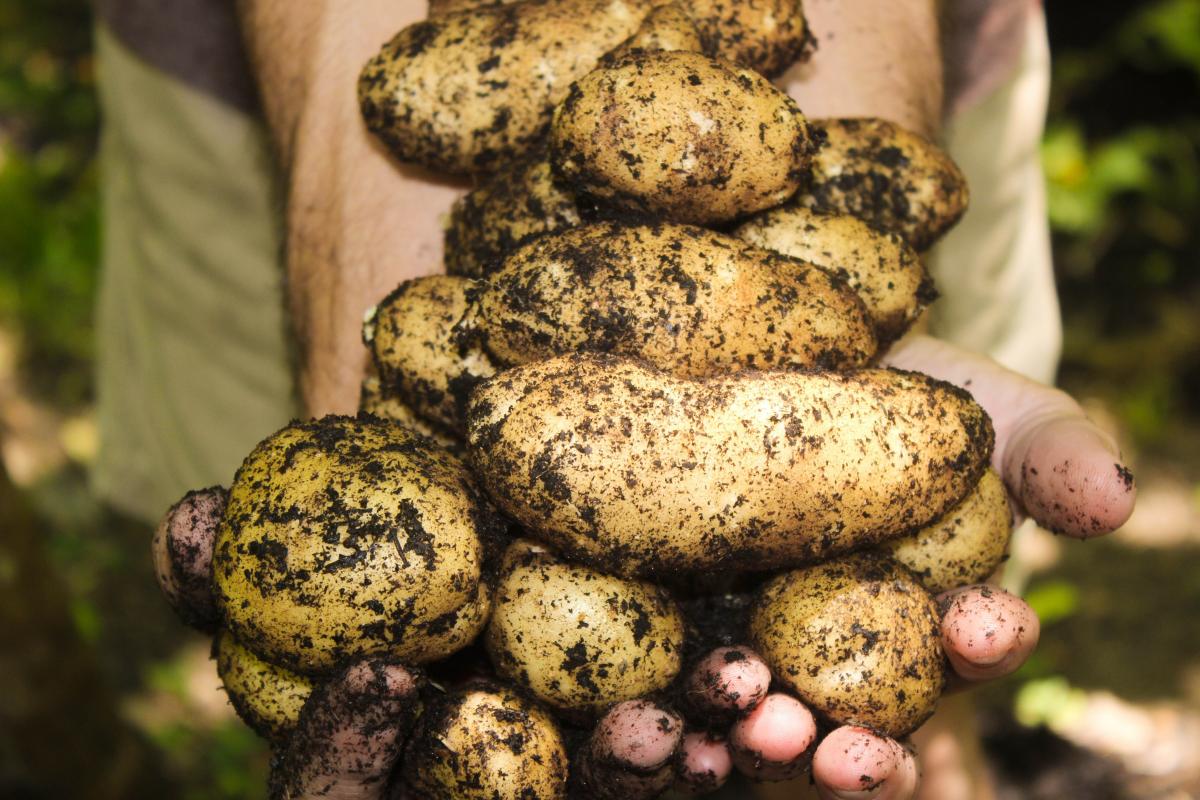
Share your favourite main crop potato recipe and win a copy of our mag!
Love potatoes? We will give away free copies of the May 2026 issue to readers whose potato recipes are used in our magazine. To be in the running, make sure you email your family's favourite way to enjoy potatoes: mailbox@nzgardener.co.nz, by March 1, 2026.
 Loading…