




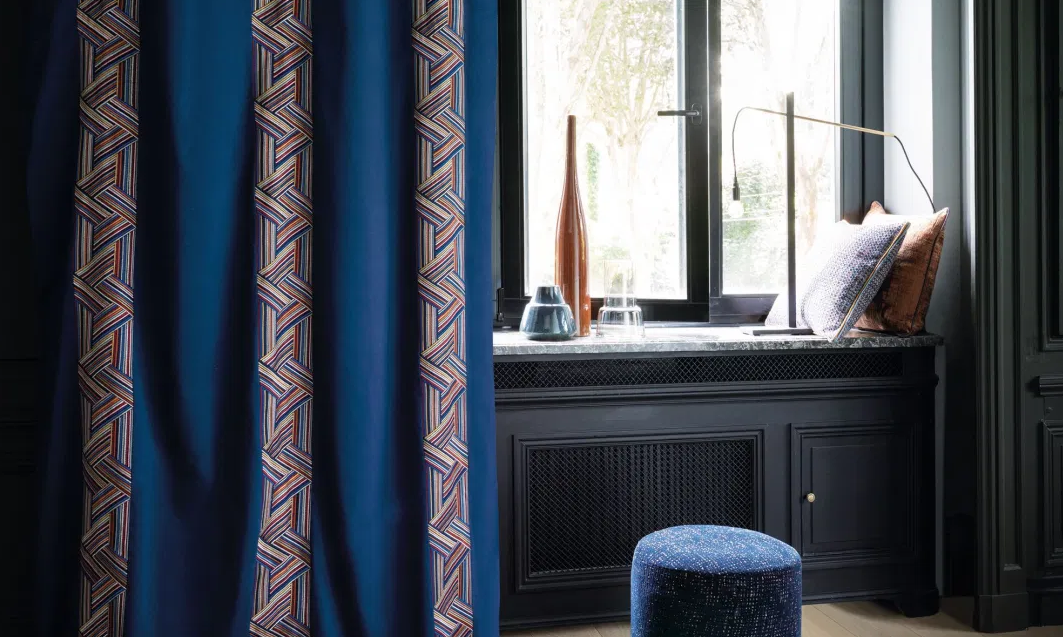
Unravelling textile testing - Colourfastness
Unravelling textile testing - Colourfastness
Colourfastness is one of four key topics (others include Abrasion Resistance, Pilling, Seam Slippage) that we are covering to provide some background as to how we test and why.
Test results provide us with critical information about textile’s durability and suitability for certain applications. We externally test all James Dunlop and Mokum textiles in Melbourne at a highly reputable laboratory who are amongst the most conservative and stringent in the world, due to the extremely harsh environmental conditions we face here in Australia and New Zealand.
We have gathered a number of frequently asked questions relating to colourfastness so we asked our Mokum studio designers Stephanie Moffitt and Annie Moir to share their expert knowledge.
One of the most important textile tests is that of colourfastness.
Simply put, a colourfastness test measures how well a textile will resist or withstand fading. Fading typically means a change in colour which may be a change in hue, depth or brightness of colour. We perform a range of different colourfastness tests when developing a new textile, we test its resistance to fading against UV light, as well as washing / dry cleaning and also rubbing.
Can you briefly outline the colourfastness to washing/ laundering test?
Colourfastness to washing and/or dry cleaning measures a fabrics ability to withstand fading or colour loss from laundering. The test replicates specific cleaning methods then measures any colour loss against a set of five grey scales, creating a result (1 being least colourfast and 5 being most colourfast). In this instance, a result of 4-5 is the result we strive for.
One question pops up a lot, if a product is machine washable can it be spot cleaned?
We would always approach spot cleaning with water or a cleaning product with caution. Most of our washable textiles are rating as delicate or gentle washing which means a delicate setting and we would prefer a delicate washing liquid. Whereas spot clean tends to be more localised and more aggressive. If spot clean is needed always first try a dry white clean cloth, to reduce any colour loss as this often can remove a stain.
Can you briefly outline the colourfastness to rubbing test?
Colourfastness to rubbing, or commonly known as ‘crocking’ measures fabric resistance to colour loss when subjected to rubbing or friction from another fabric. This is particularly relevant for upholstery textiles – you can imagine wearing white pants and sitting on a dark coloured sofa, you’d want to be confident that when you stand up your pants haven’t changed colour.
With this test, a white cloth is used as a standard abradant, and rubbed against the test fabric in both in both dry and wet conditions, with wet being more severe. Any colour transfer onto the white cloth, and colour loss from the test fabric is analysed and measured against a set of 5 grey scales (1 being least colourfast and 5 being most colourfast). The result we receive from the lab helps us to determine the recommended usage for the upholstery fabric.

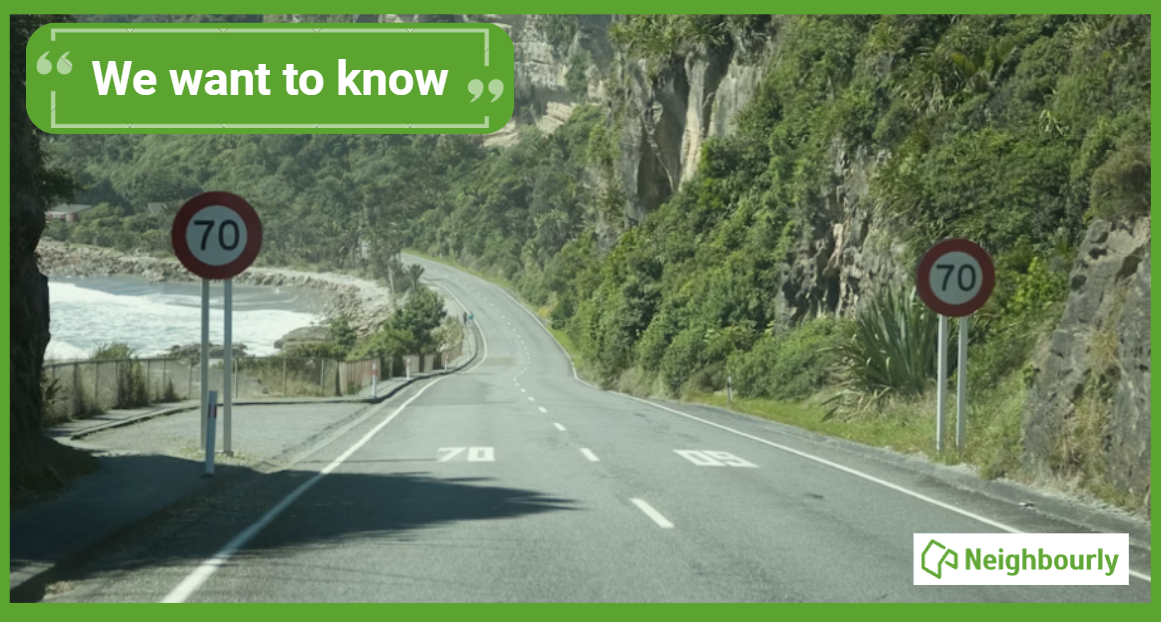
Poll: If we want to reduce speeding, what do you think actually changes driver behaviour? 🛻🚨🚓
In the Post's article on speeding penalties, the question is asked whether speeding fines are truly about road safety, or are they just a way to boost revenue for the Crown?
What do you think? Should speeding motorists receive speeding fines or demerit points?
-
36.3% The sting of a fine (Money talks!)
-
63.7% The threat of demerit points (Nobody wants to lose their license!)

Friends of Karori Cemetery: Upcoming Tours
We have just released
our forward tour schedule through to June, and it's a doozy!
3rd May - Tales From the Vaults
3rd May - Murder & Mayhem
7th June - Accidentally Killed
7th June - First Burials
Tickets are $10 per person. Children under 12 are free. For tour times, more details, and to book your tickets, please visit our ticketing website:
events.humanitix.com...
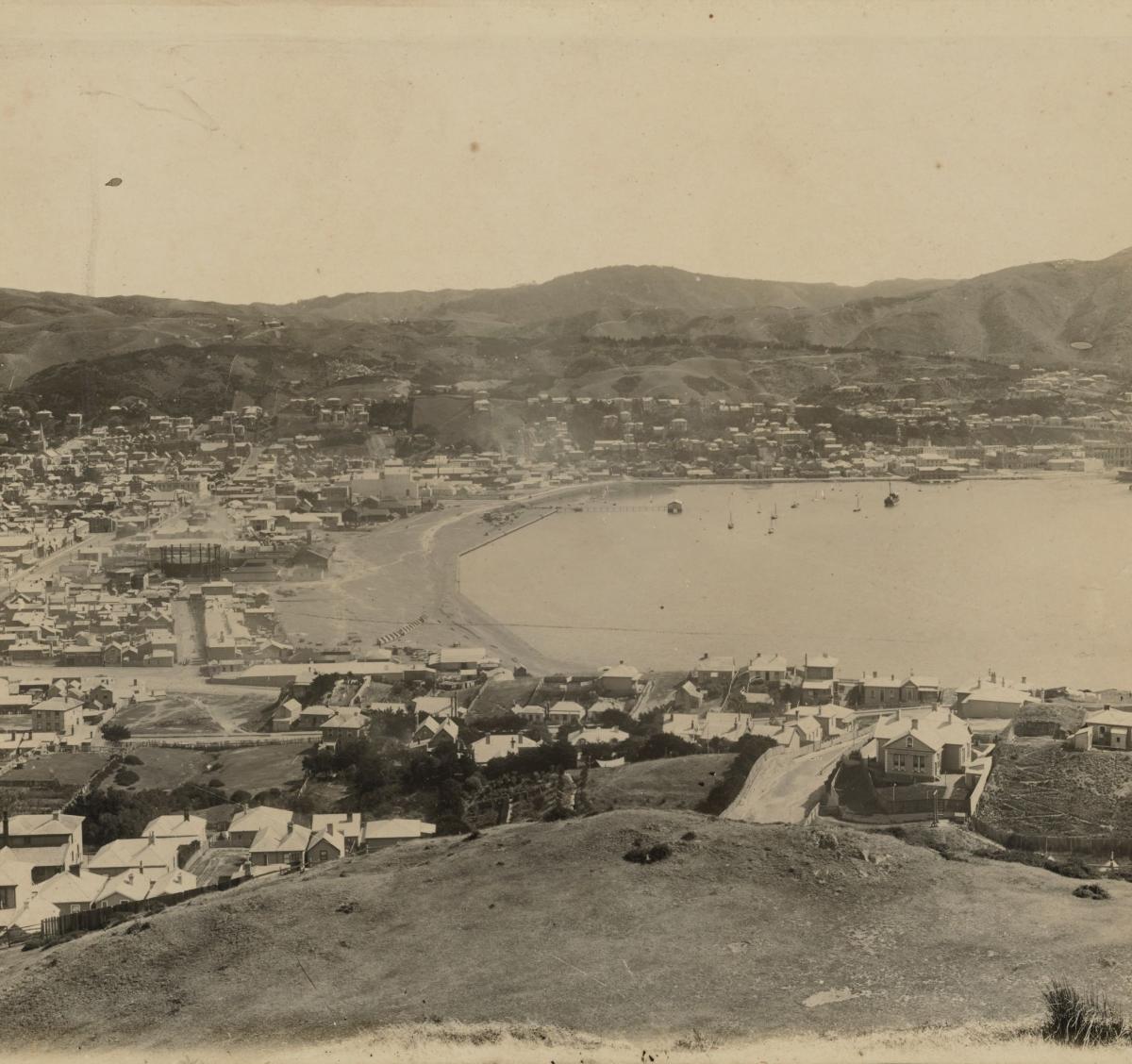
Image:
Wellington, 1886, Wellington, maker unknown. Gift of Mr. Whitehead, 1956. Te Papa (O.005958/02)
Scam Alert: Bank cold calls
ASB is warning customers about reports of cold calls from scammers claiming to be from ASB. These scammers are trying to obtain personal information, including usernames, dates of birth, and verification codes sent to your mobile phone.
🛡️ The "Caller Check" Test
If you get a call from someone claiming to be from ASB and you’re unsure, just ask them for a Caller Check. You will then be able to verify the call through the app.
Remember, banks will:
❌ Never ask for your banking passwords, PINs, or verification codes
❌ Never need to know your full credit card number – especially the CVC
❌ Never ask you to download software or remotely access your device
❌ Never ask you to purchase gift cards or transfer funds.
If you have received a phone call and think your account has been compromised, call ASB on 0800 ASB FRAUD (0800 272 372), or visit your local branch.
 Loading…