




surviving lockup
Today’s news had some prisoners in a New Zealand jail complaining that they’d been locked in their two-person cells for up to 23 hours a day. I fully empathise with them. As one of the community’s vulnerable I’ve been locked in my one-person cell for 24 hours a day for six weeks now.
For the vulnerable moving from Level 4 to Level 3 has made no difference, we’re still in lock down. The Government’s
Former Science Adviser, Professor Peter Gluckman, says effect of this virtual imprisonment is resulting in mental distress and the fear of suicides. If you’re in lockdown with your wife or partner at least you have some human contact, but if alone it’s hell.
The one saving grace is video contacts; the local church has just started virtual services using Zoom software. They had 25 on screen on Sunday. Yesterday I attended a University of the 3rd Age lecture and we had over four hundred faces to watch.
This seems to portend the future where our main contact will be via screen.
If you’ve visited Disneyland you will have experienced rides where a combination of sound vision and small movements in your seat can give the illusion that you are really are flying.
If we could extend audiovisual of virtual meetings to include feelies we might be able to hold virtual hands and even have virtual kisses. I'll stop there before I get carried away.

Some Choice News!
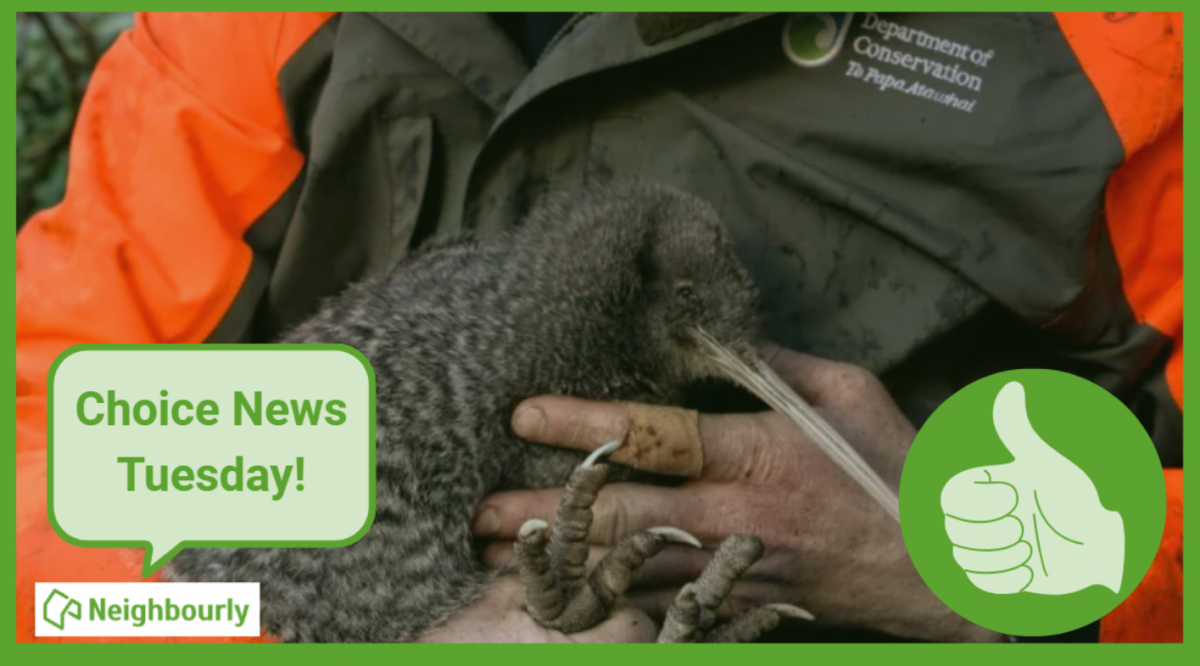
DOC is rolling out a new tool to help figure out what to tackle first when it comes to protecting our threatened species and the things putting them at risk.
Why does this matter? As Nikki Macdonald from The Post points out, we’re a country with around 4,400 threatened species. With limited time and funding, conservation has always meant making tough calls about what gets attention first.
For the first time, DOC has put real numbers around what it would take to do everything needed to properly safeguard our unique natural environment. The new BioInvest tool shows the scale of the challenge: 310,177 actions across 28,007 sites.
Now that we can see the full picture, it brings the big question into focus: how much do we, as Kiwis, truly value protecting nature — and what are we prepared to invest to make it happen?
We hope this brings a smile!

🎉 Riddle me this, legends! 🎉
He/She who makes it, sells it.
He/She who buys it, doesn't use it.
The user doesn't know they are using it.
What is it?
(Shezz from Ngāruawāhia kindly provided this head-scratcher ... thanks, Shezz!)
Do you think you know the answer? Simply 'Like' this post if you know the answer and the big reveal will be posted in the comments at 2pm on the day!
Want to stop seeing these in your newsfeed?
Head here and hover on the Following button on the top right of the page (and it will show Unfollow) and then click it. If it is giving you the option to Follow, then you've successfully unfollowed the Riddles page.

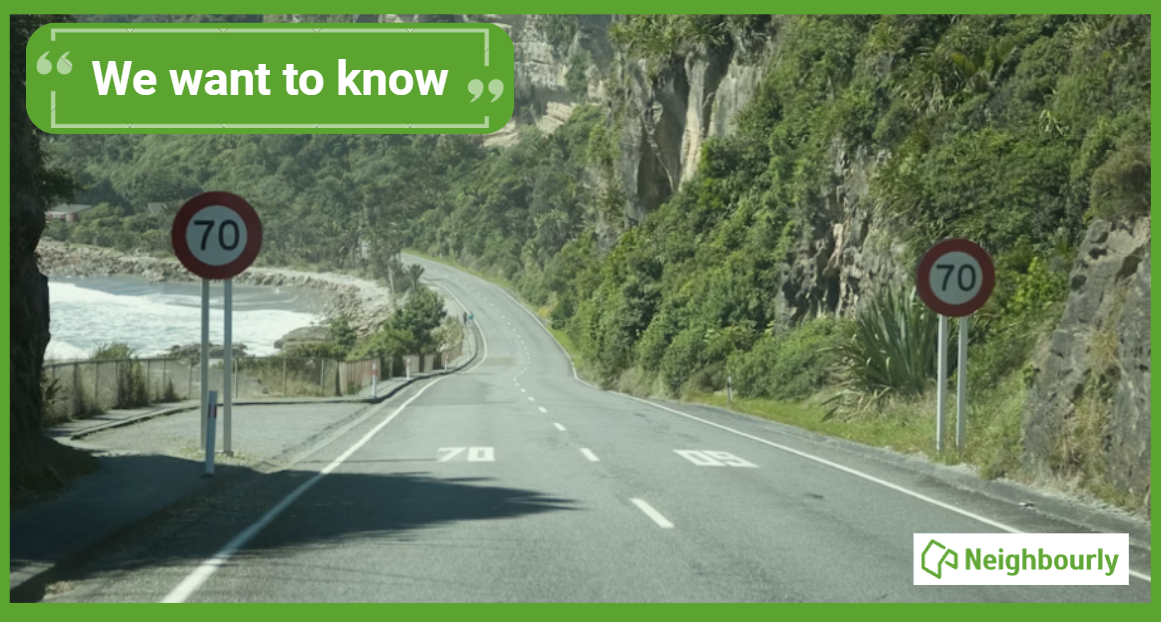
Poll: If we want to reduce speeding, what do you think actually changes driver behaviour? 🛻🚨🚓
In the Post's article on speeding penalties, the question is asked whether speeding fines are truly about road safety, or are they just a way to boost revenue for the Crown?
What do you think? Should speeding motorists receive speeding fines or demerit points?
-
37.2% The sting of a fine (Money talks!)
-
62.8% The threat of demerit points (Nobody wants to lose their license!)
 Loading…