




Carmen doco followed by paewhiri kōrero on gender identity
A Festival inspired by Wellington’s rich history of queer fairs and festivals. 2020 will mark the 34th Out in the Park, Wellington’s queer fair since 1986.
Date: Monday, 2 March, 2020
Time: 6:15pm to 8:15pm
Cost: Free
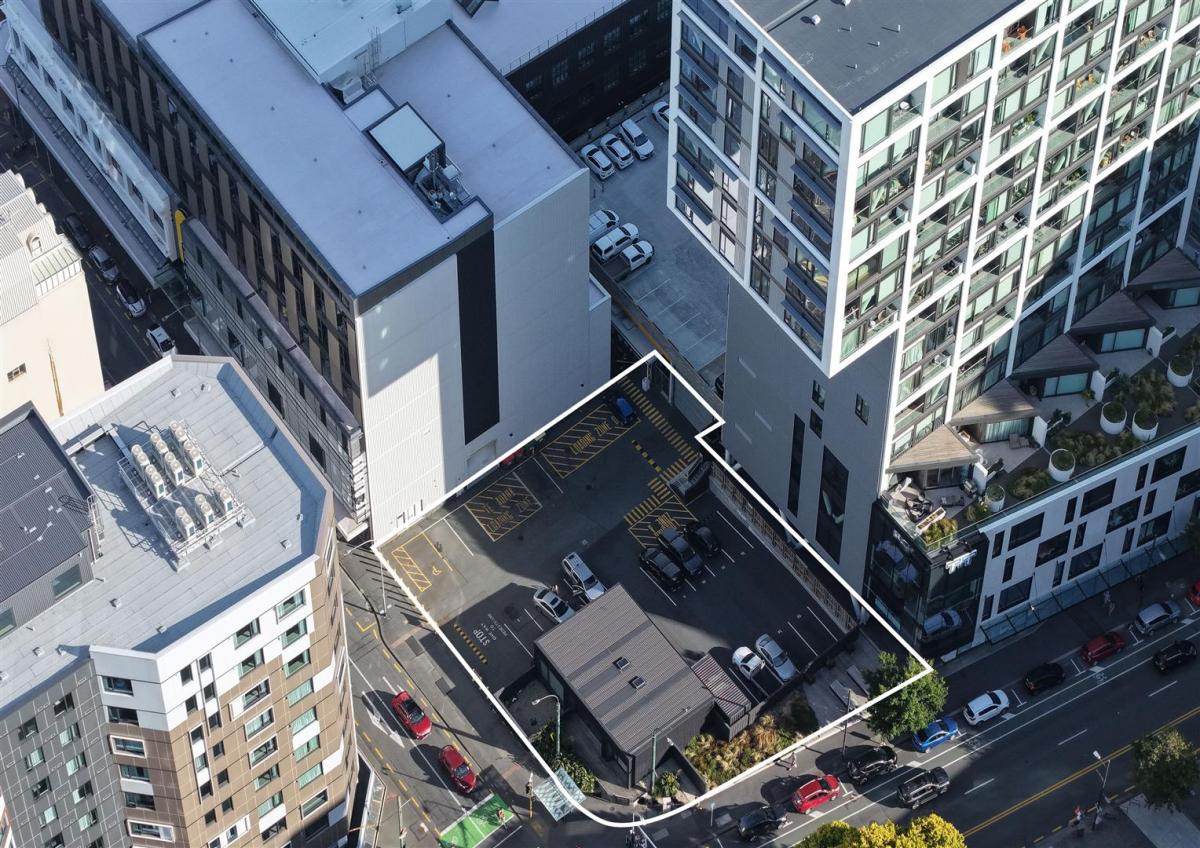
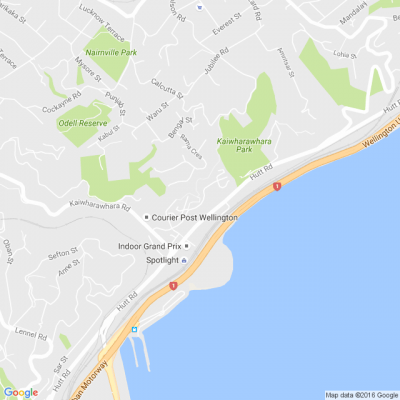
Location: Taiwhanga Kahau — Auditorium (lower ground floor), Corner Molesworth and Aitken Streets, Wellington. Entrance on Aitken Street.
Celebrate cultural icon Carmen Rupe
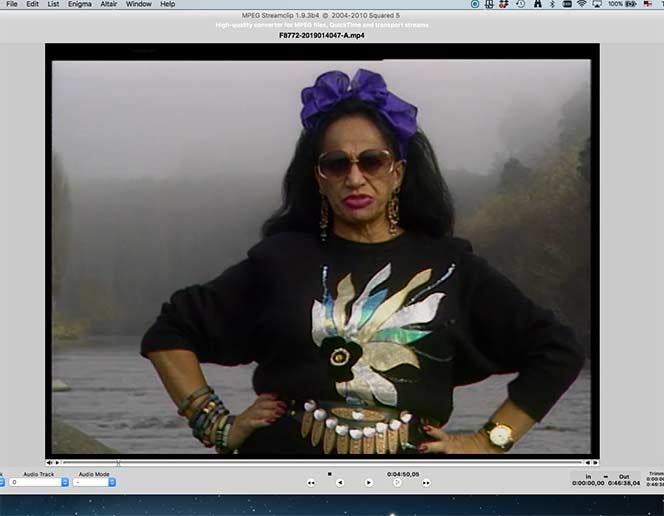
Celebrate cultural icon Carmen Rupe in 1989 documentary ‘Carmen’. Learn the story of a vivacious performer, businesswoman, brothel keeper, LGBT rights and HIV/AIDS activist.
‘Carmen: the documentary’ profiles one of New Zealand’s most flamboyant and well know trans identities and advocates. In a candid open discussion with Carmen she walks and talks us through her early days living in Taumarunui through to her heydays in the entertainment industry.
‘Carmen: the documentary’ was produced and directed by Geoff Steven. Screening by kind permission of Geoff Steven.
Dynamic discussion
Following the film, there will be a dynamic discussion from a panel featuring Taupuruariki Brightwell, Peri and Karen Te Wao Richard Tankersley, and Tuiloma Lina Samu on gender diversity, sexuality and identity.
This event is hosted in partnership with Te Puna Mātauranga The National Library as part of Wellington’s Pride Week events.
About the panel
Panel Facilitator: Gareth Seymore grew up in Tokoroa. After school he studied in Tāmaki Makaurau and Kirikiriroa and now lives in Te Whanganui-a-Tara. In four years at Ngā Taonga he has worked in a variety of roles supporting the contract with Te Māngai Pāho, and now holds the role of Pouwhakahaere, Kaupapa Māori.
Karen & Peri Te Wao say you know you’re getting old when you appear in an iconic photo collage owned by Chrissy Witoko, displayed in her Evergreen Coffee Lounge in Vivian Street, Wellington. Like Carmen, Chrissy supported many people from all walks. She also enjoyed capturing history of the rainbow community in her way and displayed them proudly to anyone who entered her business premises. In a way, that is also what we are about. We are kind people who celebrate our communities (Tapatoru and Tātou), in our way.
Taupuruariki (Ariki) Brightwell (Rongowhakaata, Ngati Maru, Te Whanau a Ruataupare, Te Arawa, Tuwharetoa, Ngati Toa, Ngati Raukawa. Nga motu o Tahiti) is an Takatapui Indigenous artist of Maori, Rarotonga and Tahitian descent. She devotes herself to art and storytelling, revolving around her history and tipuna. She is the 27th generation of an unbroken line of artists.
Tuiloma Lina-Jodi Vaine Samu (she/ her) is a Samoan woman born in Aotearoa New Zealand. She was born, raised, educated and lived in Ōtahūhū and Mangere, South Auckland. She is the fifth child of 6 children of the late Tuiloma Molipopo Samu nee Iusitini of Sapunaoa, Falealili & Pu’apu’a Savai’I, Samoa and Leatufale Lila Samu of Salelesi and Faleula, Upolu Samoa. Formerly employed at Te Kāhui Tika Tangata, the NZ Human Rights Commission based in Auckland, she has now moved to Whanganui-ā-Tara to work at the Ministry for Pacific Peoples as Principal Advisor for its newly established Pacific Languages Revitalisation Unit (putting to use her doctoral research).
Richard Tankersleyis currently Principal Maori Advisor at the Royal NZ College of General Practitioners. From 2008 to 2017 he held the position of Human Rights Commissioner where his areas of experience were sexual orientation, gender identify and sex characteristics. For over 20 years Richard was the Diversity and Inclusion Consultant Facilitator at Matariki Services Ltd.

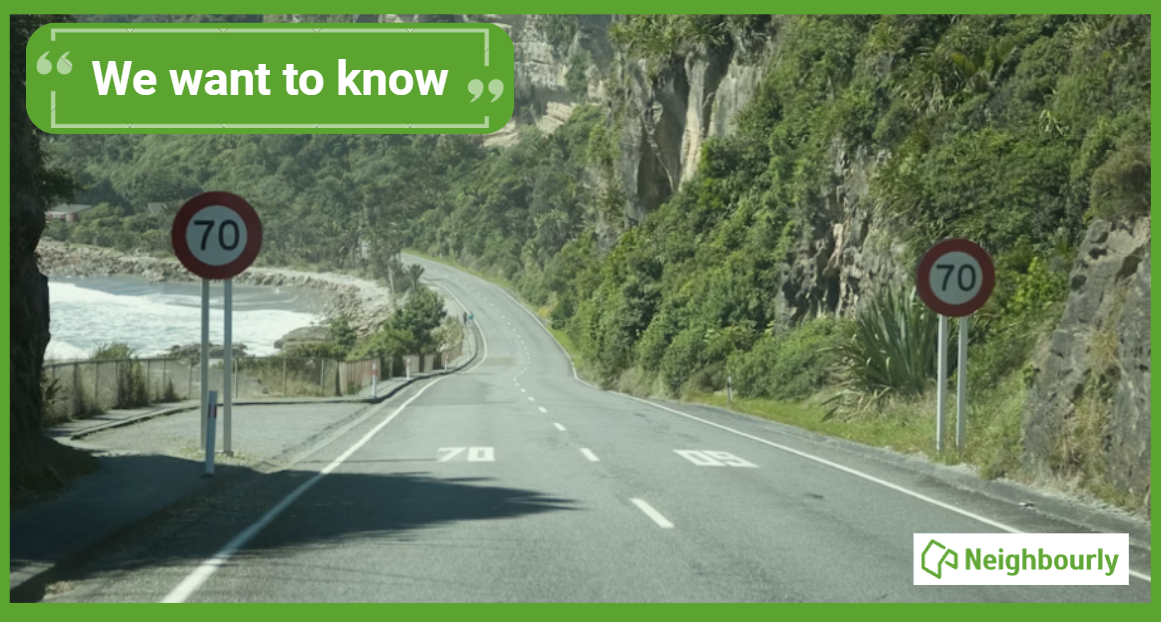
Poll: If we want to reduce speeding, what do you think actually changes driver behaviour? 🛻🚨🚓
In the Post's article on speeding penalties, the question is asked whether speeding fines are truly about road safety, or are they just a way to boost revenue for the Crown?
What do you think? Should speeding motorists receive speeding fines or demerit points?
-
36.6% The sting of a fine (Money talks!)
-
63.4% The threat of demerit points (Nobody wants to lose their license!)
Scam Alert: Bank cold calls
ASB is warning customers about reports of cold calls from scammers claiming to be from ASB. These scammers are trying to obtain personal information, including usernames, dates of birth, and verification codes sent to your mobile phone.
🛡️ The "Caller Check" Test
If you get a call from someone claiming to be from ASB and you’re unsure, just ask them for a Caller Check. You will then be able to verify the call through the app.
Remember, banks will:
❌ Never ask for your banking passwords, PINs, or verification codes
❌ Never need to know your full credit card number – especially the CVC
❌ Never ask you to download software or remotely access your device
❌ Never ask you to purchase gift cards or transfer funds.
If you have received a phone call and think your account has been compromised, call ASB on 0800 ASB FRAUD (0800 272 372), or visit your local branch.


Some Choice News!
DOC is rolling out a new tool to help figure out what to tackle first when it comes to protecting our threatened species and the things putting them at risk.
Why does this matter? As Nikki Macdonald from The Post points out, we’re a country with around 4,400 threatened species. With limited time and funding, conservation has always meant making tough calls about what gets attention first.
For the first time, DOC has put real numbers around what it would take to do everything needed to properly safeguard our unique natural environment. The new BioInvest tool shows the scale of the challenge: 310,177 actions across 28,007 sites.
Now that we can see the full picture, it brings the big question into focus: how much do we, as Kiwis, truly value protecting nature — and what are we prepared to invest to make it happen?
We hope this brings a smile!

 Loading…