





Breath of the Birds: the Revival of Taonga Puoro
The annual Lilburn Lectures are a collaboration between the Lilburn Trust and the National Library of New Zealand. This year’s Lilburn Lecture will be the seventh in this series of open public talks. Refreshments will be served following the Lecture.
Friday 1 November 2019
Time 6:00pm to 7:00pm
Cost Free. RSVP as places are limited. Keith.McEwing@dia.govt.nz
Venue Taiwhanga Kauhau — Auditorium (lower ground floor), Corner Molesworth and Aitken Streets, Wellington. Entrance on Aitken Street.
Esteemed New Zealand composer Dame Gillian Whitehead (Ngāi te Rangi) will speak of the origin of ngā taonga puoro, their revival, and how she has used these traditional Māori musical instruments in her work. The lecture will include a performance by NZSO principal flautist, Bridget Douglas and taonga puoro performer and researcher, Alistair Fraser.
About the speaker:
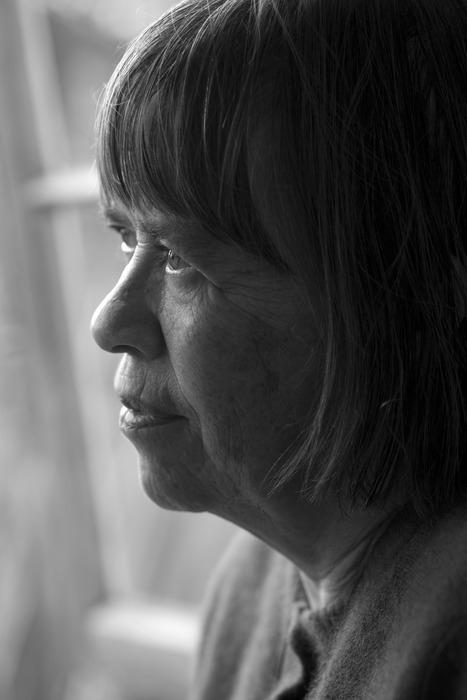
Dame Gillian Whitehead has written a wide range of music including works for solo, chamber, choral, orchestral and operatic forces, most of them direct commissions from performers and funding organisations. A number of her works have been recorded for commercial release, including a CD of her chamber works by Wai-te-ata Press and a recording of her opera, Outrageous Fortune. In 2000 she became one of the inaugural Artist Laureates of the NZ Arts Foundation. In 2008 she became a Distinguished Companion of the New Zealand Order of Merit, one of New Zealand’s highest
honours, and she was granted the title ‘Dame’ in 2009. 2018 saw Gillian receive an Arts Icon Award, recognising her enormous contribution to New Zealand’s cultural landscape. Overseen by the Arts Foundation, there are only 20 of these awards in circulation at any time, the recipient holding the award for life. A significant collection of Dame Gillian’s works is held in the Alexander Turnbull Library.
Image: Photographs of Gillian Whitehead. Ref: PADL-000849. Alexander Turnbull Library, Wellington, New Zealand. /records/32058367

🎉 Riddle me this, legends! 🎉
He/She who makes it, sells it.
He/She who buys it, doesn't use it.
The user doesn't know they are using it.
What is it?
(Shezz from Ngāruawāhia kindly provided this head-scratcher ... thanks, Shezz!)
Do you think you know the answer? Simply 'Like' this post if you know the answer and the big reveal will be posted in the comments at 2pm on the day!
Want to stop seeing these in your newsfeed?
Head here and hover on the Following button on the top right of the page (and it will show Unfollow) and then click it. If it is giving you the option to Follow, then you've successfully unfollowed the Riddles page.

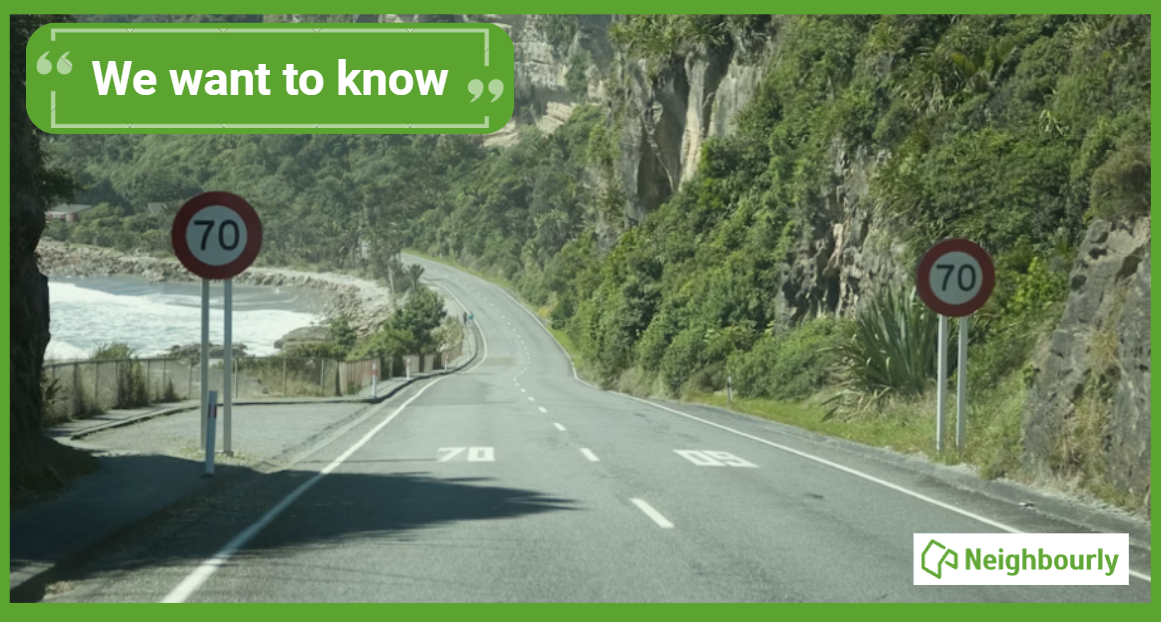
Poll: If we want to reduce speeding, what do you think actually changes driver behaviour? 🛻🚨🚓
In the Post's article on speeding penalties, the question is asked whether speeding fines are truly about road safety, or are they just a way to boost revenue for the Crown?
What do you think? Should speeding motorists receive speeding fines or demerit points?
-
37.2% The sting of a fine (Money talks!)
-
62.8% The threat of demerit points (Nobody wants to lose their license!)
Scam Alert: Bank cold calls
ASB is warning customers about reports of cold calls from scammers claiming to be from ASB. These scammers are trying to obtain personal information, including usernames, dates of birth, and verification codes sent to your mobile phone.
🛡️ The "Caller Check" Test
If you get a call from someone claiming to be from ASB and you’re unsure, just ask them for a Caller Check. You will then be able to verify the call through the app.
Remember, banks will:
❌ Never ask for your banking passwords, PINs, or verification codes
❌ Never need to know your full credit card number – especially the CVC
❌ Never ask you to download software or remotely access your device
❌ Never ask you to purchase gift cards or transfer funds.
If you have received a phone call and think your account has been compromised, call ASB on 0800 ASB FRAUD (0800 272 372), or visit your local branch.
 Loading…